Chaitra Navratri 2026 Commences with Devotion to Goddess Durga
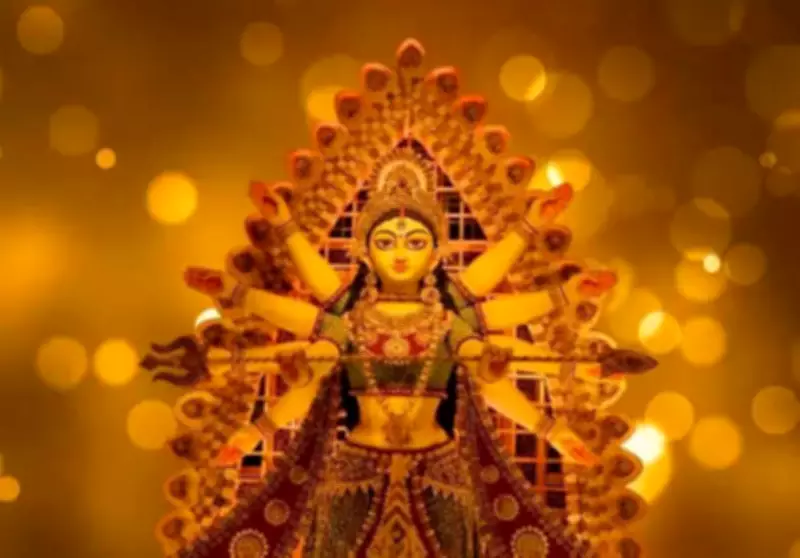
Navratri, one of the most prominent and revered Hindu festivals, is celebrated with immense devotion, purity, and spiritual fervor across India. This nine-day festival is dedicated to worshipping the divine feminine energy in the form of Goddess Durga, with each day honoring a specific manifestation of the deity. The primary purpose of Navratri is to honor and seek blessings from Goddess Durga, who symbolizes power, protection, and prosperity.
Navratri 2026: First Day Dedicated to Maa Shailputri
The first day of Navratri, known as Pratipada of Shukla Paksha in the month of Chaitra, is dedicated to worshipping Maa Shailputri, the first form of Maa Durga. This year, Chaitra Navratri begins on March 19, 2026. Devotees initiate the festival by performing Kalash Sthapana or Ghatasthapana, a ritual to invoke the goddess's presence and blessings.
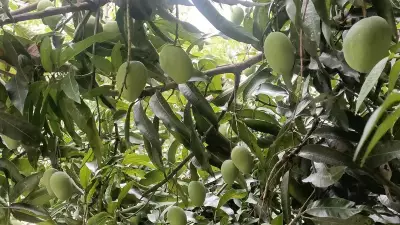
On this auspicious day, followers clean their puja areas meticulously and place an idol of Goddess Durga. A kalash (sacred pot) is positioned in front of the idol, adorned with mango leaves and a coconut wrapped in red sacred thread. After completing the setup, devotees worship Goddess Shailputri by reciting mantras, decorating their homes with flowers and diyas (oil lamps), and offering prayers with deep reverence.

Significance of Maa Shailputri in Navratri 2026
Maa Shailputri, the daughter of Maina and Himalaya, is depicted as riding a Nandi bull, holding a flower in her left hand and a trident in her right. She embodies the combined divine powers of Lord Brahma, Lord Vishnu, and Lord Shiva, making her a potent symbol of creation, preservation, and destruction.
Astrologically, Maa Shailputri rules the Moon planet, and she is believed to bless those affected by lunar influences or suffering from mental health issues. Worshipping her is said to bring emotional balance, mental clarity, and spiritual upliftment, aligning devotees with cosmic energies for holistic well-being.
The Story and Mythology Behind Maa Shailputri
In a previous incarnation, Maa Shailputri was Sati, the daughter of King Daksha. Despite her father's adamant opposition to Lord Shiva, Goddess Sati married him, showcasing her unwavering devotion. King Daksha once organized a grand yajna (sacrificial ritual), inviting everyone except Lord Shiva. Goddess Sati, eager to attend, questioned Lord Shiva, who advised against going uninvited, warning it would bring misfortune.
Defying his advice, Goddess Sati visited the yajna, where King Daksha openly insulted Lord Shiva. Overwhelmed by anger and remorse, she surrendered herself to the flames, departing from her body. She later reincarnated as the daughter of the Himalayas, Maa Shailputri, to reunite with Lord Shiva, symbolizing resilience, sacrifice, and eternal love.
Navratri 2026: Detailed Puja Rituals and Practices
Devotees follow a structured set of rituals to honor Maa Shailputri and seek her blessings during Navratri. These practices combine physical purification, spiritual dedication, and symbolic offerings.

- Morning Preparations: Upon waking, take a holy bath to purify the body and mind. Clean the house thoroughly, especially the area designated for the puja altar over the next nine days.
- Puja Setup: Dress elegantly and neatly before commencing the rites. Gather all essential puja samagri (materials), including flowers, fruits, kumkum or vermillion, paan, supari, elaichi, coconut, incense sticks, Gangajal, earthen diya, desi cow ghee, and shringaar items for decoration.
- Idol and Kalash Placement: Place an idol of Goddess Durga on a wooden plank and sprinkle it with Gangajal. Decorate the idol with garlands and shringar objects, then offer kumkum, light a diya with desi ghee, and serve paan with seasonal fruits like supari, laung, and elaichi.
- Ghatasthapana Ritual: Arrange a coconut on top of a kalash decorated with crimson Kalawa (sacred thread) and mango leaves. Fill an earthen pot with soil, add grain seeds (Jawar), cover with another layer of soil, place a plate on top, and add water to symbolize growth and prosperity.
- Mantra Recitation and Aarti: Recite Durga Mata Mantras to invoke the goddess's presence. Offer lotus and hibiscus flowers to Goddess Shailputri while chanting Durga Saptashati Paath. Conclude with Maa Durga's aarti before breaking the fast.
- Fasting and Food: Devotees often break their fast with traditional dishes like fried potatoes, sabudana tikki, and sama kheer. Some opt for fruits only, believed to purify the body, mind, and spirit, enhancing spiritual focus during the festival.
Maa Shailaputri Mantras for Spiritual Connection
Chanting specific mantras is integral to worshipping Maa Shailputri, fostering a deeper spiritual connection and invoking her blessings.
- Primary Mantra: "Om Devi Shailaputryai Namah" – a simple yet powerful invocation offering obeisance to the goddess.
- Detailed Mantra: "Vande Vanchhitalabhaya Chandrardhakritashekharam. Vrisharudham Shuladharam Shailaputrim Yashasvinim." This translates to: "I pay my obeisance to Devi Shailaputri, who bestows wish fulfilment. The Goddess with a crescent moon on her forehead, mounted on a bullock, and renowned as Yashasvini."
These mantras, recited with devotion, are believed to attract divine grace, fulfill desires, and provide protection, making Navratri a transformative period for spiritual growth and community harmony.