Understanding Nirjala Ekadashi: A Day of Spiritual Power
Hindu festivals beautifully blend mythology, culture, and ancient beliefs. Ekadashi stands out as a traditional day observed with deep devotion and abstinence. This sacred occasion honors the almighty and carries profound spiritual meaning.
What Makes Ekadashi Special?
Today marks Nirjala Ekadashi, one of the most spiritually powerful vrats according to the Hindu calendar. Ekadashi occurs on the eleventh lunar day of Shukla Paksha during Jyeshtha month, which typically falls between May and June. The word 'Nirjala' literally means without water, and this vrat involves complete fasting from both food and water for twenty-four hours.
Some cultures also observe a proper Maun vrat alongside the fasting. Among the twenty-four Ekadashis that occur throughout the year, Nirjala Ekadashi is widely considered the toughest. But why do millions observe this challenging fast?

The Spiritual Significance of Ekadashi
According to Hindu mythology and beliefs, Ekadashi is observed to worship and honor Lord Vishnu, the protector and sustainer of the universe. Hindu scriptures state that fasting on Ekadashi helps cleanse sins, purify the mind and body, and bring spiritual upliftment.
Each Ekadashi carries its own significance, yet all these vrats share common goals. They aim to improve self-control, deepen devotion, and practice detachment from worldly pleasures. The Padma Purana and other Vedic scriptures suggest that observing Ekadashi vrat helps neutralize past karma, control the senses, and lead to spiritual awakening.
These fasts connect with lunar cycles that affect human physiology. Therefore, fasting on this day offers not only spiritual benefits but also health advantages.
Why Nirjala Ekadashi Stands Apart
Unlike other Ekadashis where devotees may consume fruits, milk, or water, Nirjala Ekadashi demands strict austerity. Participants abstain completely from food and water for a full day. A popular belief holds that those unable to observe all twenty-four Ekadashis in a year can gain the benefits of all by observing just this one.
Legend tells us about Bhima, the mighty Pandava brother from the Mahabharata. He found it difficult to fast twice monthly. Sage Vyasa advised him to observe just one Nirjala Ekadashi with full devotion and strictness. This would grant him the spiritual merit of all other Ekadashis combined.
Nirjala Ekadashi remains one of the most powerful and sacred Ekadashis. This day is considered extremely auspicious for worshipping Lord Vishnu. In 2025, Nirjala Ekadashi falls on June 6. Devotees believe that observing Nirjala Vrat on this day brings the benefit of all twenty-four Ekadashis that occur throughout the year.
Foods to Avoid During Ekadashi Fasting
Ekadashi fasting comes with clear dietary restrictions. The practice promotes sattvic living, minimizes indulgence, and enhances self-discipline. Here are key foods that must be strictly avoided:
- Grains and cereals: Rice, wheat, lentils, barley, and any grain-based foods including roti, bread, and pasta are strictly avoided. These are considered tamasic, leading to lethargy and dullness, and believed to interfere with spiritual energy on Ekadashi.
- Beans and pulses: Legumes such as moong, chana, rajma, and urad dal are also forbidden. They are said to be harder to digest and considered impure for this sacred day.
- Onions and garlic: Onions and garlic, which fall under tamasic and rajasic food categories, are restricted as they are believed to increase agitation and impure thoughts.
- Spices: Common additives like hing, baking soda, and certain preservatives are avoided because they are often processed with grains.
Why Avoid Rice on Ekadashi?
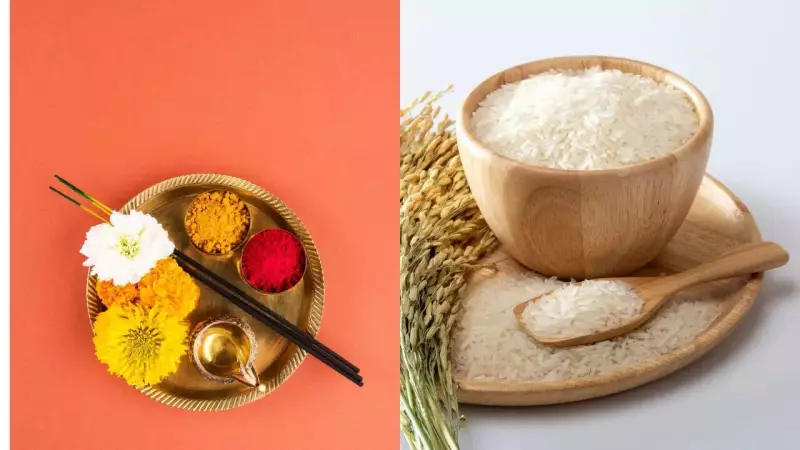
The abstinence from rice on Ekadashi has both spiritual and mythological roots. A popular belief from the Bhavishya Purana suggests that rice grains consumed on Ekadashi transform into worms in the body, attracting negative karma.

It is believed that the presiding deity of grain, Lord Vishnu himself, rests on Ekadashi. Therefore, consuming grains on this sacred day is considered disrespectful. Ayurveda supports this practice by noting that such foods make the body feel heavier. Avoiding them keeps the body light and energized during fasting days.
Heavy and processed foods are not recommended during this fast. Grains like rice increase inertia or 'tamas'. Avoiding certain foods ensures the body stays lighter and the mind clearer. This state is ideal for spiritual practices such as meditation, chanting, and prayer.
Permitted Foods During Ekadashi
Nirjala Ekadashi calls for strict rules. However, those unable to do Nirjala fasting due to health reasons—such as elderly people, children, pregnant women, or those on medications—may follow a simple Ekadashi diet while excluding prohibited foods.
- Fruits: Fresh fruits like bananas, apples, papayas, mangoes, and pomegranates are permitted. They provide energy and hydration without violating Ekadashi principles.
- Root vegetables: Vegetables like potatoes, sweet potatoes, and arbi can be consumed, often cooked without turmeric or red chili powder. Use of rock salt is preferred over iodized salt.
- Milk and dairy: Milk, curd, paneer, and buttermilk are allowed and commonly consumed during partial fasting. These foods provide nourishment and support physical endurance.
- Nuts and dried fruits: Almonds, cashews, dates, raisins, and coconut can be eaten in moderation. They are energy-dense and keep you feeling full for longer hours.
- Sabudana and Kuttu: Sabudana and kuttu are commonly used to make Ekadashi-special dishes like sabudana khichdi, kuttu paratha, or pakoras.
Ekadashi remains a profound practice that connects devotees with their spiritual roots while promoting physical well-being. The observance of Nirjala Ekadashi, especially, demonstrates remarkable devotion and discipline within Hindu traditions.