An ornamental shrub cannot serve only one purpose. It needs to not only brighten up a garden through its bloom season but also continue to be an eye-catcher afterwards. This is especially important in July, as at this time a lot of spring flowers will already be spent, and the heat will reveal some shortcomings in the garden design.
Why Ornamental Shrubs Are Important for Summer Gardens
Professional gardeners suggest using ornamental shrubs as backbone plants. They are meant to form the framework of the garden bed while complementing the surrounding plants. The University of Maryland Extension advises selecting shrubs that provide interest throughout several seasons, not only through their blooms. A good front yard composition always requires repetition, balance, and, above all, a couple of trusty shrubs rather than too many different plants.
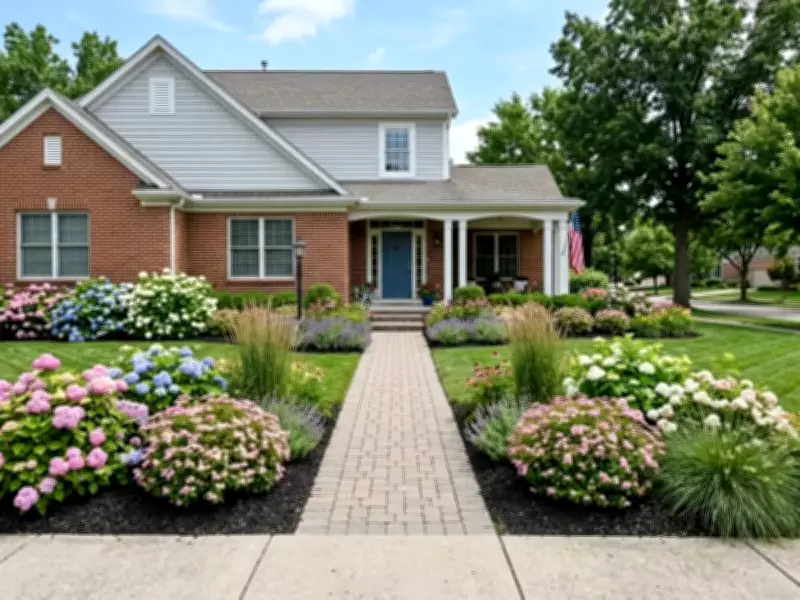
During the summer, garden compositions often tend to look monotonous and dull as early blooming flowers die. Ornamental shrubs solve this problem by adding structure to the garden even after blooming. Some provide beautiful leaf colors, whereas others form a rounded shape that visually unites other plants. Horticulturists state that shrubs help create essential structures in your garden while offering interesting seasons year-round. Plants like these also help avoid making flower beds look like seasonal decorations. Designers tend to plant flowering shrubs at entries, along paths, or in corners where they serve to hold down the entire composition.

Hydrangeas Keep Beds Full Through the Summer
The popularity of hydrangeas as summer shrubs is also determined by the fact that they offer weeks of flowering followed by lush foliage. Many new cultivars tend to stay more compact and are suitable for small yards in front of houses. Moreover, panicle hydrangeas thrive in sunlit areas and look good late into summer when their fading blossoms become an additional texture. Planting hydrangeas repeatedly makes flower beds more cohesive compared to planting different kinds of shrubs.
Spirea Fills Beds with Color Without Overcrowding the Yard
This plant is great in front gardens due to its ability to stay compact and bloom profusely throughout the season in pink or white colors. Most varieties retain nice-looking foliage after their flowering period. Because of this, gardeners make frequent use of it for creating sharp edges and regular shapes around walkways.
Flowers, Berries, and Autumn Colors in the Red Chokeberry
Rather than depending on its blooming ability in springtime, red chokeberry can give homeowners several periods of interest during one year. White flowers appear in spring, glossy green leaves grow in summer, bright fruits show up next, and finally, vivid red autumn coloring. The University of Maryland Extension calls it a reliable native shrub for landscaping. Its vertical growth habit contributes to keeping the beds neat but not formal-looking in the yard.
Sweet Pepperbush for Shaded Sites
Sweet pepperbush, also known as clethra, is an excellent choice for part shade conditions when many flowering shrubs fail to grow successfully there. Summer blossoms that attract pollinators emit a pleasant fragrance while still having dense foliage. As stated by the University of Maryland Extension, sweet pepperbush has good fragrance and adaptation abilities. This shrub is ideal for companion planting with grasses and perennials.
Viburnum Is a Structurally Reliable Shrub
Many viburnums are preferred for their combination of flowers and reliable structural presence. A majority of species bear white clusters of blooms in spring, followed by berries and leaves that retain density through the summer months. Some smaller viburnums can even be used for foundation planting without obstructing windows and walkways.
Potentilla Blooms in Hot Weather
Potentilla is useful when planting in sunny areas of the front yard because of its ability to bloom reliably during warmer periods. This bush maintains a compact size and is thus good for growing beside sidewalks or borders where large shrubs would not suit. The finer leaf texture also contrasts well with evergreens.

Ninebark Brings Foliage Diversity
The ninebark shrub offers visual appeal in another way. Even though this shrub blooms during late spring, it is often used more for its foliage and bark. Dark-leafed cultivars contrast against light-colored flowers and grasses. Ninebark retains structure after flowering, helping maintain balance throughout late summer.
Gardenias for Added Perfume and Evergreen Character
In warm climates, gardenias continue to be favorite flowering shrubs due to their combination of lustrous evergreen leaves and aromatic white blooms. The evergreen foliage provides weight in front yards long after flowering has finished. It is advisable to repeat gardenias or other flowering shrubs instead of using them as single specimens.
Avoid Clutter in Your Planting Design
According to landscaping experts, a mistake that people frequently make when designing front yards is planting too many flowering shrubs in a limited space. By sticking to two or three reliable flowering shrubs, a better-balanced and tidier design is created. Flowering shrubs should always be combined with perennials and ornamental grasses so that your landscape does not become cluttered. It is not necessary to create a continuous bloom in every part of your front yard.