Panchang Today: Your Daily Guide to Spiritual Timing and Mindful Living
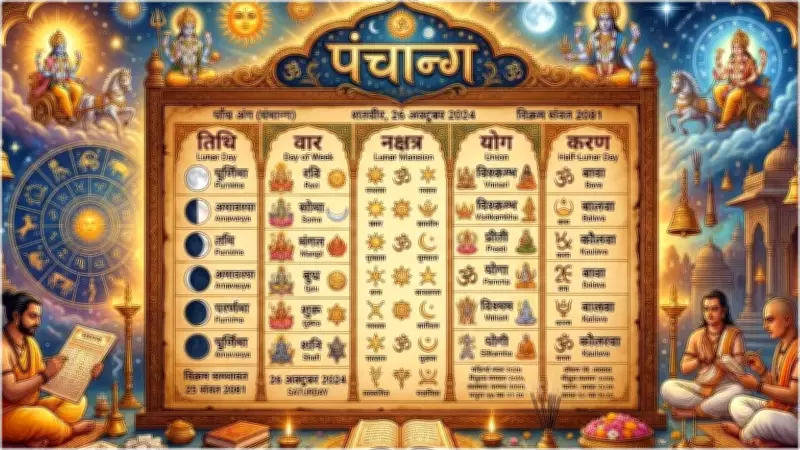
The Panchang serves as a steadfast daily compass, rooted in the profound wisdom of the Hindu calendar. It offers precise planning by integrating the Moon's phases, tithi (lunar day), and nakshatra (constellation), influencing everything from workplace focus to domestic harmony. This Thursday, March 19, 2026, carries the serene depth of Amavasya, a day for reflection and renewal rather than hasty action.
Key Panchang Details for March 19, 2026
This day unfolds with Krishan Paksh 15, known as Amavasya or the dark Moon day, lasting until 06:53:04. Following this, the lunar cycle transitions into Shukla Paksh 1 (Pratipada), marking a fresh beginning. Amavasya is not about productivity but clarity—a time when the Moon's quietude invites introspection, emotional privacy, and closure. Think of it as soil resting before new sowing, ideal for forgiveness and completing lingering tasks.
The nakshatra shifts from U.Bhadrapada, ending at 04:04:53, to Revati. U.Bhadrapada fosters spiritual seriousness and protection, supporting patient research and reflective decision-making. Revati brings nourishment and gentle energy, conducive to safe travel and supportive actions. The Moon resides in Pisces at 3.45 degrees, enhancing sensitivity and imagination, making compassion favorable over stubborn debates.

Yoga transitions from Shukla, ending at 01:17:00, to Brahma, promoting clarity and orderly thinking. Karan phases include Naga (intense and private), Kintughna (cutting unnecessary elements), and Bava (steady and practical), encouraging pruning and sensible rebuilding.
Auspicious Timings (Shubh Muhurat) for Optimal Actions
Leverage these periods for enhanced outcomes:
- Brahma Muhurta (04:28:12 to 05:15:48): Ideal for prayer and setting intentions during the quiet pre-dawn hours.
- Pratah Sandhya (04:52:00 to 06:03:24): A spiritual bridge into sunrise, perfect for short rituals or silent reflection.
- Abhijit Muhurta (11:41:44 to 12:30:04): A lucky mid-day window for important work, such as filing applications or serious conversations.
- Vijay Muhurta (14:06:44 to 14:55:04): Supports overcoming obstacles in negotiations or target-driven tasks.
- Godhuli Muhurta (18:08:33 to 18:32:21) and Sayahana Sandhya (18:08:33 to 19:19:57): Dusk periods for lighting diyas and resetting home moods.
- Nishita Muhurta (23:41:45 to 00:29:21) and Amrit Kalam (23:31:52 to 01:02:44): Late hours suited for deep chanting or journaling.
Choghadiya slots further aid planning, with day auspicious times like Shubh at 06:04 and night periods such as Amrit at 18:08 for calmer progress.
Inauspicious Timings to Avoid for Risk Mitigation
Exercise caution during these sensitive periods:
- Rahu Kaal (13:37 to 15:07): Avoid new ventures, contracts, or financial decisions; use for routine tasks or meditation.
- Yamaganda (06:03:24 to 07:34:02): Prone to delays; steer clear of first meetings or launches.
- Gulika Kaal (09:04:41 to 10:35:19): Refrain from risky choices or last-minute commitments.
- Varjyam (14:29:50 to 16:01:23): Known for mental friction; avoid impulsive spending or investments.
- Dur Muhurtam (10:05:04 to 10:53:04 and 14:55:04 to 15:43:04): Minimize confrontational discussions, especially with elders.
Choghadiya inauspicious periods include Rog at 07:34 and Kaal at 15:07 during the day, best used for rest rather than major decisions.
Rahu Kaal Timings Across Major Indian Cities
Rahu Kaal varies by location due to local sunrise differences. Plan accordingly with this city-specific guide:

- Mumbai: 14:17 - 15:48
- Delhi (NCR): 14:00 - 15:30
- Bengaluru: 13:58 - 15:29
- Hyderabad: 13:55 - 15:25
- Chennai: 13:47 - 15:18
- Kolkata: 13:15 - 14:46
- Ahmedabad: 14:18 - 15:49
- Pune: 14:13 - 15:44
Sunrise, Sunset, Moonrise, and Moonset Insights
Sunrise at 06:04:27 offers a gentle promise for quiet effort, while sunset at 18:08:43 marks a spiritually active transition. Moonrise is not available, but the Moon's influence is felt inwardly through Amavasya. Moonset at 18:32:35 may leave you thoughtful; keep conversations kind and dinners light to maintain evening tranquility.
Vrat and Festival Guidance for Amavasya
Today observes Amavasya / Pitru Tarpan, a monthly vrat for ancestor remembrance. In the Amanta month, it falls in Chaitra, and in Purnimanta, it is Vaishakha. This practice involves offering water, speaking ancestors' names, and performing daan (charity) to soften family patterns and invite steadiness.
Practical Recommendations:
- In relationships, use softer words and avoid arguments due to heightened sensitivity from Pisces Moon.
- At work, focus on behind-the-scenes progress, organizing notes, and scheduling meetings during auspicious muhurats.
- Spiritually, engage in simple acts like prayer during Brahma Muhurta or lighting a diya at dusk.
- Avoid financial commitments during Rahu Kaal to end the day with lightness.
By aligning with the Panchang's rhythms, you can navigate March 19, 2026, with mindfulness and cultural connection, turning Amavasya's quiet energy into a foundation for future growth.