The much-anticipated development of 'Patna Haat,' a cultural and commercial hub announced by Chief Minister Nitish Kumar, has hit a significant roadblock. The project, envisioned to be built on the lines of Delhi Haat, remains stalled because the proposed site near Gandhi Maidan has not been vacated by the Patna police.
Administrative Hurdles Delay Construction
Despite the state cabinet approving a substantial budget of over Rs 48 crore for the project in 2025, and the completion of both a detailed project report and the bidding process, physical work cannot begin. The designated location, west of the Sabhyata Dwar, is currently occupied by an old office building of the Patna police. District Magistrate Thiyagrajan S M has confirmed that authorities are actively searching for an alternative building to relocate the police office. He expressed optimism, stating, "We hope to vacate the premises within 15 days."
Vision for a Cultural Epicenter
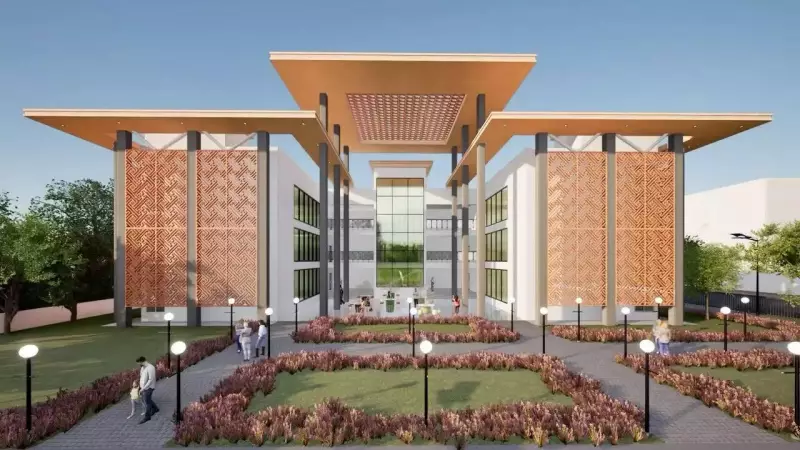
Once the site is cleared, the existing police building will be demolished to make way for a modern, three-storey 'Haar' structure. The nodal agency for the project, the Bihar State Tourism Development Corporation Limited, has already formally requested the Patna DM and Senior Superintendent of Police Kartikey K Sharma to facilitate the vacation of the old building. A senior official from the corporation indicated that action is in its final stages and the handover is expected soon.

The planned emporium, inspired by the Mithila Haat in Madhubani, is designed to be a comprehensive facility. Key features include:
- An underground parking facility along with surface parking space.
- Two restaurants to cater to visitors.
- A dedicated gaming zone for children.
- A solar power generation system for sustainability.
Showcasing Bihar's Rich Artisanal Heritage
The core mission of Patna Haat is to serve as a vibrant platform for the state's traditional arts and crafts. It aims to celebrate the rich heritage of ancient Magadh by providing a dedicated space for artisans. The Haat will feature a diverse range of art forms, including the world-renowned Madhubani painting, the intricate Manjusa painting from Bhagalpur, and the delicate Tikuli painting from Patna itself. Furthermore, it will showcase the Sujani craft from Muzaffarpur and the distinctive Sikki craft from north Bihar, which utilizes a special type of grass called Sikki.
The delay, while administrative, underscores the challenges in executing urban development projects. The successful relocation of the police office is now the critical next step to transform this vision for promoting Bihar's cultural economy into a tangible reality for residents and tourists alike.