In a significant address that highlighted the evolving landscape of Indian cultural expressions, the Vice Chancellor of Kalamandalam University emphasized the remarkable transformation of performing arts to ensure their survival in modern times.
Convocation Address Reveals Artistic Adaptation
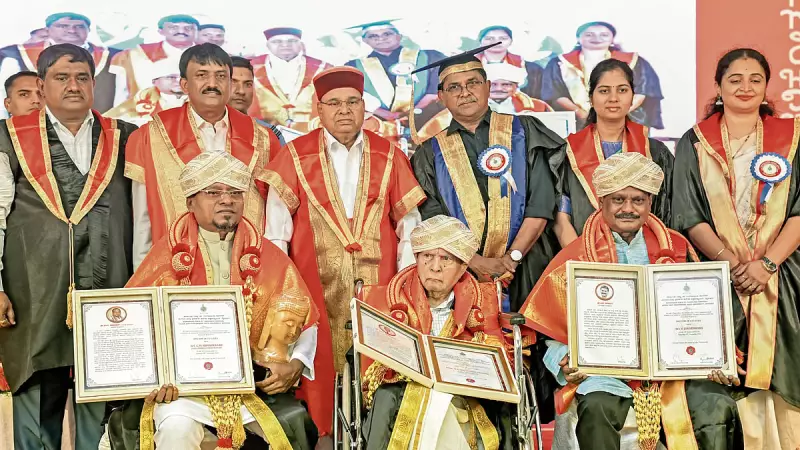
During the 10th annual convocation of Karnataka State Gangubhai Hanagal Music and Performing Arts University held in Mysuru, distinguished speaker Ananthakrishnan delivered powerful insights about the changing face of traditional arts. The event, which took place on November 9, 2025, brought together students, faculty, and arts enthusiasts to celebrate academic achievements and discuss the future of cultural preservation.
Technology's Impact on Cultural Expressions
Ananthakrishnan articulated how external forces have reshaped artistic practices. 'The changes in the fields of science, technology, and governance systems over the years changed our lives beyond our imagination,' he stated during his convocation address. This transformation, while challenging traditional methods, has opened new avenues for artistic expression and dissemination.

The Vice Chancellor's remarks underscored a crucial reality for India's rich cultural heritage. Rather than resisting change, performing arts have demonstrated remarkable resilience by embracing new technologies and adapting to contemporary societal structures. This evolutionary process has enabled traditional art forms to reach wider audiences while maintaining their cultural significance.
Future of Performing Arts in Digital Age
The convocation ceremony served as both a celebration of academic accomplishment and a platform for discussing strategic directions for arts education. As digital platforms become increasingly dominant in cultural consumption, educational institutions like KSGHMPA University play a vital role in preparing the next generation of artists.
The address highlighted several key areas where transformation has been most evident:
- Integration of digital tools in artistic training and performance
- New methods of preserving and archiving traditional art forms
- Evolution of audience engagement through technology
- Adaptation of traditional performances for contemporary contexts
This perspective from a leading authority in arts education provides hope for the sustained relevance of India's performing arts tradition. By acknowledging and embracing change, the cultural sector can ensure that ancient art forms continue to thrive in the modern world.