Why Food is Used for Welcoming Guests
Hospitality and welcoming guests is a ritual that reflects a lot about a country's cultural diversity. The recent visit of Indian Prime Minister Narendra Modi to Bratislava on a State visit showcased a very interesting hospitality ritual you need to learn about. Scroll down to read the details.
How Was PM Modi Welcomed?
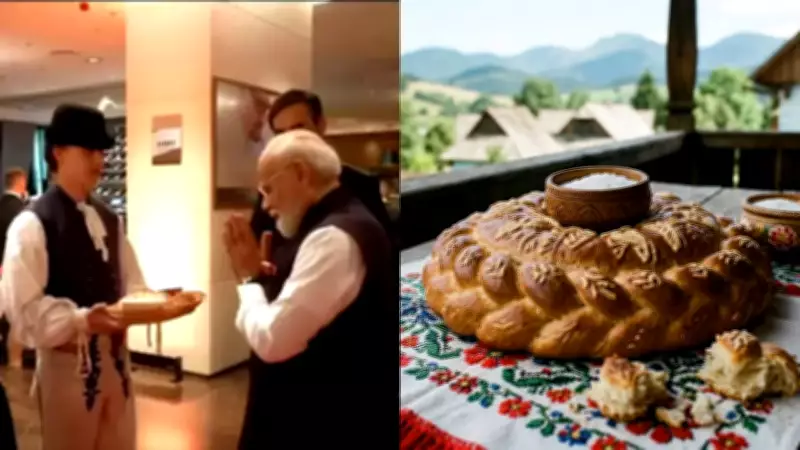
According to reports, PM Modi became the first-ever Indian Prime Minister to visit Slovakia since the nation gained independence in 1993. Upon stepping off the aircraft, PM Modi was received by Slovak Foreign and European Affairs Minister Juraj Blanár and accorded a symbolic, traditional Slovak greeting: the offering of bread and salt.
What Does the Bread-and-Salt Welcome Mean?
According to experts, in Slovak and broader Slavic cultures, greeting an honoured guest with a loaf of freshly baked bread and a small dish of salt is the highest expression of hospitality, respect, and goodwill. It is a tradition where bread represents prosperity, sustenance, and the sharing of the blessings of the earth, and salt symbolises lasting value, enduring friendship, and protection. The reception included a colorful cultural showcase. The Kopaniciarik children’s folk ensemble from the Myjava region, dressed in vibrant, traditional Slovak attire, performed a lively folk dance to welcome the Indian leader.

What's More?
According to a social media post, as Prime Minister Modi reached his hotel, a massive crowd from the Indian diaspora had gathered, waving tricolours and chanting “Modi, Modi” and Vande Mataram echoed in Bratislava.
4 Other Welcome Traditions Where Food is Used
Date and Arabic Coffee
In many countries across the Middle East, guests are traditionally welcomed with dates and Arabic coffee (gahwa). According to legends, dates symbolize generosity and abundance, while the lightly spiced coffee is served as a gesture of hospitality and respect.
Aloha Welcome with Poi
According to historians, in traditional Hawaiian culture, food often plays a role in welcoming visitors. One iconic food associated with hospitality is Poi, a dish made from taro root. Sharing poi at communal gatherings symbolized friendship, unity, and the spirit of aloha. Also, offering food to visitors is believed to demonstrate a family's generosity and commitment to caring for guests.
Milk Tea Welcome Ceremony
According to experts, in Mongolia and the Tibetan plateau, guests are often greeted with butter tea or milk tea. Offering a bowl of tea immediately upon a guest's arrival, and accepting it is considered a sign of respect. The custom reflects centuries of nomadic culture, where hospitality could be crucial for survival.
Kalach Bread Welcome
It is said that in Ukraine and Russia, guests are traditionally welcomed with a ceremonial bread called kalach, often accompanied by salt. The tradition is very similar to Slovakia's bread-and-salt custom; the ritual symbolizes prosperity, friendship, and the host's wish that the visitor never experiences hunger.