Pune Reinvents Itself as a Dynamic Literary Destination
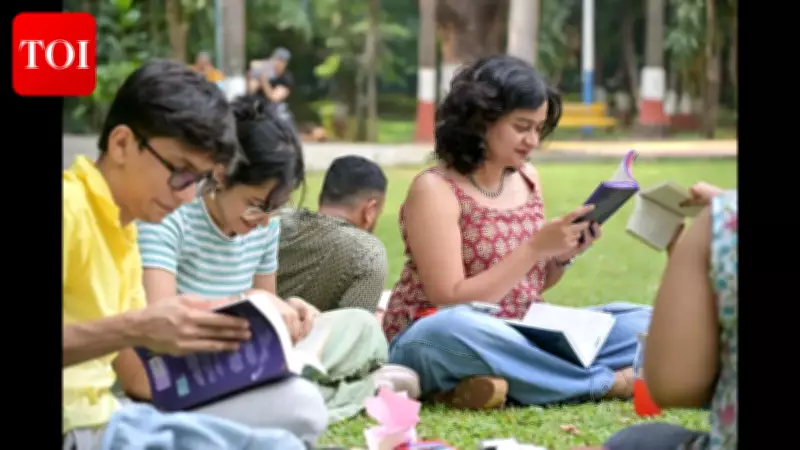
Pune is dramatically rewriting its reputation as a premier city for book enthusiasts. This World Book Day, the act of reading is no longer confined to hushed libraries or quiet café corners. Instead, the entire city is evolving into a sprawling, open-air reading room where narratives unfold seamlessly amid the bustling rhythm of daily urban life.
The Rise of Public Reading Sessions
Across Pune, innovative reading communities are transforming familiar public locations into vibrant literary zones. At iconic spots like Mahatma Phule Mandai and the expansive, leafy Kamala Nehru Park, readers are gathering not merely to read in isolation but to share meaningful experiences collectively. These are not traditional book clubs bound by strict silence or rigid structure. They are dynamic, participatory spaces that feature engaging storytelling sessions, heartfelt poetry recitals, and inclusive collective reading circles.
At the core of this burgeoning movement is a powerful emphasis on accessibility and community. Sonal Dharmadhikari, curator of Pune Reads, emphasizes, "We are a community, not a club. There is no registration, no fees. You can come and read for ten minutes or three hours. It's entirely up to you." The format is intentionally unstructured, allowing participants to bring their own books, read at their preferred pace, and engage organically with fellow readers. The appeal lies in its beautiful simplicity—reading without pressure, yet surrounded by the comforting presence of like-minded individuals.

The Psychological and Social Draw of Collective Reading
For many participants, these sessions offer more than just literary engagement; they provide a profound sense of connection. Kashvi Ruparelia, a student and avid reader, explains, "The reading sessions are about rhythm. There's this concept of body doubling, when someone else is doing the same thing as you, and you feel deeply connected. The draw is as much about human connection as it is about the books themselves." This sentiment highlights how these gatherings foster social bonds alongside intellectual stimulation.
Moreover, in an era dominated by digital distractions, these communities champion a return to tangible, imaginative engagement. Swarda Kadam, from East Pune Reads at Joggers Park in Kalyaninagar, notes, "It has become extremely important to replace the smartphone with a book in your hands. When you dive into a book's story, you create your own world that is open to interpretations. It fosters genuine imagination instead of being spoon-fed everything via videos on social media." This perspective underscores a growing desire for mindful, creative escapes from screen-based consumption.
A National Network of Literary Communities
Pune's model is part of a significant, expanding national movement. From Cubbon Reads in Bengaluru to Lodhi Reads in Delhi, and from Bandra Reads and Juhu Reads in Mumbai to Hyderabad Reads and Kochi Reads in Kerala, similar communities are actively reclaiming public spaces for literature. This trend is building a powerful, interconnected network of readers across India, demonstrating a shared commitment to making reading a communal, accessible experience.
The transformation is evident in everyday settings, such as the Pune Metro, where individuals find quiet corners to immerse themselves in books, blending reading seamlessly into their daily commutes. These micro-moments contribute to the city's evolving identity as a living, breathing literary landscape.
Looking Ahead: The Future of Reading in Pune
As Pune continues to embrace this open-air reading culture, the potential for growth is immense. The success of groups like Pune Reads and East Pune Reads suggests a sustainable shift towards more inclusive, public-facing literary activities. Key elements driving this movement include:

- Accessibility: No barriers to entry, allowing anyone to join spontaneously.
- Flexibility: Sessions adapt to participants' schedules and preferences.
- Community Focus: Emphasis on shared experiences over solitary reading.
- Public Space Utilization: Transforming parks, markets, and transit areas into literary hubs.
This World Book Day, Pune stands as a testament to how cities can foster literary culture in innovative, community-driven ways. By turning public spaces into open-air reading rooms, Pune is not only celebrating books but also nurturing a sense of belonging and creativity among its residents, setting a inspiring example for urban centers nationwide.