

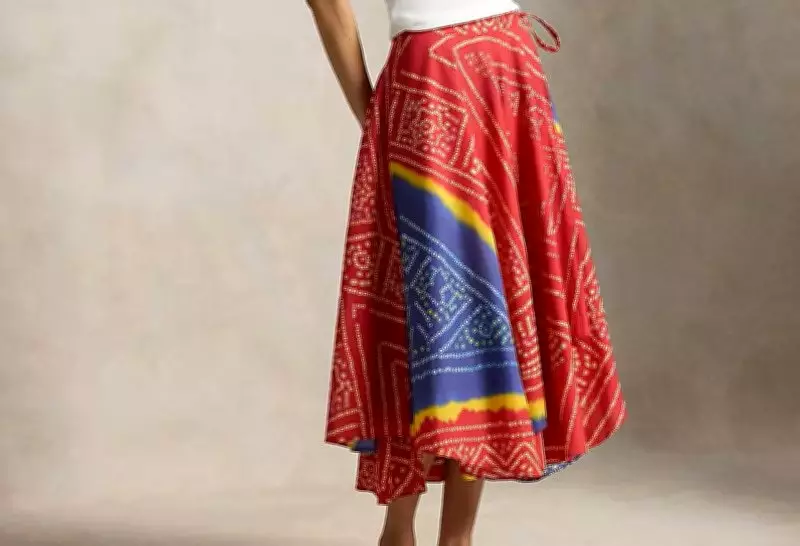
Ralph Lauren, the iconic American fashion brand, is once again under scrutiny for cultural appropriation. The company has launched a skirt inspired by the traditional Indian Bandhani tie-dye technique, priced at a staggering Rs 44,800. Critics argue that the design lacks acknowledgment of its Indian roots and fails to credit the artisans who have perfected this craft over centuries.
The Controversial Design
The skirt features a vibrant pattern reminiscent of Bandhani, a ancient art form from Gujarat and Rajasthan. Bandhani involves tying thousands of tiny knots before dyeing the fabric, creating intricate patterns. Ralph Lauren's version, however, is machine-made and sold at a premium, sparking outrage among traditionalists and fashion activists.
Previous Incidents
This is not the first time Ralph Lauren has faced accusations of cultural appropriation. In 2020, the brand was criticized for a similar design that resembled the traditional Indian 'bandhani' print. The company has yet to respond to the latest backlash.

Industry Reactions
Fashion experts and cultural commentators have weighed in, highlighting the need for brands to collaborate with local artisans rather than simply borrowing motifs. 'It's about respect and fair compensation,' said one textile historian. 'Indian crafts have inspired global fashion for decades, but the creators rarely see a share of the profits.'
Social media users have also expressed disappointment, with many calling for a boycott. The hashtag #BoycottRalphLauren has trended in India, with netizens urging the brand to acknowledge the source of its inspiration.
Bandhani: A Heritage Craft
Bandhani is one of the oldest textile traditions in India, with references in ancient texts and paintings. The craft is primarily practiced in Kutch, Gujarat, and is known for its vibrant colors and intricate patterns. Artisans spend years mastering the technique, which is often passed down through generations.
The controversy has reignited discussions about intellectual property rights and cultural preservation. Many argue that global brands should invest in preserving these crafts rather than appropriating them for profit.
What Next?
As the backlash grows, Ralph Lauren has not issued a statement. Meanwhile, Indian designers and activists are calling for stricter laws to protect traditional knowledge and designs. The incident serves as a reminder of the fine line between inspiration and appropriation in the fashion industry.






