Sanatkada Festival Celebrates Lucknow-Calcutta Cultural Connections
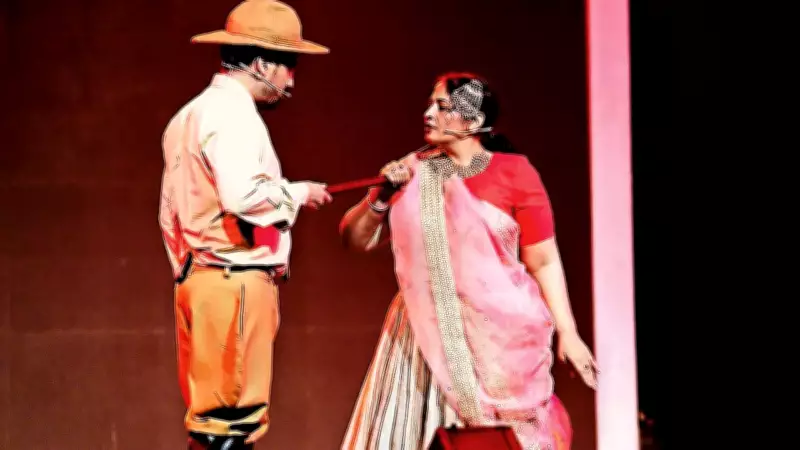
The historic city of Lucknow served as a vibrant backdrop for the 17th edition of the Sanatkada Festival, with iconic landmarks like Safed Baradari, Raja Ram Pal Park, and Amiruddaula Library hosting the event. The festival, themed Raabta: Lucknow-Calcutta Ka, delved into the deep-rooted cultural ties between these two cities, tracing back to Nawab Wajid Ali Shah's historic journey to Calcutta. Over five enriching days, the festival explored shared histories through a diverse array of activities, including literature sessions, musical performances, art exhibitions, culinary experiences, and a bustling artisanal bazaar.
Inaugural Ceremony and Opening Performances
The inauguration ceremony commenced with a captivating Dhaak performance by Padma Shri awardee Gokul Chandra Das and his talented women's troupe, setting a festive tone for the event. Following this, the core organizing team, comprising Madhavi Kuckreja, Anuja Sharma, Naghma, Tasveer Hasan, and Jai Shah, took the stage to officially unveil the festival's theme to the eager audience. Day one featured Where is My Friend's House, a unique musical presentation where Kathak dancer Shruti Ghosh narrated the chronicles of Awadh through expressive dance and storytelling. This was succeeded by the Murshidabadi Project's performance of Saat Maqaam Ishq Ke, a folk Sufi dastaan that beautifully wove together verses from multiple poets, highlighting the spiritual and artistic connections between the regions.
Literary and Culinary Highlights
Day two of the festival brought a literary focus with a session titled Chaunk, which examined the intersections of food, economy, and society. This event saw Nobel Laureate and Indian-American Economist Abhijit Banerjee engaging in a thought-provoking conversation with illustrator Cheyenne Olivier at the packed Amiruddaula Library. Additionally, artist-researcher Soumyadeep Roy presented Shahrashob, a project based on nine years of meticulous research into Wajid Ali Shah's exile to Metiabruz, offering insights into the historical and cultural impacts of this period.

The festival culminated with a special food session, Zaiqay Ka Safar: From Lucknow to Kolkata, where Manzilat Fatima, the great-great-granddaughter of Nawab Wajid Ali Shah, joined experts Rajeev Lochan and Sufia Kidwai, moderated by host Saira Mujtaba. This session explored themes of food, memory, and migration, with Manzilat emphasizing how Lucknow's cuisine traveled east with exiled court chefs. She highlighted the cuisine's nazakat (delicacy) and balanced flavors, contrasting it with the perception of excess, thus underscoring the culinary legacy that bridges the two cities.
Artistic and Cultural Contributions
Throughout the festival, various artists and contributors enriched the experience. Notable participants included Kathak dancer Shruti Ghosh, whose storytelling performance captivated audiences, and Nobel laureate Prof Abhijit Banerjee, who signed books and engaged with attendees. Other key figures such as Tayyaba Haseen, Noor Aslam, Askari Naqvi, Isha Priya Singh, Stuti Mishra, Valentina Trivedi, and Devyani added to the diverse cultural tapestry, showcasing the festival's commitment to fostering dialogue and appreciation for shared heritage.
The Sanatkada Festival successfully bridged past and present, offering a platform for cultural exchange and historical reflection. By focusing on the enduring connections between Lucknow and Calcutta, it celebrated the rich traditions that continue to influence art, literature, and cuisine in both regions, making it a significant event in India's cultural calendar.