

Iran and Hezbollah Escalate Attacks on Israel with Second Wave of Strikes
In a significant escalation of hostilities, Iran and its proxy group Hezbollah have launched a second phase of military operations against Israel, targeting multiple locations including a base in Haifa. This latest offensive, part of Operation True Promise 4, marks a broadening of Iran's operational reach in the ongoing conflict.
Missile Barrage and Expanded Targeting
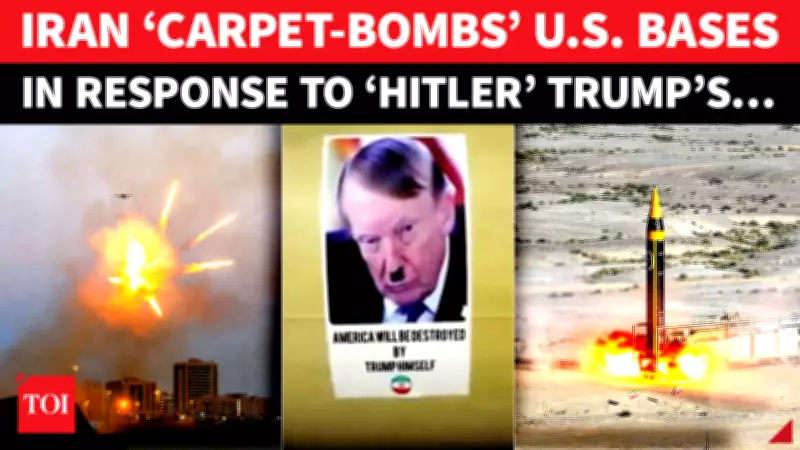
The strikes involved the use of Kheibar Shekan ballistic missiles, deployed for the first time using dual-base systems, which allowed for simultaneous launches from multiple locations. Israeli cities such as Tel Aviv, Petah Tikva, and Beersheba were hit, with missile debris and rockets also impacting areas near sensitive sites like Dimona. The widening geographical spread indicates Iran's enhanced capabilities and strategic intent to pressure Israel across a broader front.
Reports confirm that the Haifa base was a primary target, with debris from the attacks causing damage in the region. This move underscores Iran's focus on critical military infrastructure, aiming to disrupt Israeli defense operations and signal its growing prowess in asymmetric warfare.

Information Campaign and Political Messaging
Alongside the military strikes, Iran has intensified its information campaign, directing sharp messaging at US President Donald Trump. Iranian media and affiliated channels circulated provocative imagery targeting Trump, a deliberate shift in strategy to personalize the conflict. This framing appears designed to portray the hostilities as driven by leadership decisions, potentially influencing political narratives beyond the battlefield and complicating international diplomatic efforts.
The dual approach of military action and psychological operations reflects Iran's multifaceted strategy to exert pressure on both Israel and the United States, leveraging media to amplify its geopolitical stance.
Implications for Regional Stability
The escalation raises concerns about further destabilization in the Middle East, with potential ripple effects on global security. Key points to note include:
- The use of advanced missile systems highlights Iran's evolving military technology and readiness for prolonged conflict.
- The targeting of Haifa, a major port and industrial hub, could impact Israel's economic and logistical operations.
- Iran's messaging campaign suggests an attempt to sway public opinion and political discourse in the US and internationally.
As tensions mount, regional actors and international bodies are closely monitoring developments, with fears of a broader confrontation if de-escalation efforts fail. The situation remains fluid, with both sides likely to adjust their tactics in response to ongoing military and political dynamics.






