

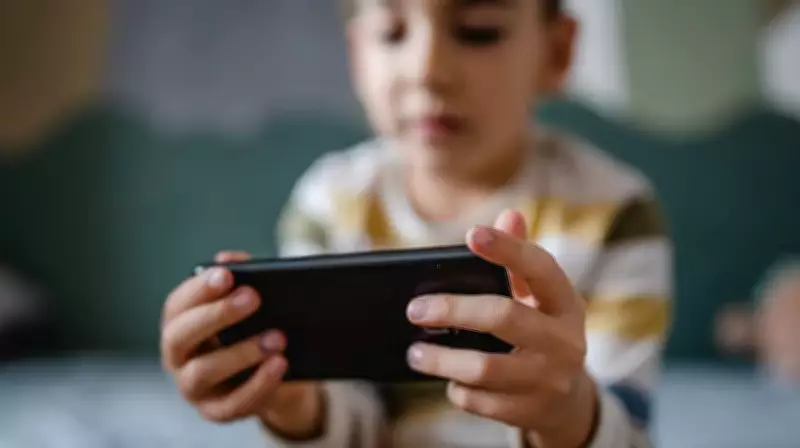
Governments around the world are taking action to limit children's access to social media platforms, driven by growing worries about the impact on mental health, privacy, and safety. From Australia to Europe, new regulations and voluntary measures are being introduced to create a safer online environment for minors.
Australia's Pioneering Move
Australia has been at the forefront of this movement, proposing legislation that would ban children under 16 from using social media. The government argues that platforms like Instagram, TikTok, and Snapchat expose young users to cyberbullying, harmful content, and excessive screen time. The law would require social media companies to verify users' ages and enforce the ban, with hefty fines for non-compliance.
European Union's Comprehensive Approach
In Europe, the European Union is updating its Digital Services Act to include stricter rules for protecting children. The new guidelines mandate that platforms assess risks to minors, provide age-appropriate content, and offer tools for parental control. Countries like France and Germany have also introduced national laws requiring parental consent for children under 16 to access social media.

Other Countries Join the Effort
Several other nations are following suit. The United Kingdom is considering a similar ban, while Canada has proposed legislation that would hold platforms accountable for harmful content targeting children. In Asia, South Korea has implemented a "shutdown law" that prevents children under 16 from playing online games after midnight, and India is exploring age-gating mechanisms for social media.
Tech Companies' Response
Social media companies are responding with their own measures. Meta (Facebook and Instagram) has introduced default private accounts for users under 16 and limits on who can contact them. TikTok has launched a "Family Pairing" feature that allows parents to control screen time and content filters. However, critics argue that these steps are insufficient and that stricter regulation is needed.
Debate Over Effectiveness
The push for regulation has sparked debate. Supporters say it is necessary to protect vulnerable children from online harms, including predators, misinformation, and addiction. Opponents argue that bans could infringe on free speech and that education and digital literacy are more effective solutions. Some experts also warn that restrictions might drive children to unregulated platforms.
Global Trend Continues
As concerns mount, the trend toward regulating children's social media use is likely to spread. The World Health Organization has called for more research on the long-term effects, while UNICEF advocates for a balanced approach that respects children's rights while ensuring their safety. With more countries considering similar laws, the landscape of social media access for minors is set to change significantly.






