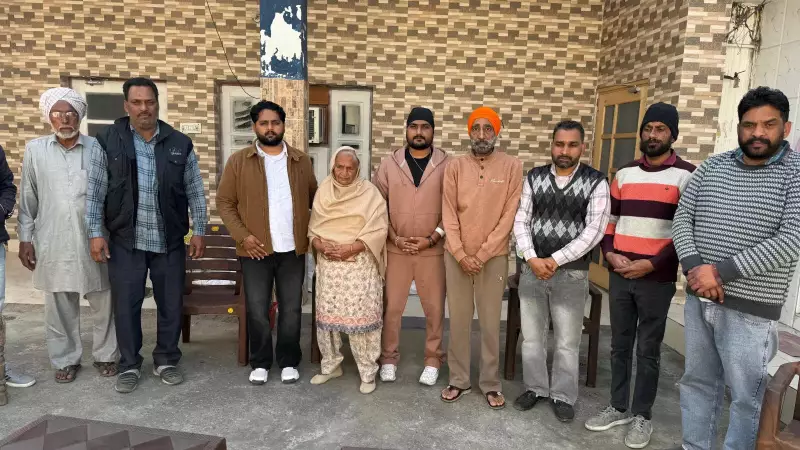
In a remarkable display of interfaith solidarity that embodies the true spirit of the season, a village in Punjab has become a beacon of communal harmony. A 75-year-old Sikh woman has taken the lead by donating a piece of land for the construction of a mosque, with local Hindu and Sikh families enthusiastically contributing financial aid to make the project a reality.
A Village United in Diversity
This heart-warming story originates from Jakhwali village, located in the Fatehgarh Sahib district of Punjab, approximately 55 kilometers from Chandigarh. The village's demographic fabric is a beautiful tapestry of faiths. It is predominantly home to Sikh families, with an estimated 400 to 500 households. The village also has a significant presence of Hindu families, around 150, and a Muslim community comprising about 100 families. While the village already had a gurdwara and a Shiva temple serving the Sikh and Hindu populations, it lacked a dedicated mosque for its Muslim residents.
The Act of Generosity and Community Response
The initiative was sparked by the generous decision of the elderly Sikh woman. Her donation of land addressed the fundamental need for a space of worship for her Muslim neighbors. This act of profound kindness did not go unnoticed. Inspired by her gesture, members of the Sikh and Hindu communities in Jakhwali decided to step forward. They collectively pitched in with monetary contributions, ensuring that the dream of building the mosque could move from a noble idea to a tangible structure. This collective effort, emerging in late December 2025, highlights a community-driven model of development and coexistence.

Symbolism and the Bigger Picture
This event is more than just a construction project; it is a powerful symbol of India's enduring secular ethos at the grassroots level. In an era often marked by divisive narratives, the residents of Jakhwali have set a compelling example. The story demonstrates how interfaith harmony can be actively practiced, with one community's need being embraced and fulfilled by others. It reinforces the idea that places of worship can become monuments to unity rather than division. The collaboration between Sikh, Hindu, and Muslim families in a single village serves as a microcosm of the pluralistic society that India strives to be.
The narrative from Fatehgarh Sahib is a testament to the fact that true community spirit often shines brightest in small, everyday acts of support and understanding. It sends a resonant message that when people come together, transcending religious identities, they can build not just structures, but also stronger, more compassionate communities.