Smithsonian Museum Returns Looted Indian Sculptures Following Detailed Provenance Investigation
In a significant development for cultural heritage restitution, museums worldwide are increasingly addressing the complex legacy of looted artifacts within their collections. The Smithsonian Institution's National Museum of Asian Art has emerged as the latest prominent institution to take decisive action in this regard.
Three Sacred Sculptures to be Repatriated to India
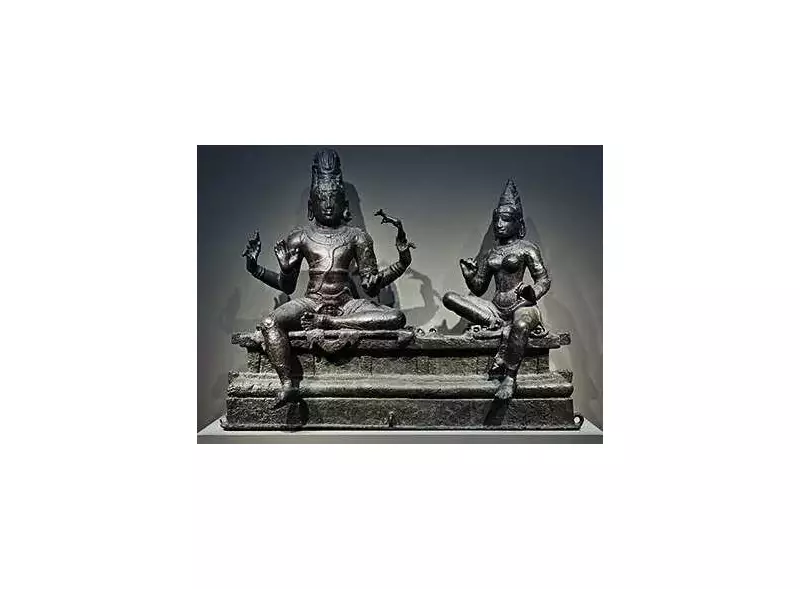
On Wednesday, the museum announced its commitment to return three historically significant sculptures to India after conducting rigorous research that conclusively demonstrated these artifacts had been illegally removed from temples in Tamil Nadu. The sculptures in question represent masterpieces of South Indian bronze casting and include:
- Shiva Nataraja from the Chola period, approximately 990 CE
- Somaskanda from the Chola period, 12th century
- Saint Sundarar with Paravai from the Vijayanagar period, 16th century
These artifacts exemplify the extraordinary artistic traditions and technical sophistication of South Indian metalwork during their respective historical periods.

Innovative Long-Term Loan Arrangement
In a noteworthy arrangement, the Indian government has agreed to place the Shiva Nataraja sculpture on long-term loan with the National Museum of Asian Art. This collaborative approach enables the museum to continue displaying this important work while simultaneously sharing the complete narrative of its origins, illegal removal, and eventual return with the public.
The sculpture will be featured as part of the exhibition The Art of Knowing in South Asia, Southeast Asia, and the Himalayas, where visitors will gain insight into both its artistic significance and its complex provenance history.
Systematic Review Uncovers Illegal Removal
The decision to return these sculptures resulted from a systematic review of the museum's South Asian collections, during which researchers undertook detailed investigations into the provenance of each artifact. The museum collaborated extensively with the Photo Archives of the French Institute of Pondicherry in 2023, confirming through photographic evidence that these bronzes had been documented in their original temple locations between 1956 and 1959.
Following this discovery, the Archaeological Survey of India reviewed the findings and officially affirmed that the sculptures had been removed in direct violation of Indian cultural heritage protection laws.
Museum Leadership Emphasizes Ethical Stewardship
Chase F. Robinson, director of the National Museum of Asian Art, emphasized the institution's commitment to responsible cultural heritage management, stating: The National Museum of Asian Art is committed to stewarding cultural heritage responsibly and advancing transparency in our collection. This statement reflects a growing institutional awareness regarding ethical collection practices within the museum community.
Detailed Provenance Research Reveals Fraudulent Documentation
The research uncovered specific details about each sculpture's journey from temple to museum. The Shiva Nataraja originally belonged to the Sri Bhava Aushadesvara Temple in Thanjavur district, where it was photographed in 1957. The museum acquired this bronze from the Doris Wiener Gallery in New York in 2002, but subsequent investigation revealed that the gallery had provided falsified documentation to facilitate the sale.
The Somaskanda and Saint Sundarar with Paravai sculptures arrived at the museum as part of a larger gift comprising approximately 1,000 objects. Research determined that the Somaskanda originated from the Visvanatha Temple in Alattur village, Mannarkudi taluk, while the Saint Sundarar with Paravai came from the Shiva Temple in Veerasolapuram village, Kallakuruchchi taluk.
This comprehensive investigation demonstrates how modern research methodologies, including archival photography analysis and international collaboration, can successfully trace the complex histories of cultural artifacts and facilitate their rightful return to countries of origin.