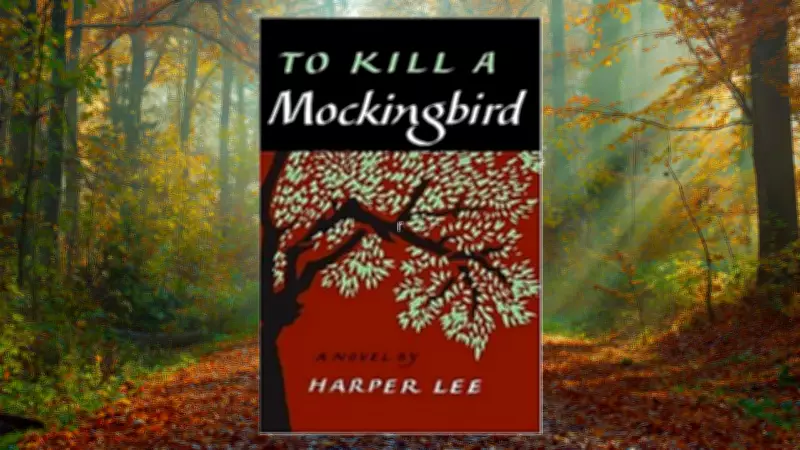
Harper Lee's 'To Kill a Mockingbird' in 10 Sentences: A Timeless Classic
Harper Lee's seminal novel 'To Kill a Mockingbird' stands as a literary masterpiece that masterfully blends childhood innocence with the harsh realities of prejudice and injustice. Set in the fictional town of Maycomb, Alabama during the Great Depression, the story is narrated by young Scout Finch, whose coming-of-age journey reveals profound truths about humanity.
The Heart of Maycomb's Mysteries
Scout, along with her brother Jem and friend Dill, becomes fascinated with their reclusive neighbor Arthur "Boo" Radley, whose mysterious presence fuels their childhood adventures. Through secret gifts left in a tree knothole, Boo quietly connects with the children, challenging their initial fears and prejudices about the unknown.
Atticus Finch: A Moral Compass
Scout's father, Atticus Finch, emerges as the novel's moral center—a lawyer who defends justice with quiet dignity. His famous lesson to Scout, "You never really understand a person until you consider things from his point of view... until you climb into his skin and walk around in it," becomes the story's guiding principle of empathy.

Confronting Injustice: The Tom Robinson Trial
The novel's pivotal moment arrives with the trial of Tom Robinson, a Black man falsely accused of assaulting a white woman. Despite Atticus's brilliant defense that clearly demonstrates Tom's innocence, the all-white jury delivers a guilty verdict, exposing the deep-seated racial prejudices of the era.
Moments of Courage and Revelation
Throughout the narrative, smaller moments build the novel's moral framework. From Atticus's unexpected marksmanship against a rabid dog to Mrs. Dubose's courageous battle against morphine addiction, these episodes teach the children about different forms of bravery and integrity.
The Lynch Mob and Childhood Innocence
In one particularly tense scene, Scout's innocent conversation with Mr. Cunningham disperses a lynch mob gathered outside the jail where Tom Robinson is held. This moment powerfully illustrates how childlike honesty can sometimes disarm adult hatred and violence.
The Aftermath of Injustice
Following the trial, the children's innocence is shattered as they witness the consequences of prejudice. Tom Robinson's tragic death while attempting escape and Bob Ewell's continued vendetta against the Finch family create a growing sense of danger in Maycomb.
Halloween Night: Confrontation and Rescue
The novel's climax occurs on Halloween night when Bob Ewell attacks Scout and Jem in the darkness. Their mysterious rescuer is later revealed to be Boo Radley, who intervenes to save the children, resulting in Ewell's accidental death.
Boo Radley's True Nature Revealed
Sheriff Heck Tate protects Boo from public scrutiny by declaring Ewell's death an accident, allowing the reclusive neighbor to return to his quiet life. Scout finally meets Boo and recognizes him as the novel's ultimate "mockingbird"—a harmless creature who deserves protection rather than harm.
The Mockingbird's Enduring Message
The novel concludes with Scout reflecting on her father's wisdom: that it's a sin to harm innocent beings like mockingbirds, whether they're Tom Robinson or Boo Radley. 'To Kill a Mockingbird' endures as a powerful testament to the importance of compassion over cruelty, justice over prejudice, and the enduring power of moral courage in the face of societal injustice.