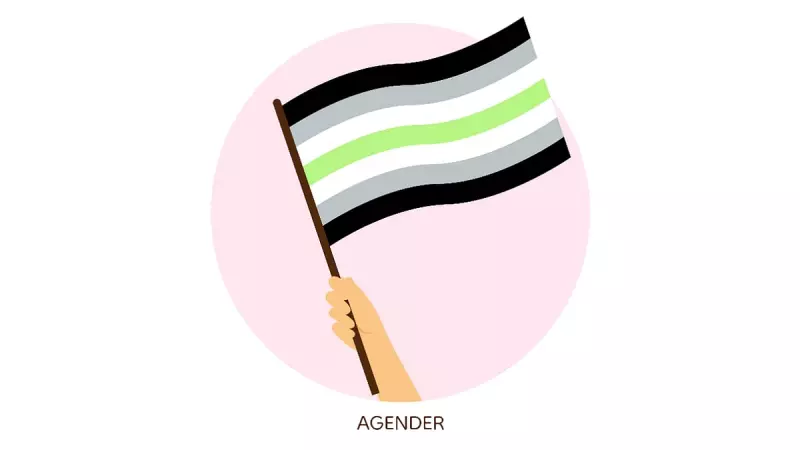
In a world often rigidly divided into male and female, a growing number of individuals are identifying outside this traditional binary. They describe their experience as being agender—a term signifying a lack of gender, a neutral identity, or a rejection of the gender construct altogether. For them, gender is not a defining characteristic of their personhood.
What Does Agender Truly Mean?
The term 'agender' finds its place under the broad and diverse umbrella of non-binary identities. While non-binary is an umbrella term for genders that are not exclusively male or female, agender specifically refers to having no gender. Some agender individuals may describe themselves as gender-neutral, genderless, or null-gender. Their internal experience does not align with the concepts of 'man' or 'woman'.
This identity is deeply personal and can manifest in different ways. For some, it means a complete absence of gender feeling. For others, it might involve a neutral gender that exists in the middle of the spectrum. The common thread is the disconnection from the binary framework that society typically imposes.

The Indian Context and Personal Journeys
In India, where conversations around gender have historically been limited to a binary understanding with occasional recognition of a third gender, the concept of agender can be particularly challenging to navigate. Social structures, language, and even official documents are built around the male/female dichotomy, leaving little room for other identities.
Individuals sharing their stories highlight a journey of introspection. Many speak of a lifelong feeling of not fitting in, a sense of alienation from the gendered expectations placed upon them since childhood. The realization often comes through exposure to vocabulary and communities—online or offline—that provide the language to articulate this internal experience. Discovering the word 'agender' can be a moment of profound clarity and self-validation.
The external expression of an agender identity varies widely. It may involve:
- Adopting a gender-neutral presentation in clothing and appearance.
- Preferring gender-neutral pronouns such as they/them, or the singular 'they' in English, and seeking similar accommodations in Indian languages.
- Advocating for the use of one's name instead of gendered titles or honorifics.
Navigating Challenges and Building Community
Living as an agender person in a binary world comes with significant challenges. Misgendering—being referred to by the wrong gender—is a frequent and painful experience. Simple acts like filling out a form, using a public restroom, or interacting in social and professional settings can become sources of anxiety and conflict.
There is also the constant burden of explanation and education. Since agender identity is less visible and less discussed than some other LGBTQIA+ identities, individuals often find themselves having to define their existence repeatedly for friends, family, and colleagues. This can lead to feelings of isolation and exhaustion.
Despite these hurdles, community support plays a crucial role. Online forums, social media groups, and inclusive LGBTQIA+ collectives in Indian cities provide safe spaces for agender individuals to connect, share experiences, and find solidarity. This sense of belonging is vital for mental and emotional well-being.
The journey towards wider understanding is ongoing. It requires continuous dialogue about the vast diversity of human experience beyond the binary. Recognizing agender and other non-binary identities is a step towards a more inclusive society that respects every person's right to self-identify and live authentically.