Uttarakhand High Court Recognizes Ganga Aarti as Cultural Heritage
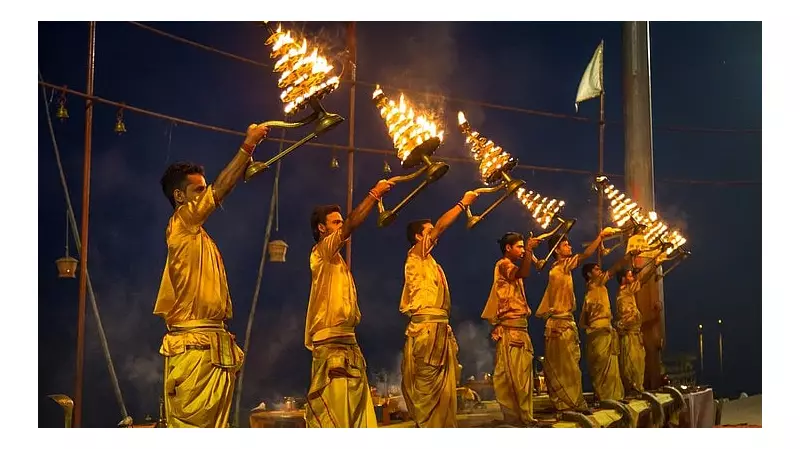
The Uttarakhand High Court has made a significant ruling regarding the Ganga aarti. The court declared this ritual a vital part of India's cultural and civilisational heritage. This decision allows the aarti to continue without interruption.
Court's Reasoning on Tradition and Public Interest
The court provided clear reasons for its judgment. It noted that the Ganga aarti represents a longstanding tradition. Abruptly stopping such practices is not in the public interest. The court emphasized that this could cause significant inconvenience to many people.
Pilgrims and tourists rely on this ritual for spiritual and cultural experiences. The court stated that without an alternative arrangement, halting the aarti would disrupt these activities. This ruling aims to preserve continuity and respect for cultural practices.

Impact on Pilgrims and Tourism
The decision directly benefits pilgrims who visit the Ganga for the aarti. They can now participate in the ritual without fear of cancellation. Tourists also gain from this continuity, as the aarti is a major attraction.
The court's focus on public interest highlights the importance of such traditions. It recognizes that cultural heritage plays a key role in community life. This ruling sets a precedent for protecting similar rituals across India.
Broader Implications for Cultural Preservation
This case underscores the legal protection of cultural practices. The Uttarakhand High Court's stance sends a strong message. It affirms that traditions like the Ganga aarti deserve safeguarding.
The judgment may influence other courts dealing with heritage issues. It shows how courts can balance modern needs with historical continuity. This approach supports both cultural identity and public welfare.
In summary, the court's decision ensures the Ganga aarti remains a living tradition. It protects the rights of devotees and promotes cultural tourism. This ruling celebrates India's rich heritage while addressing practical concerns.