Vikata Sankashti Chaturthi 2026: A Comprehensive Guide to Puja Samagri and Observances
Vikata Sankashti Chaturthi, a significant Hindu fasting day dedicated to Lord Ganesha, is set to be observed on April 5, 2026. This auspicious occasion, falling on the fourth day of the Krishna Paksha in the Hindu month of Chaitra, holds immense spiritual importance for devotees seeking to remove obstacles and attain success in their endeavors. The term "Vikata" translates to "difficult" or "formidable," symbolizing the power of Lord Ganesha to overcome life's toughest challenges. Observing this day with devotion is believed to bring blessings, prosperity, and peace to households.
Essential Puja Samagri List for Vikata Sankashti Chaturthi 2026
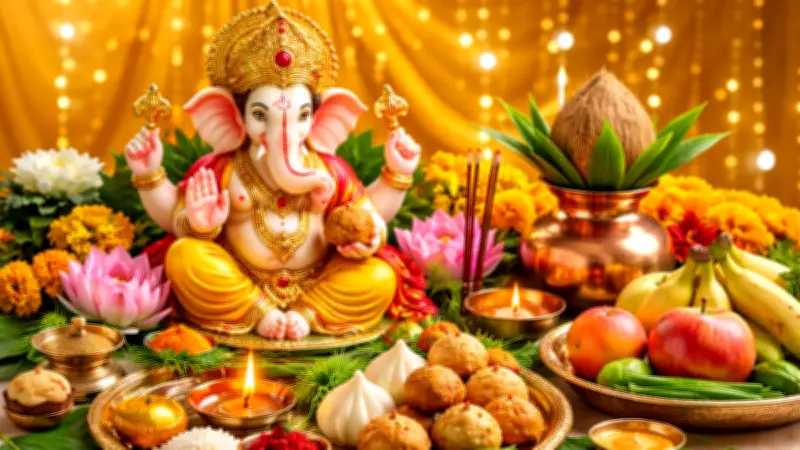
To perform the puja rituals effectively, devotees must gather specific items known as puja samagri. This comprehensive list ensures that all necessary elements are in place for a meaningful worship experience. The samagri includes both traditional offerings and items for the ceremonial setup.
Primary Puja Items:- Idol or picture of Lord Ganesha: A central representation for worship.
- Red cloth: Used to cover the altar or platform where the idol is placed.
- Incense sticks (agarbatti) and dhoop: For creating a fragrant atmosphere during the puja.
- Oil lamp (diya) with ghee or oil: Symbolizes the dispelling of darkness and ignorance.
- Camphor (kapur): Used for aarti, representing the burning of ego and impurities.
- Modak: Lord Ganesha's favorite sweet, often made from rice flour, jaggery, and coconut.
- Fresh fruits: Such as bananas, apples, or coconuts, offered as naivedyam.
- Sweets like laddoo or peda: Traditional confections to please the deity.
- Panchamrit: A mixture of milk, curd, honey, ghee, and sugar, used for bathing the idol.
- Tulsi leaves and flowers: Especially marigold or lotus, for decorating the idol.
- Sandalwood paste (chandan): Applied on the idol and forehead of devotees.
- Kumkum and haldi: Red and yellow powders for tilak and decorations.
- Betel leaves and nuts: Offered as part of the traditional puja items.
- Rice grains: Used in various rituals, including akshata (unbroken rice).
- Water in a kalash: Symbolizes purity and is used for purification rites.
Rituals and Observances for Vikata Sankashti Chaturthi
The observance of Vikata Sankashti Chaturthi involves a series of rituals that begin at sunrise and extend into the evening. Devotees typically observe a strict fast from dawn until moonrise, abstaining from food and water. The fast is broken only after sighting the moon and performing the evening puja. Key rituals include taking a holy bath early in the morning, setting up the puja altar with the samagri, and chanting mantras dedicated to Lord Ganesha, such as the "Om Gan Ganapataye Namah." The puja culminates with the aarti, where camphor is lit and waved in front of the idol, followed by the distribution of prasad to family and friends.

This day is not just about fasting and puja; it is a time for introspection and seeking divine guidance. Many devotees also engage in charitable acts, such as donating food or clothes to the needy, to amplify the spiritual benefits. The emphasis on removing obstacles makes Vikata Sankashti Chaturthi particularly relevant for those facing challenges in personal or professional life. By adhering to the rituals and using the proper samagri, believers aim to invoke Lord Ganesha's grace for smoother paths ahead.