Antarctica: The Only Continent Without Native Reptiles
Reptiles are among the most adaptable and resilient creatures on our planet, thriving in diverse environments from scorching deserts and dense forests to urban landscapes and swampy marshes. Species like snakes, lizards, turtles, and crocodiles have successfully colonized nearly every corner of the globe, demonstrating remarkable evolutionary prowess. However, there exists one significant exception to this widespread distribution: a continent where reptiles have never established a native presence in the wild. This absence is not a mere coincidence but a direct result of millions of years of harsh geographical and climatic conditions that have rendered the region inhospitable to these cold-blooded animals. Let us explore which continent remains reptile-free and uncover the natural factors that have created this unique distinction.
The Answer: Antarctica Stands Alone
Antarctica holds the distinction of being the sole continent on Earth that has never supported any native reptile populations. Unlike all other landmasses, Antarctica has always been devoid of reptiles, a fact rooted in its extreme environmental characteristics. Reptiles, as ectothermic organisms, rely on external heat sources to regulate their body temperature and sustain vital physiological functions. The climate of Antarctica, however, is perpetually too cold to meet these basic survival needs. Even during warmer prehistoric epochs, the continent's conditions never remained suitable for a sufficient duration to allow reptiles to colonize and establish permanent habitats.
Extreme Cold Makes Survival Impossible
Reptiles are ectotherms, meaning they depend entirely on environmental warmth to maintain their body heat and stay alive. In Antarctica, temperatures plummet to levels that are inhospitable even during the brief summer months, with no reliable external heat sources available. Without the ability to generate internal heat, reptiles would find essential processes like digestion, movement, and reproduction completely unfeasible. This fundamental physiological limitation represents a natural barrier that reptiles cannot overcome, explaining their absence from the continent.

No Suitable Ecosystems for Reptiles
Reptiles typically require specific ecosystems to thrive, such as forests, grasslands, swamps, or tropical regions that provide shelter, food, and breeding grounds. Antarctica, in stark contrast, is dominated by vast ice sheets, glaciers, and frozen deserts with minimal vegetation. The continent lacks the necessary flora and fauna to support a food chain, leaving reptiles without access to plants, insects, or small animals for sustenance. This absence of viable habitats further underscores why reptiles have never called Antarctica home.
Isolation from Other Continents
Antarctica has been geographically isolated for millions of years, a result of tectonic plate movements that gradually shifted the continent southward, separating it from warmer landmasses. This isolation created a natural barrier that prevented reptiles from migrating to Antarctica. Even if reptiles had accidentally reached the continent during milder climatic periods, the subsequent drastic cooling would have made survival impossible. The Southern Ocean surrounding Antarctica acts as both a physical and climatic barrier, reinforcing its separation from reptile-inhabited continents.
What Lives in Antarctica Instead?
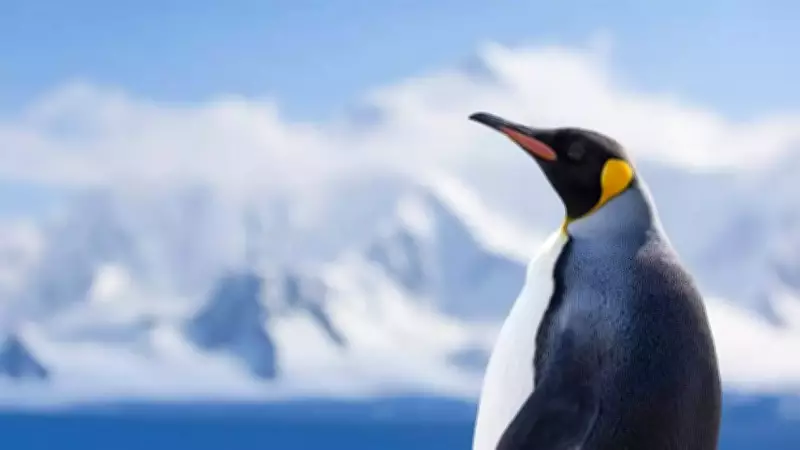
While reptiles are absent, Antarctica is far from lifeless. The continent hosts a variety of animals uniquely adapted to its extreme cold, including penguins, seals, and seabirds. These species have evolved specialized traits such as thick insulation, efficient metabolisms, and social behaviors that enable them to flourish in harsh conditions. Reptiles, lacking such adaptations, cannot compete in this environment. The absence of reptiles in Antarctica serves as a powerful reminder that life on Earth is shaped not only by opportunities but also by the natural limitations imposed by geography and climate.