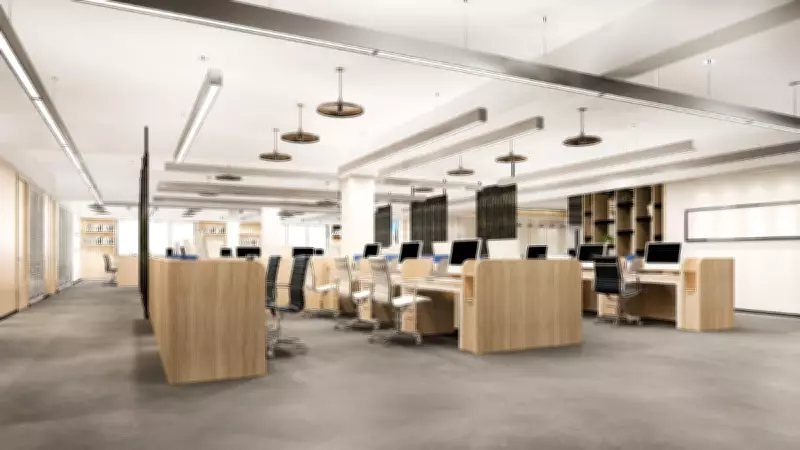
For Generation Z, the traditional office environment is no longer appealing. According to a design expert, the rigid cubicles and fixed schedules of conventional workplaces fail to meet the expectations of this digitally native generation. Instead, Gen Z workers seek flexibility, collaboration, and technology-driven spaces that support their work-life balance and productivity.
Why Gen Z Dislikes Traditional Offices
Gen Z, born between 1997 and 2012, grew up with smartphones and social media. They value autonomy and purpose over hierarchy. A survey by a leading workplace design firm found that 70% of Gen Z employees consider flexible working hours essential. Traditional 9-to-5 schedules feel restrictive to them. Moreover, they prefer open, collaborative layouts over private cabins, as they thrive on constant communication and feedback.
Key Design Changes Needed
Design expert Sarah Johnson, from a renowned architecture firm, explains that offices must evolve. She suggests creating zones for different activities: quiet areas for deep work, collaborative hubs for teamwork, and lounges for informal interactions. Technology integration is crucial, with smart boards, high-speed internet, and ergonomic furniture. Natural lighting and biophilic elements also improve well-being. Johnson emphasizes that retention strategies must include these design shifts.

Additionally, Gen Z values sustainability. Offices with green certifications, energy-efficient systems, and recycling programs attract them. They want their workspace to reflect their ethical values. Companies that fail to adapt may struggle to retain young talent.
The Future of Work
The shift is not just about aesthetics; it is about culture. Remote and hybrid work options are non-negotiable for many. Offices should become destinations for collaboration rather than mandatory attendance. By redesigning spaces to be more human-centric, employers can boost engagement and innovation among Gen Z employees.
In conclusion, the traditional office model is dead for Gen Z. To attract and keep them, companies must embrace flexibility, technology, and sustainability. The expert advises that listening to what young employees want is the first step toward a productive future workplace.