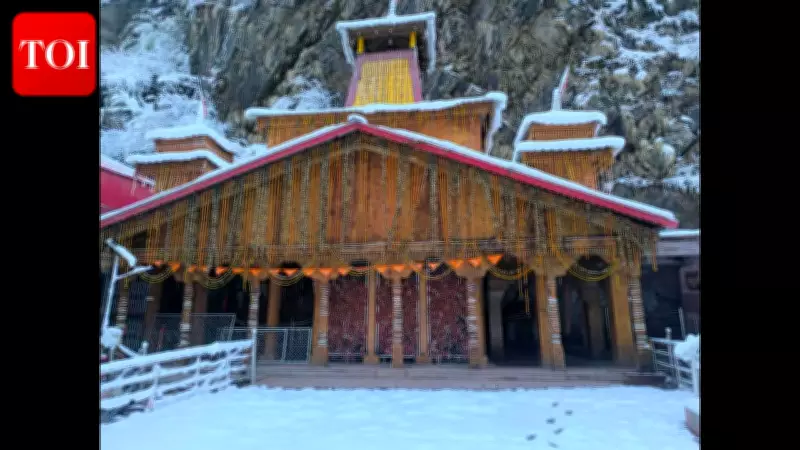
Yamunotri Temple Embraces Inclusivity Amid Char Dham Entry Policy Shifts
In a significant move, the revered Yamunotri temple in Uttarakhand has officially opened its doors to devotees of all faiths, marking a departure from traditional entry restrictions. This decision comes as the other three shrines of the Char Dham pilgrimage circuit—Badrinath, Kedarnath, and Gangotri—have reinstated entry curbs based on religious affiliation, creating a notable contrast in access policies across these sacred sites.
Yamunotri's Progressive Stance on Religious Access
The Yamunotri temple, dedicated to Goddess Yamuna, has adopted an inclusive approach by allowing pilgrims from any religious background to enter and offer prayers. This policy shift is aimed at promoting spiritual harmony and broadening the temple's appeal to a diverse range of visitors. Temple authorities have emphasized that the move aligns with principles of universal devotion and respects the sanctity of the shrine while welcoming all seekers.
Entry Restrictions Reinstated at Other Char Dham Shrines
In contrast, the Badrinath, Kedarnath, and Gangotri temples have reinforced entry restrictions that limit access primarily to Hindu devotees. These curbs, which were temporarily relaxed in recent years, have been reinstated to uphold traditional practices and maintain the religious purity of the sites. Officials cite historical and cultural reasons for these measures, noting that the shrines have long been central to Hindu pilgrimage traditions.

The reinstatement of restrictions at these three shrines has sparked discussions among pilgrims and religious scholars. While some support the move as a way to preserve ancient customs, others argue it may hinder spiritual inclusivity and tourism growth in the region.
Impact on Pilgrimage and Tourism in Uttarakhand
The divergent policies among the Char Dham shrines are expected to influence pilgrimage patterns and tourism dynamics in Uttarakhand. Yamunotri's open-door policy could attract a wider array of visitors, potentially boosting local economies and fostering interfaith dialogue. Meanwhile, the entry curbs at the other shrines might lead to a more focused influx of Hindu devotees, reinforcing their role as key destinations for traditional religious journeys.
Local authorities and tourism boards are monitoring the situation closely, as the Char Dham yatra is a major driver of economic activity in the state. The contrasting approaches highlight ongoing debates about balancing religious heritage with modern inclusivity in India's sacred spaces.
Broader Implications for Religious Sites in India
This development at the Char Dham shrines reflects broader trends in how religious sites across India are navigating issues of access and tradition. As society evolves, temples and other places of worship are increasingly faced with decisions about whether to maintain exclusive practices or adopt more inclusive policies. The Yamunotri temple's stance may serve as a model for other shrines considering similar changes, while the restrictions at Badrinath, Kedarnath, and Gangotri underscore the persistence of traditional norms in certain contexts.
Experts suggest that such variations in policy can enrich the cultural tapestry of India's religious landscape, offering different experiences for pilgrims and tourists alike. However, they also caution that clear communication and respectful implementation are essential to avoid conflicts and ensure that all visitors feel welcomed and respected.
As the pilgrimage season progresses, the effects of these entry policies will become more apparent, shaping the future of spiritual tourism in Uttarakhand and beyond.