In 2025, jewellery transcended its traditional role as a mere display of wealth. It evolved into a subtle language of personal identity, cultural reclamation, and a search for tangible reality in an increasingly digital world. The year's most defining moments weren't loud announcements but quiet shifts in habit and gesture, revealing how people used adornment to feel grounded, express belonging, and navigate modern anxieties.
The Allure of the Real: Louvre Heist's Eight-Minute Thrill
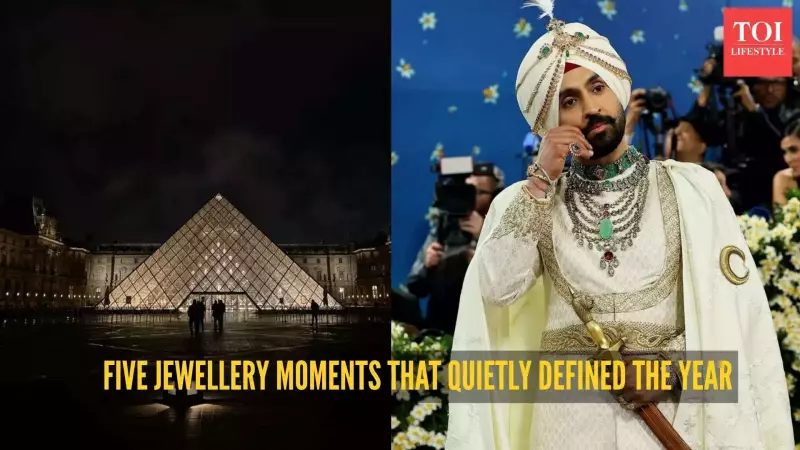
The year's narrative began not with a purchase, but with a theft. The audacious Louvre heist in Paris, where thieves stole millions in jewels in just eight minutes, captured the public imagination in an unexpected way. The dominant reaction wasn't outrage, but a quiet thrill. In an era of buffered, filtered experiences, the sheer physicality of the crime—shattering glass, moving bodies, carrying weight—felt jarringly real. The story spread through whispers and shared links, often accompanied by a wide-eyed emoji, symbolising a collective yearning for unmediated, visceral moments in a curated life.
Cultural Reclamation and the Weight of History
A pivotal moment unfolded on the global fashion stage at the Met Gala. When Punjabi superstar Diljit Dosanjh walked the carpet, the focus shifted to a notable absence. He wore a recreation of the historic Patiala necklace, while the original remained behind museum glass. This act sparked a complex conversation about heritage, access, and representation. For many viewers, it stirred pride followed by a sharp recognition of the ongoing negotiation for cultural ownership. The moment resonated deeply, even with those who don't own heirlooms, highlighting a collective consciousness about who gets to wear and define history.

Unapologetic Opulence and Storytelling in Gold
The Indian wedding season of 2025 witnessed jewellery shedding any pretense of restraint. Grand, declarative pieces—bold emeralds and dominant diamonds—took center stage. This spectacle wasn't designed for global relatability; it was a confident assertion of abundance, lineage, and faith. Observers met this display not with simple envy, but with a complicated acknowledgement. In a world leaning towards quiet luxury, this unironic embrace of excess felt, for some, like a grounding form of truth-telling and cultural continuity.
The Pragmatic Shift: Lightweight Gold and Instant Pleasure
Not all trends were grand. A significant, practical shift occurred as gold prices soared. Heavy 22-karat gold made way for more accessible 9k and 14k pieces. This move towards lighter, wearable jewellery democratised adornment, freeing it from the confines of grand ceremonies. The act of buying a ring at a Bandra pop-up, paid for with a card beep and worn immediately without ceremony, symbolised a tender refusal to postpone joy. It championed living in the present, finding pleasure in small, daily glints rather than saving beauty for a distant future.
Men's Jewellery and the Exhale of Expression
A quiet revolution bloomed in men's fashion as brooches and statement pins made a robust comeback. Starting with bold pieces featuring emeralds and panther motifs, the trend filtered down to banquet halls and wedding sherwanis. It represented more than a fashion statement; it was an exhale of permitted expression. A groom in Dwarka adjusting a faux-diamond tiger on his chest embodied this newfound ease. This trend moved beyond gender, becoming about the freedom to accessorise and shine without apology.
The Data-Driven Intimacy of Smart Rings
By year's end, the most intimate piece of jewellery was also the most technological. Smart rings, glowing in dark gyms, tracked sleep, stress, and readiness, turning the body into quantifiable data. This created a new dynamic where people began to check their biometric scores before responding to messages or assessing their own feelings. This dependence on metrics to validate intuition was both tender and unsettling, marking a new frontier where jewellery doesn't just adorn the body but constantly interprets it, asking not how we feel, but if we are allowed to feel based on the data.

Ultimately, the jewellery trends of 2025 painted a portrait of a society seeking authenticity, personal permission, and tangible connection. From the thrilling reality of a heist to the data-fuelled intimacy of a smart ring, what people chose to wear—or admire—became a quiet commentary on the world they navigated every day.