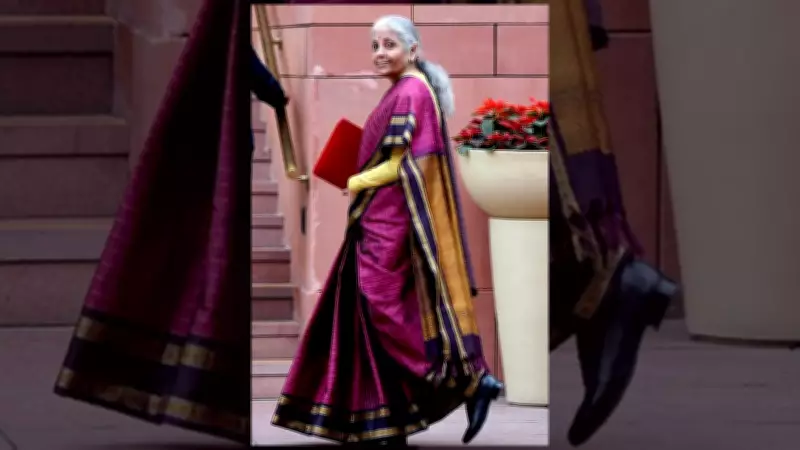
Nirmala Sitharaman's Saree Style: A Visual Chronicle of Union Budget Presentations
As Finance Minister Nirmala Sitharaman prepares to present the Union Budget 2026, her distinctive saree choices have become an integral part of the annual fiscal event's visual identity. Over the years, her attire has evolved while maintaining a strong connection to India's rich textile heritage, creating a unique sartorial narrative alongside economic policies.
The Evolution of Budget Day Attire
Since her first full budget presentation in 2019, Sitharaman has consistently selected sarees that reflect both tradition and contemporary elegance. Each year's choice appears carefully considered, often incorporating regional fabrics and designs that subtly complement the budget's themes and India's economic journey.
2019-2021: Establishing a Signature Style

During her initial budget presentations, Sitharaman favored classic silk sarees in solid colors with traditional borders. These choices projected stability and gravitas, aligning with her role as India's first full-time female finance minister. The fabrics often showcased craftsmanship from various states, subtly highlighting India's diverse textile industry.
Recent Years: Bold Patterns and Symbolic Colors
In more recent budgets, particularly leading up to 2026, Sitharaman's saree selections have incorporated bolder patterns and more symbolic color choices. The evolution demonstrates increasing confidence in using attire as a subtle communication tool, with colors sometimes reflecting economic optimism, stability, or national pride.
Notable elements of her recent style include:
- Increased use of handwoven fabrics from specific regions
- Strategic color choices that align with budget themes
- Traditional jewelry that complements without overwhelming
- Attention to drape and presentation that maintains professional elegance
The Cultural Significance of Budget Attire
Sitharaman's consistent choice of traditional Indian wear for budget presentations carries cultural significance beyond personal style. It represents a deliberate celebration of Indian textiles and craftsmanship on a global stage, as budget presentations receive international media coverage. This sartorial consistency has made her saree choices anticipated elements of budget day coverage, with fashion analysts and textile enthusiasts noting her selections alongside economic commentators discussing policy.
The Finance Minister's approach contrasts with the Western business attire typically associated with high-level economic presentations worldwide, instead presenting a distinctly Indian aesthetic of professional dress. This choice reinforces cultural identity while maintaining the seriousness and authority required for presenting the nation's economic roadmap.
Anticipating Union Budget 2026
As Union Budget 2026 approaches, speculation about Sitharaman's saree choice has become part of the pre-budget conversation. Based on her evolving style trajectory, expectations include:
- Continued emphasis on handloom and traditional fabrics
- Possible incorporation of sustainable or khadi materials
- Color choices that reflect current economic priorities
- Design elements that balance tradition with contemporary relevance
This attention to attire highlights how visual presentation has become an important aspect of communicating economic policy in the modern media landscape. Sitharaman's saree selections, while personal style choices, have inadvertently become symbols of India's economic narrative, blending cultural heritage with fiscal policy in a uniquely visible way.