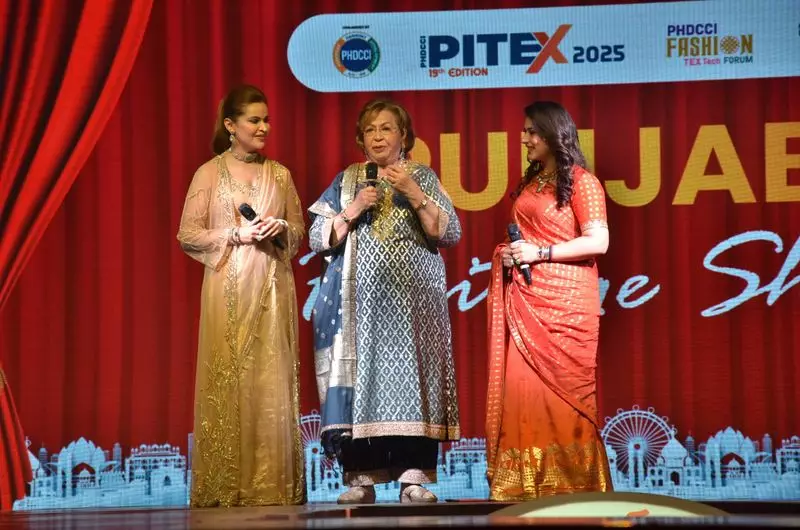
The vibrant city of Amritsar recently played host to a glittering celebration of Punjabi artistry, where the threads of tradition met the runway of contemporary fashion. The event, a dedicated fashion showcase, drew notable figures from the film industry, including the legendary actor Helen and actor Rajat Bedi, turning it into a significant cultural moment.
A Star-Studded Affair for Punjabi Textiles
Held at a prominent venue in Amritsar, the fashion show was conceived as a dynamic platform to honor and revitalize the region's illustrious craft legacy. The presence of veteran Bollywood icon Helen and actor Rajat Bedi added considerable glamour and spotlight to the cause. Their attendance underscored the importance of preserving indigenous art forms in the modern age.
The showcase was not merely a display of garments but a narrative of Punjab's artistic soul. Designers and artisans took center stage, presenting collections that were deeply rooted in traditional techniques yet tailored for the contemporary wardrobe. The atmosphere was one of reverence and celebration for the skilled hands that keep these heritage crafts alive.

Phulkari and Handlooms Take Center Stage
The runway came alive with the brilliant colors and intricate embroidery of Phulkari, the iconic Punjabi needlework. This traditional craft, known for its vibrant floral patterns, was reinterpreted in stunning ensembles that ranged from classic suits to fusion wear. Alongside Phulkari, the elegance of Punjab's handloom fabrics was prominently featured, showcasing the fine weaving techniques passed down through generations.
A core theme of the event was the promotion of sustainable and slow fashion. By highlighting handcrafted textiles and artisanal methods, the showcase made a powerful statement against fast fashion, advocating for clothing with a story, identity, and lower environmental impact. This focus resonated with a growing global movement towards conscious consumption.
Celebrating Artisans and Cultural Legacy
Beyond the glamour, the event served a crucial purpose: to bring the artisans, the true heroes of this narrative, into the limelight. It aimed to create a direct bridge between these master craftspeople and the wider market, ensuring their work receives the recognition and economic viability it deserves. The fashion show acted as a catalyst for conversations about preserving cultural heritage in a commercially driven world.
The success of the Amritsar event highlights a burgeoning trend where fashion is increasingly used as a medium for cultural preservation and economic empowerment. It demonstrates a collective desire to stay connected to one's roots while embracing modern aesthetics. The participation of celebrities like Helen and Rajat Bedi amplifies this message, inspiring a wider audience to appreciate and invest in their heritage.
In conclusion, the fashion showcase in Amritsar was more than a glamorous evening; it was a vibrant testament to Punjab's living craft traditions. By seamlessly blending stars, style, and sustainability, it set a precedent for how regional heritage can be celebrated, worn with pride, and secured for the future.