How Tiny Bag Charms Became Luxury Fashion's Billion-Dollar Obsession
In the world of high fashion, where grand statements often dominate, a quiet revolution is unfolding at a miniature scale. What began as playful accessories have transformed into powerful business tools, with bag charms emerging as the luxury industry's most charming and profitable obsession.
From Runway Playground to Revenue Powerhouse
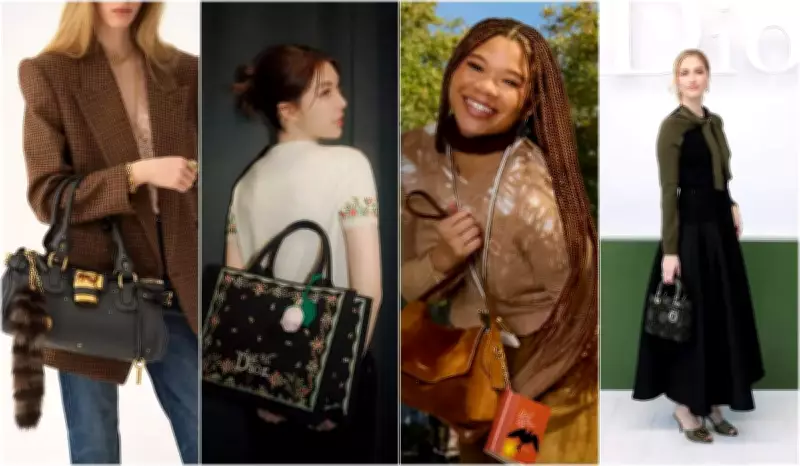
Last month, Coach transformed the runway into a vibrant playground of personality during its Spring 2026 showcase. The brand unveiled exquisite miniature book-shaped bag charms inspired by classic literature—an edit that immediately captured the internet's imagination and kept fashion enthusiasts talking for weeks. This moment perfectly illustrates how luxury is no longer merely worn but actively expressed through these tiny, meaningful accents.
The business case behind these miniature accessories is equally compelling. According to a comprehensive Business Insider report from last year, accessories including charms and straps have significantly contributed to the growth of Tapestry, Coach's parent company. CEO Joanne Crevoiserat specifically highlighted the remarkable success of the $95 cherry bag charm as a particular favorite among Gen Z consumers—clear proof that small, thoughtful additions can drive substantial commercial impact.

The Strategic Shift: From Novelty to Necessity
As luxury houses increasingly rely on smaller, collectible pieces to boost sales in a challenging economic climate, bag charms have decisively moved beyond mere novelty items to become essential revenue drivers. Brands including Coach and Miu Miu have masterfully tapped into this growing trend with strategic add-ons, transforming charms into irresistible impulse purchases that consistently drive sales upward.
Recent financial reports reveal the tangible impact of this strategy. Miu Miu recorded an impressive 49% jump in sales during the first half of 2025 compared to the same period last year, significantly drawing in first-time luxury buyers through its appealing leather bag charms. "Brands like Miu Miu succeeded because single pieces perfectly mirror the brand identity, allowing Gen Z consumers to buy into the brand without having to purchase a full look," explained Achim Berg, founder of FashionSIGHTS, an influential industry think tank, in an interview with Investing.com.
The data supports this analysis comprehensively. Wholesale platform JOOR reported a staggering 12-fold surge in bag charm sales during early 2025, with search demand rising sharply across all major digital platforms simultaneously. "Bag charms are quietly emerging as high-margin, high-velocity products within the luxury ecosystem," observes Gaurav Bhagat, a prominent luxury trend analyst.
Gateway to Gen Z Luxury Consumption
Perhaps most significantly, these miniature accessories are fundamentally redefining how younger consumers enter the exclusive world of luxury fashion. "They are increasingly being positioned as hook products," adds Gaurav Bhagat. "With Gen Z and millennials set to dominate luxury consumption in coming years, charms offer an accessible entry point—allowing first-time buyers to engage with a brand's identity without the substantial financial commitment of a full handbag."
The phenomenon extends beyond traditional fashion houses. In 2024, Pop Mart's innovative collaboration with artist Kasing Lung transformed Labubu into a global sensation, effectively reviving the bag charm trend for a new generation. What began as a small collectible item soon entered mainstream fashion, boosted exponentially by social media buzz and celebrity sightings. As Labubu moved from toy to fashionable bag charm, it reached a dramatically wider audience and evolved into a truly cross-generational accessory rather than merely a niche collectible.
Playful Luxury: From Catwalk to Celebrity Closet
At Coach's Spring 2026 presentation, handbags functioned as authentic storytelling pieces, beautifully adorned with miniature book-shaped charms that brought a playful, literary edge to the runway. These creations instantly drew attention and sparked widespread conversation across fashion media.

Meanwhile, Chloé's Spring/Summer 2026 collection leaned creatively into texture, with its fuzzy "Treasure Tails" charm adding delightful movement and a soft, whimsical finish—demonstrating how even the smallest design details can command significant attention in today's visual landscape.
The trend powerfully extends beyond fashion runways into celebrity wardrobes worldwide. Kylie Jenner recently spotlighted the cultural power of bag charms, adorning her rare Hermès Birkin with a custom diamond-encrusted piece shaped like her brand's distinctive logo. Shared as a self-gift on social media, the charm not only elevated an already coveted bag but also underscored how these miniature add-ons are becoming potent symbols of personal luxury, status, and self-expression—with even the smallest detail adding tangible value to high-end handbags.
The Rise of Strategic Drop Culture
As the Year of the Horse approached, luxury brands strategically turned seasonal bag charms into must-have festive drops. From Loewe's elegant horse-shaped charms to equestrian-inspired pieces by Dior and other prestigious houses, these culturally resonant motifs have appeared prominently across Lunar New Year collections globally.
These limited-edition drops reflect a broader strategic shift in which accessories—especially charms—are becoming key seasonal highlights. "Limited-edition and festive drops are accelerating sell-through cycles dramatically," explains Gaurav Bhagat. "Much like sneakers or streetwear, scarcity-driven pieces tied to cultural moments create genuine urgency," he adds, highlighting how these small accessories are now central to luxury's increasingly hype-driven approach.
What began as a playful, youth-driven accessory has transformed into a sophisticated strategic revenue lever for the entire luxury industry. With relatively lower production costs and accessible price points, charms deliver disproportionately higher profit margins, making them powerful cash generators at a time when global luxury growth shows signs of slowing. From literary motifs to pop-culture favorites and zodiac-inspired designs, bag charms have become the industry's most charming—and profitable—obsession.