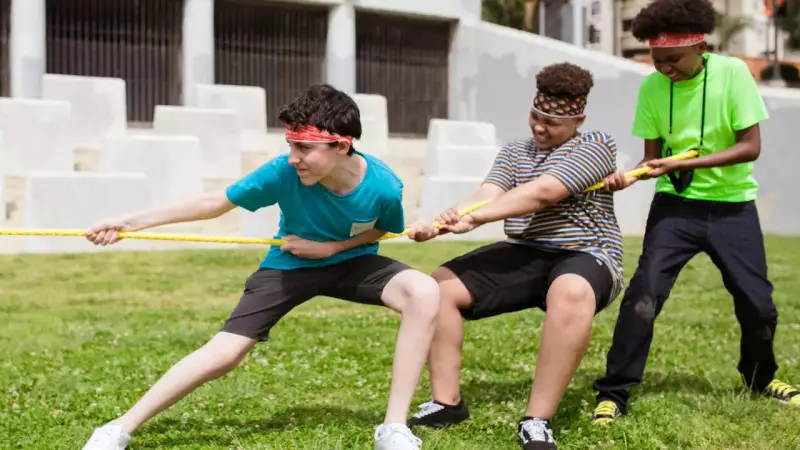
In an era of rapid urbanisation where playgrounds are shrinking and digital screens are omnipresent, the call for children to engage in sports has never been more urgent. As highlighted in a recent lifestyle discourse, the shift from outdoor play to indoor screen time poses a significant challenge to holistic child development. The message is clear: encouraging kids to pick up a sport is not a mere extracurricular option but a fundamental need for their growth into well-rounded individuals.
Building More Than Athletes: Confidence and Character
The primary goal of youth sports should extend far beyond trophies and professional aspirations. The true power of sports lies in their profound impact on a child's character. Regular participation in athletic activities helps mould confident, disciplined, and socially adept individuals. The playground becomes a training ground for life, where children learn to interact, collaborate, and build self-esteem through achievement and teamwork.
Establishing Lifelong Pillars of Health and Habit
Introducing sports early on, ideally beginning in school, plants the seed for a lifetime of physical well-being. However, this encouragement must not stop at the school gate. Parental involvement is crucial in motivating children to step out of the house and engage with peers in physical play. This consistent practice does more than just improve fitness; it actively reduces the risk of lifestyle-related diseases in adulthood and instils a routine of self-care that children can own and pursue independently.

The Great Screen Detox and Life Skill Academy
One of the most immediate benefits of sports is its role as a compelling alternative to passive screen consumption. It ensures children stay physically active for sustained periods, breaking the cycle of digital dependency. On the field, they naturally develop strength, stamina, coordination, and flexibility. More importantly, they absorb invaluable life lessons. Sports teach decision-making under pressure, resilience in the face of setbacks, and the discipline to set and achieve goals.
These skills translate directly to personal and academic life. Furthermore, having a sport to look forward to after school provides a healthy routine and something to anticipate beyond the home. Perhaps one of the most enduring gifts of sports is the opportunity to forge life-long friendships and learn the intricacies of teamwork and overcoming challenges as part of a group. In essence, a sport becomes a child's own world—a space for growth, joy, and discovery that lays a robust foundation for a healthy and confident future.