

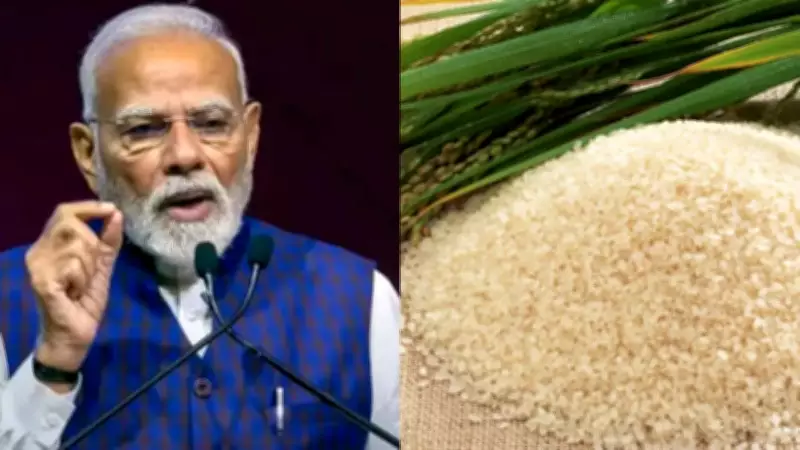
Gifting is often viewed as a kind gesture in human relationships as it helps express emotions like love, gratitude, respect, and appreciation. A thoughtful gift strengthens bonds between people and nations too. Prime Minister Narendra Modi recently concluded his five-nation tour of the United Arab Emirates (UAE), the Netherlands, Sweden, Norway and Italy. Keeping the essence of gifting alive, he presented a range of culturally significant culinary items to the world leaders. And as they say, connection built over food is forever. Take a look at the 10 traditional Indian foods that PM Modi gifted world leaders during his 5-nation tour.
Kesar Mango
President Sheikh Mohamed bin Zayed Al Nahyan of the UAE was gifted Kesar Mango. This is a GI-tagged mango variety native to Gujarat, known for its bright saffron-colored pulp. It is cultivated mainly around the Gir forest region and the Junagadh district. It is best used for aamras, desserts, and juices.
Meghalaya Pineapple
President Sheikh Mohamed bin Zayed Al Nahyan of the UAE was also gifted Meghalaya Pineapple. It is also a GI-tagged fruit associated with the Khasi Pineapple grown in the Ri-Bhoi region of Meghalaya, known for its exceptional sweetness, aroma, and organic cultivation practices. These pineapples are widely enjoyed fresh and are also used in juices, desserts, jams, and processed food products.

Loktak Tea
According to reports PM Modi gifted Swedish Prime Minister Ulf Kristersson a small-batch of Loktak tea from Manipur. It is a unique variety of tea grown in the scenic region around Loktak Lake in Manipur and is known for its refreshing flavor, pleasant aroma, and smooth taste. According to experts, this tea is cultivated in the clean and fertile environment of the surrounding hills. The tea reflects the rich biodiversity and natural beauty of the region.
Melody Toffee
Melody toffee was gifted to the Prime Minister of Italy Giorgia Meloni. It is an iconic Indian chocolate that offers a unique combination of caramel and chocolate flavors. It has a creamy chocolate center that gives a rich cocoa-like flavor and the outer layer is chewy caramel, adding buttery sweetness and a slightly toffee-like taste.
Red Rice (Matta/Palakkadan Matta)
PM Modi presented a curated basket of India's finest grains to Dr Qu Dongyu, Director General of the Food and Agriculture Organisation (FAO) of the United Nations. It included Red Rice also known as Matta/Palakkadan Matta. It is a traditional rice variety mainly cultivated in the Palakkad district of Kerala and has a reddish-brown color, bold grains, and rich nutritional value. This rice retains its outer bran layer, making it high in fiber, vitamins, and minerals, and it has received a GI (Geographical Indication) tag as well.
Gobindobhog Rice
He was also presented Gobindobhog rice from West Bengal. It is a premium indigenous rice variety traditionally cultivated in districts such as Burdwan, Hooghly, and Nadia. This GI-tagged rice is commonly used in preparing festive dishes like khichuri, pulao, payesh, and offerings in religious rituals, and it is known for its natural fragrance and superior cooking quality.
Joha Rice
The basket also included Assam's Joha rice from the Brahmaputra valley. The word “Joha” comes from the Assamese word meaning “fragrant.” This rice is usually small-grained and is widely used in preparing traditional Assamese dishes, festive meals, and special occasions. This rice is awarded a GI (Geographical Indication) tag for helping preserve its authenticity and supporting local farmers.
Basmati Rice
Basmati rice from the Indo-Gangetic plains was also gifted. It is a world-famous long-grain aromatic rice known for its delicate fragrance, slender grains, and soft fluffy texture after cooking. It is widely cultivated in the states of Punjab, Haryana, Himachal Pradesh, Uttarakhand, and parts of Uttar Pradesh. It is mostly used for dishes like biryani, pulao, and fried rice due to its rich aroma and excellent cooking quality.

Kalanamak Rice
The basket also included UP's special Kalanamak rice, also known as Buddha Rice. It is believed to have historical links to the time of Gautama Buddha and is known for its unique fragrance, black husk, soft texture, and rich nutritional value, including high iron and antioxidant content. It is also a GI-tagged rice.
Jowar and Bajra Millet Bars
He was also gifted millet bars made with jowar and bajra. Jowar, also known as sorghum, is rich in fiber, protein, iron, and antioxidants, while Bajra, or pearl millet, is an excellent source of energy, calcium, magnesium, and essential nutrients. These millets are staple foods in many rural regions and are commonly used to prepare rotis, porridge, khichdi, and other traditional dishes.
