Mastering Refrigerator Door Storage: A Guide to Optimal Food Placement
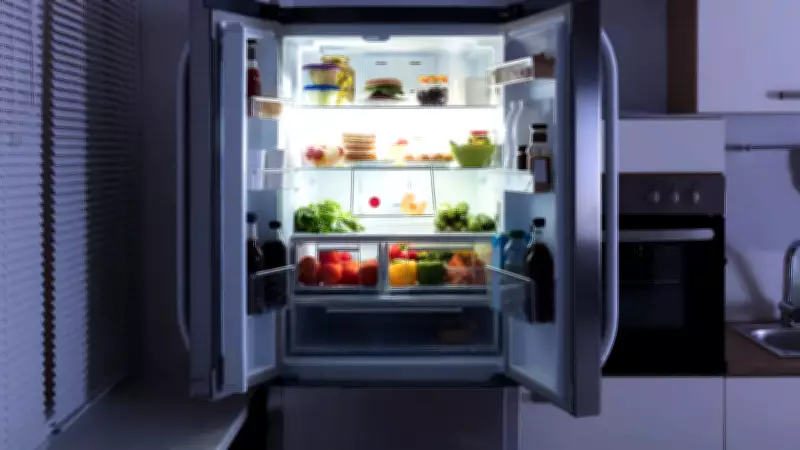
Organizing your refrigerator is both an art and a science. It requires creativity to maximize limited space and scientific knowledge to place foods based on usage, chemical composition, and shelf life. While much attention is given to the main chamber and chiller, the refrigerator door is often overlooked, typically reserved for water bottles. However, due to frequent opening, this area experiences the most temperature fluctuations and is slightly warmer than other sections. Therefore, selecting the right foods for the door is crucial for maintaining quality and safety. Here, we explore six types of foods ideal for refrigerator door storage and explain the reasons behind these choices.
1. Juices: A Convenient and Stable Choice
Pasteurized juices are an excellent option for the refrigerator door. Experts note that their processing eliminates harmful bacteria, ensuring stability over extended periods. Storing them in the door is safe because minor temperature changes do not affect their chemical composition, and they do not require the coldest part of the fridge. This placement also offers easy access for a quick drink without compromising quality.
2. Soft Drinks: Designed for Door Storage
Soft drinks and flavored beverages are well-suited for the refrigerator door. Similar to juices, many of these products are formulated to be shelf-stable before opening and remain non-perishable afterward, tolerating slight temperature variations. The door's structure helps keep them securely positioned, reducing leakage risks after opening and ensuring they are within reach for regular consumption.

3. Pickles and Chutneys: Preserved for Accessibility
Packaged pickles and chutneys are a smart choice for door storage. Preserved in brine—a mix of salt and vinegar—their acidic environment inhibits harmful bacterial growth, making them highly resistant to spoilage. According to experts, keeping these items in the door allows for easy access, and they can handle temperature fluctuations without issues.
4. Jam and Jellies: Sweet and Practical
From breakfast toast to dessert puddings, jam and jellies are frequently used, making the door an ideal spot. High sugar content acts as a natural preservative by reducing moisture available for microbial growth. Once opened, refrigeration is necessary, but they do not need the coldest section. Considering their regular use, the door provides a convenient location.
5. Butter: A Dairy Exception
Butter can be stored in the refrigerator door if used within a short period. Its high fat content makes it more stable than other dairy products. Door storage keeps it slightly softer, facilitating easier spreading, though it should be consumed quickly to maintain freshness.
6. What Not to Store in the Door: Avoiding Spoilage
It is essential to know which foods to avoid in the refrigerator door. Items like eggs, milk, and meat require consistent cold temperatures for preservation and should never be placed here. Storing these perishables in the door can lead to frequent spoilage and increase the risk of foodborne illnesses. Experts emphasize that proper storage not only enhances food longevity but also reduces waste, ensuring safety and enjoyment.
In summary, strategic placement of foods like juices, soft drinks, pickles, jams, and butter in the refrigerator door can improve organization and accessibility while maintaining quality. By avoiding temperature-sensitive items, you can optimize your fridge's efficiency and keep your food fresh longer.