

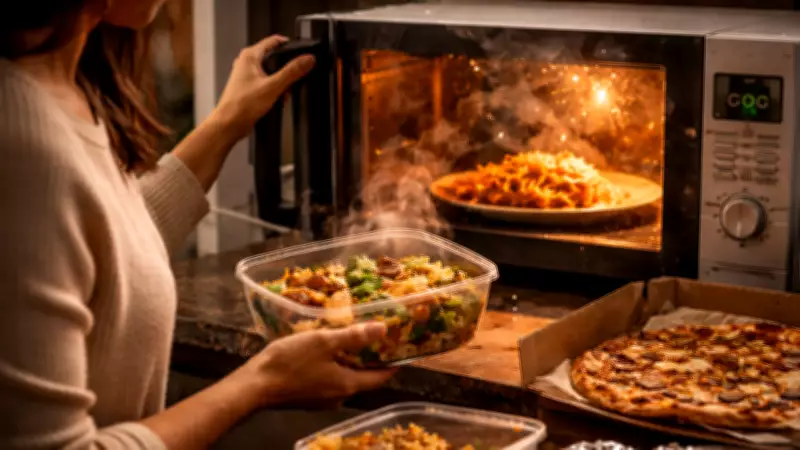
6 Common Mistakes People Make While Reheating Leftovers and How to Avoid Them
Leftovers represent one of modern life's most practical conveniences. They save precious time during busy mornings, provide quick solutions for late-night hunger pangs, and significantly reduce food waste in households that increasingly value efficiency and sustainability. However, reheating food involves far more complexity than simply pressing a microwave button and walking away. The techniques used for reheating can dramatically alter a dish's texture, flavor profile, and even its safety for consumption.
Many individuals unknowingly commit small but significant reheating errors that transform yesterday's delicious meal into something disappointingly dry, unpleasantly soggy, or strangely tasteless. Understanding what commonly goes wrong during the reheating process and learning how to correct these mistakes can elevate leftovers from feeling like second-best options to becoming intentional, satisfying meals. Here are six frequent mistakes people make while reheating leftovers along with practical solutions to avoid them.
1. Reheating Everything the Same Way
The most widespread misconception involves treating all leftovers identically. Different foods like rice, pizza, dal, grilled chicken, and pasta each respond uniquely to heat application. While microwaving works effectively for moist dishes such as curries or stews, it often ruins crispy or baked items by trapping steam and softening their desirable textures.

Pizza, for example, reheats remarkably better on a skillet or in an oven where dry heat helps restore its original crispness. Rice benefits from added moisture during reheating, while roasted vegetables require proper airflow to regain their caramelized edges. Selecting an inappropriate reheating method frequently explains why leftovers can feel lifeless and unappealing. The fundamental rule remains straightforward: always match your reheating technique to the food's original cooking style.
2. Skipping Moisture When Reheating
Dry, unappetizing leftovers rarely result from initial overcooking but typically suffer during the reheating process. Heat rapidly evaporates moisture, particularly in microwave environments, leaving rice unpleasantly hard, chicken unpleasantly chewy, and rotis disappointingly stiff.
Adding a small splash of water, broth, or even covering food with a damp paper towel can completely transform the outcome. Steam gently revives food rather than aggressively drying it out. Consider reheating as a rehydration process rather than cooking the food again from scratch.
3. Using High Heat to Save Time
When hunger strikes urgently, cranking up the heat feels efficient and time-saving. In reality, this approach creates uneven results: scorching hot edges alongside cold centers. Proteins become rubbery, sauces separate unpleasantly, and delicate ingredients lose their balanced flavors.
Low to medium heat allows warmth to distribute gradually throughout the food, preserving both texture and flavor integrity. Whether using a stovetop or microwave, slower reheating consistently produces superior results. Effective reheating emphasizes control and patience rather than speed.
4. Not Stirring or Flipping Midway
Many leftovers heat unevenly because people simply set a timer and walk away. Microwaves, in particular, create hot and cold pockets due to how electromagnetic waves interact with varying food densities.
Stirring curries halfway through reheating, flipping cutlets, or rotating containers ensures consistent heat distribution. Without this crucial step, portions of the dish overcook while others remain disappointingly lukewarm—a combination that negatively impacts both taste and food safety. A quick mid-reheat adjustment can make the difference between patchy warmth and restaurant-quality consistency.
5. Reheating Food Straight from the Refrigerator
Cold food placed directly into intense heat often reheats poorly. The outer layer warms rapidly while the interior remains chilled, necessitating longer heating times that inevitably dry out the surface.

Allowing leftovers to sit at room temperature for 10–15 minutes before reheating helps them warm more evenly. This brief pause reduces thermal shock and enables gentler reheating. While seemingly subtle, this technique represents a standard practice in professional kitchens worldwide.
6. Reheating Leftovers Repeatedly
One of the most frequently overlooked mistakes involves reheating the same batch multiple times. Each heating cycle degrades texture, dulls flavor complexity, and increases bacterial growth risks if food spends excessive time in temperature "danger zones." Instead, reheat only the portion you plan to consume immediately.
Keeping remaining food properly refrigerated and untouched preserves both quality and safety. Leftovers should extend a meal's enjoyment, not gradually destroy it through repeated, improper reheating cycles.
By avoiding these common reheating mistakes and implementing these practical solutions, you can transform your leftover experience. Proper reheating techniques ensure that yesterday's meals maintain their original appeal while providing convenient, satisfying nourishment for today's busy lifestyles.
