7 Common Kitchen Foods That Originated in Ancient Persia
Open almost any kitchen cupboard, and you will find quiet traces of Persia woven into your daily meals. Long before modern borders hardened and cuisines were rigidly labeled, ingredients and culinary techniques traveled extensively along ancient trade routes that linked Iran with Central Asia, the Middle East, and the Indian subcontinent. Dishes like rice pilafs, fragrant drinks, skewered meats, and jewel-like fruits moved with merchants, cooks, and cultural exchanges, gradually settling into the everyday cooking traditions of diverse regions. Many foods we now consider familiar staples carry that distant Persian influence, a testament to centuries of culinary migration and adaptation. Here are seven foods in your kitchen that actually came from Persia, each with a rich history and simple preparation tips.
Pilaf: A Persian Rice Export
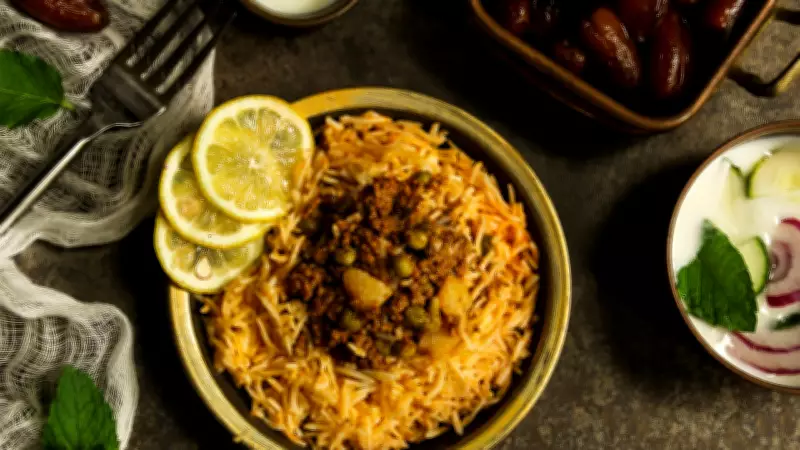
Pilaf stands as one of the clearest Persian exports in kitchens worldwide. The word itself is Persian, and in traditional Persian cooking, it is more than a mere side dish; it is a full, respectable meal often built around rice that is meticulously seasoned and cooked with other ingredients. To make a basic version at home, rinse basmati rice until the water runs clear, sauté onion in butter or oil, add the rice, and stir in stock, salt, and a pinch of cumin. Cover tightly and cook low and slow until the grains are perfectly fluffy. Finish with toasted almonds or fresh herbs for an authentic touch.
Kebab: A Term with Persian Roots
Kebab also comes through Persian culinary traditions; authoritative sources like Britannica note that the term derives from a Persian word for the dish. While the concept of skewered and grilled meats traveled widely across cultures, the Persian connection remains embedded in the name itself. For a simple home version, mix cubes of chicken or lamb with yogurt, lemon juice, garlic, paprika, black pepper, and salt. Let it marinate for at least an hour, then grill, broil, or pan-sear until browned and juicy. Serve with onions, flatbread, and a squeeze of lime to enhance the flavors.

Tandoor Bread: Oven Origins in Persia
Tandoori cooking is widely believed to have originated in Persia, with the tandoor oven remaining central to this culinary style. This historical link helps explain why so many flatbreads and char-kissed breads across the region feel like close cousins. At home, you can make a soft dough with flour, yeast, yogurt, salt, sugar, and warm water. Let it rise, roll it out, then bake it on a hot tray or cast-iron pan until puffed and beautifully spotted. Brush with butter and garlic while still warm for an aromatic finish.
Sharbat: The Persian Iced Drink
The word sherbet originates from the Persian sharbat, referring to an iced fruit drink. In the Persian world, it was never just a dessert or a simple refreshment; it was an integral part of the daily rhythm of heat, hospitality, and recovery. A quick version is easy to prepare: simmer sugar and water with lemon peel, then add lemon juice, rose water, mint, or pomegranate juice. Chill well and pour over ice. For a richer texture, add basil seeds or chia after soaking them separately.
Biryani: A Layered Legacy from Persia
Biryani is another dish often traced back to Persian culinary traditions before it evolved into the richly layered versions beloved across India today. The name itself is believed to come from the Persian word biryan, which refers to rice that is fried or roasted before cooking. Over centuries, the dish traveled with Persian influences into the royal kitchens of the Indian subcontinent, where local spices, regional ingredients, and diverse cooking styles transformed it into the aromatic, celebratory meal now associated with cities like Hyderabad, Lucknow, and Kolkata.

Saffron Rice: A Golden Persian Signature
Saffron is one of the oldest Persian signatures in global cuisine. Historical records, such as those from Encyclopaedia Iranica, note that saffron may have been first cultivated on the Iranian plateau, which helps explain why Persian rice dishes wear that gold color so naturally. The spice is treasured not only for its luminous colour but also for its subtle aroma, which adds warmth, floral sweetness, and quiet complexity to even the simplest rice preparations. To make it, crush a few saffron threads between your fingers, steep them in hot water or warm milk for 10 minutes, then stir the liquid into cooked rice. Use it with butter, a little salt, and maybe a handful of raisins or fried onions for a fuller, more flavorful dish.
Pistachios and Pomegranate: Native Persian Ingredients
Pistachios and pomegranates both carry deep Persian roots in culinary history. The pistachio tree is widely believed to be native to Iran, where the nut has been cultivated and prized for centuries. Pomegranates, too, are closely tied to the region’s agricultural history and appear frequently in Persian cooking, symbolism, and poetry. In traditional Persian cuisine, both ingredients are valued for their vivid colour and balanced flavour, often used to add brightness, richness, and a subtle sweet-tart contrast to a wide range of dishes, from salads to desserts.