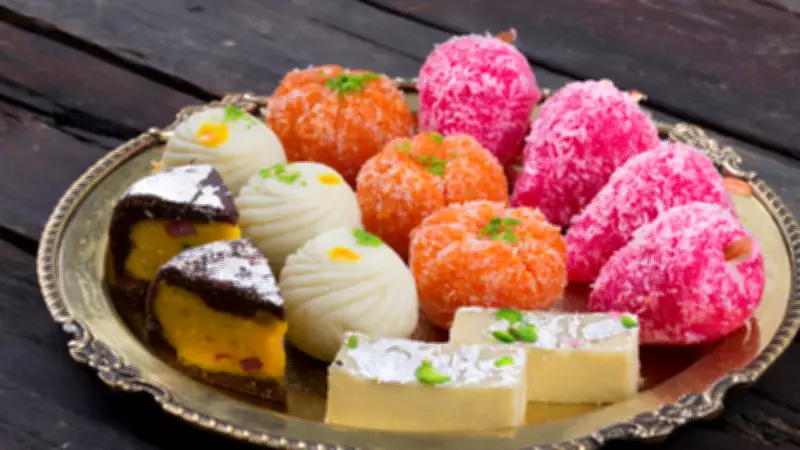
In India's premium dining scene, the priciest foods are often ordinary. They are ingredients that travel far, demand painstaking harvesting, or carry a luxury story that makes them as much status symbols as meals. From spices pulled by hand from a flower to seafood matured over decades, these dishes and garnishes sit at the top end of the market. They appear on fine-dining menus, in kitchens, and occasionally in festive showpieces that are built to impress before they are tasted. Here are eight of the most expensive foods associated with India's luxury table, with their calorie counts at a glance.
Saffron
Saffron remains the headline luxury ingredient in India, prized for its color, aroma and the sheer labor behind every strand. It is used sparingly in biryanis, desserts and festive drinks, but its tiny quantities hide a high price tag. The calorie count is about 310 per 100 g, though a pinch adds almost none to a serving.
Caviar
Caviar sits firmly in the luxury bracket, with its delicate roe and polished restaurant image. In India's high-end dining rooms, it is often served as a showpiece rather than a staple, which is exactly the point. It carries about 252 calories per 100 g, making it rich enough in texture without being overly heavy in energy.

White Truffle
White truffles are the kind of ingredient chefs treat almost like perfume: a little goes a long way. Their price comes from rarity, difficult harvesting and a short season, not from size. Calories stay low at roughly 30 to 35 per 100 g, which only adds to their reputation as a luxury accent.
Bluefin Tuna
Bluefin tuna has become a luxury staple in omakase counters and sushi bars that cater to top-end diners. Its silky texture and scarcity keep it expensive, while the calorie count stays relatively modest at about 144 per 100 g. That contrast is part of its appeal: refined, prized and surprisingly light on the plate.
Bird's Nest Soup
Bird's nest soup carries old-world prestige, and its high price comes from harvesting and cleaning the nests by hand. In luxury Asian dining, including premium Indian menus, it is valued as much for symbolism as flavor. A serving has about 112 calories, keeping it light despite its elite reputation.
Matsutake Mushrooms
Matsutake mushrooms are rare, aromatic and closely tied to luxury cooking. Their scarcity and seasonal appeal push them into the expensive-food conversation, including in top Indian restaurants that feature imported ingredients. They come in at about 207 calories per 100 g, giving them more substance than many other delicate fungi.
Edible Gold Leaf
Edible gold leaf is pure culinary spectacle. It adds a luxurious shimmer to sweets, desserts and celebratory dishes, often appearing in high-end restaurants and premium confectionery. Its value comes from the craftsmanship involved in producing ultra-thin sheets of gold and its association with exclusivity. Since edible gold is biologically inert and not absorbed by the body, its calorie contribution is effectively zero. It is luxury on the plate, but not a source of nutrition.