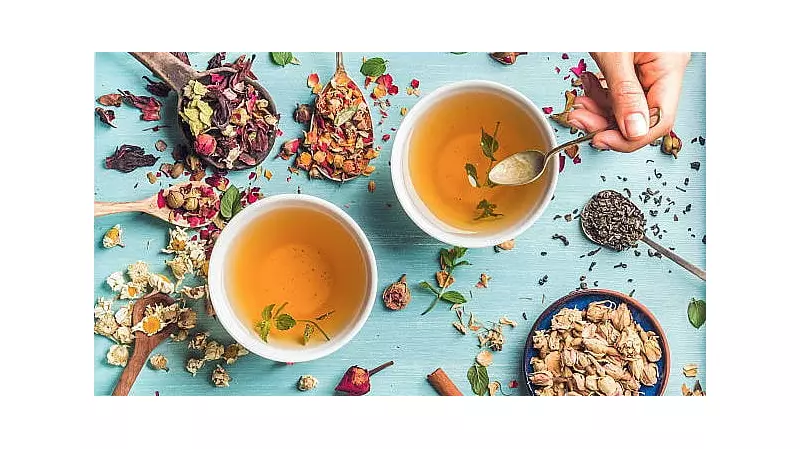
India's food regulator has issued a clear directive to standardize what can be sold and branded as 'tea' in the market. The Food Safety and Standards Authority of India (FSSAI) has mandated that only products derived from the Camellia sinensis plant can legally carry the name 'tea'. This move aims to eliminate consumer confusion and ensure accurate labeling across the food industry.
Defining 'Tea' with Botanical Precision
The core of the FSSAI order is a strict botanical definition. The term 'tea' is now exclusively reserved for beverages made from the leaves of the Camellia sinensis plant. This includes all traditional varieties like black tea, green tea, white tea, and oolong tea, which all originate from this specific plant species. The order was officially released on 25 December 2025 and is targeted at all food business operators (FBOs) to ensure compliance.
The Exception for Instant Tea and Herbal Infusions
The regulatory framework does provide one key exception. According to the FSSAI, the only other product permitted to retain 'tea' in its name is 'instant tea' in solid form. This refers to the powdered or granulated mix intended to be dissolved in water. All other products, popularly known as herbal teas, must now be accurately labeled.

This means beverages made from tulsi (holy basil), chamomile, ginger, hibiscus, or any other herbs and spices cannot be simply sold as 'tea'. They must be clearly identified using terms such as:
- 'Herbal infusion'
- 'Ayurvedic kadha'
- 'Tisane'
- Or a descriptive name like 'ginger and lemon drink'
Implications for Consumers and the Industry
This clarification from FSSAI has significant ramifications. For consumers, it promises greater transparency. Shoppers will now know exactly what they are purchasing—whether it is true tea containing caffeine from Camellia sinensis or a caffeine-free herbal infusion. This aids in making informed dietary and health-related choices.
For food businesses, including major brands and small-scale producers, the order necessitates a review of product labels and marketing materials. Products currently branded as 'herbal tea' or 'green tea' that do not contain Camellia sinensis must undergo rebranding to align with the new standards. The move is expected to bring more discipline to the fast-growing wellness beverage segment and protect the integrity of traditional tea.
The directive underscores FSSAI's ongoing effort to streamline food categorization and labeling under India's food safety laws. By enforcing precise terminology, the authority aims to foster fair trade practices and prevent the misleading of consumers in a bustling and diverse market.