The Global Staple: Rice as a Nutritional Powerhouse
Rice stands as the most widely consumed ingredient across the globe, serving as a primary source of calories for over half of the world's population, with a particularly strong presence in Asian diets. Nutritionally, it is recognized as a low-fat food rich in complex carbohydrates, essential vitamins, and vital minerals, making it a cornerstone of daily nutrition in many cultures.
Understanding Rice Classification and Cultivation
Rice plants thrive in tropical and subtropical regions, with various strains developing distinct physical characteristics based on their geographic origin, local climate conditions, and traditional processing techniques. Recognizing these classifications is crucial, as each type demands specific preparation methods to achieve optimal texture and flavor.
From Basmati to Black Rice: Mastering 10 Essential Varieties
Basmati Rice: The Aromatic Long Grain
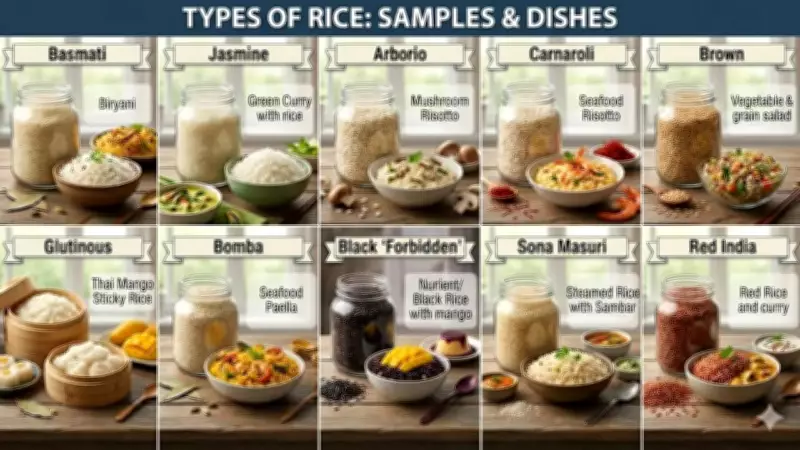
Basmati rice is a premium long-grain variety celebrated for its delicate aroma and slender grains that expand notably during cooking. Primarily cultivated in India and Pakistan, it undergoes aging to enhance its flavor and texture. When prepared correctly, basmati remains light, separated, and elongated, making it ideal for dishes like biryani and pulao where it absorbs spices without becoming sticky. Proper cooking involves thorough rinsing and precise water ratios to preserve its structure. It pairs excellently with grilled meats, curries, and lentils, offering a subtle flavor that complements rather than dominates other ingredients.

Jasmine Rice: The Fragrant Staple of Southeast Asia
Jasmine rice, a long-grain variety from Thailand, becomes soft and slightly sticky when cooked, contrasting with basmati's fluffiness. Its adhesive texture allows it to cling well to sauces, making it perfect for Thai curries and stir-fry dishes. The grains are short and plump, sticking together without excessive gumminess. Known for absorbing flavors effectively, jasmine rice serves as a robust base for highly seasoned foods. It is typically cooked with minimal washing to retain starch, and its fragrant aroma and tender texture make it a daily staple in Southeast Asian cuisine.
Arborio Rice: The Creamy Italian Short Grain
Arborio rice is a short-grain Italian variety renowned for its high starch content, which contributes to a creamy consistency. It maintains a slight crunch at the center while becoming tender and creamy on the outside through slow heating and constant stirring, allowing gradual liquid absorption. Unlike fluffier rices, Arborio should not separate; its binding properties are essential for dishes like risotto. Its taste harmonizes beautifully with cheese, mushrooms, and seafood, creating rich, cohesive meals.
Carnaroli Rice: The King of Italian Rices
Carnaroli rice is often hailed as the king of Italian rices due to its superior cooking qualities. Compared to Arborio, it contains more starch and retains its shape better during preparation, making it ideal for larger food items and upscale cuisine. Chefs favor Carnaroli for risottos that require a rich taste and firm structure with individual grains remaining intact, ensuring a luxurious dining experience.
Brown Rice: The Nutritious Whole Grain
Brown rice is a whole grain that retains the bran and germ after milling, giving it a nutty flavor and chewy texture. Its minimal processing preserves significant nutritional value, including fiber, vitamins, and minerals. Cooking time is longer than white rice due to the bran layer. Brown rice pairs well with vegetables, legumes, and lean proteins, fitting seamlessly into both simple and complex recipes with its earthy undertones.
Glutinous Rice (Sticky Rice): The Versatile Binder
Glutinous rice, commonly known as sticky rice, clumps together when cooked due to its high starch content, despite being gluten-free. Predominantly used in East and Southeast Asian dishes, it is typically steamed to achieve a cohesive texture. This rice is versatile, appearing in savory options like dumplings and sweet treats such as rice cakes, easily molded or shaped thanks to its binding properties.

Bomba Rice: The Spanish Absorption Expert
Bomba rice is a short-grain Spanish variety famous for absorbing up to three times its volume in liquid without breaking down. It maintains its structure after cooking, making it the top choice for paella, where it soaks up rich flavors from sofrito without turning mushy. The grains remain firm and separate yet infused with cooking liquid, requiring careful preparation for uniform absorption.
Black Rice (Forbidden Rice): The Antioxidant-Rich Delight
Black rice, historically called forbidden rice due to its royal consumption in certain regions, features a dark purple-black hue rich in anthocyanin antioxidants. When cooked, it turns a deep purple with a mild sweetness and nutty taste. Suitable for both sweet and savory dishes, from salads to puddings, it is prized today for its superior flavor and high nutritional content.
Sona Masuri Rice: The South Indian Daily Staple
Sona Masuri rice is a medium-grain variety popular in South India for home cooking. With a light texture and mild aroma, it is versatile in dishes like Pongal, curd rice, and steamed rice paired with sambar or chutneys. Easy to digest and quick to cook, it is an ideal daily food that adapts to various culinary styles.
Red Rice: The Fiber-Rich Whole Grain
Red rice is a whole-grain rice that keeps its bran layer, resulting in a reddish color and nutty flavor. Highly nutritious and fiber-rich, it is a traditional grain in many diets, with firm grains requiring longer cooking than white rice. Commonly used in Indian and Sri Lankan regional dishes, it complements coconut-based curries and simple sides, offering distinct taste and health benefits.