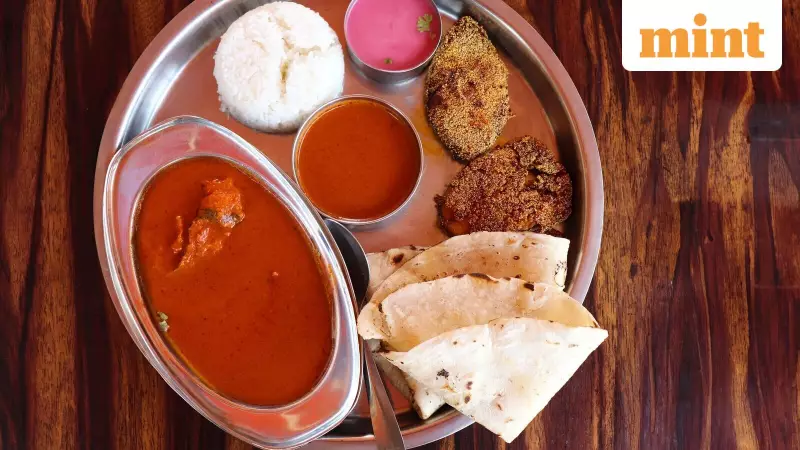
The story of Mumbai's beloved Mangalorean seafood restaurants is deeply woven into the city's industrial and social fabric. Many of the iconic eateries that dominate food guides today trace their origins back to the 1970s. Their founders followed a path strikingly similar to the earlier wave of Kanara migrants who set up food establishments in Bombay over three decades before.
The Gritty Genesis: From Teenage Migrants to Restaurant Owners
These pioneers were often teenage boys when they arrived in the big city. They took up low-paying jobs, shared cramped living quarters, attended night schools, and painstakingly worked their way up. This narrative is perfectly embodied by the story behind Jai Hind Lunch Home, now a chain of six popular eateries. Its founder, Dasu Shetty, left Mangalore for Bombay at seventeen. He initially worked as a mill hand at the now-defunct Jupiter Mills in Lower Parel and later at a local khanaval.
Khanavals were informal canteens that proliferated with the rise of the textile industry, offering cheap meals to labourers, often segregated by caste and community. Dasu Shetty worked at one operating from a shed, catering largely to Maharashtrian mill workers who paid a monthly fee. His big break came in 1978 when a building was constructed on the plot, and he was allotted a space in the new structure, marking the birth of Jai Hind Lunch Home.

Crisis, Cooking, and Culinary Innovation
The restaurant initially served Mangalorean staples like chicken sukka and fish curry. The business faced a severe crisis in 1982 when a major strike led by union leader Datta Samant brought the already struggling textile industry to a halt. With its primary clientele of mill workers gone and the cook deserting, Dasu's son, Harishchandra Shetty, was forced to step into the kitchen.
This unforeseen turn of events proved to be a blessing for Mumbai's food lovers. Harishchandra's decade-long stint as the cook led to experiments that created Jai Hind classics, such as the legendary stuffed bombil – spicy shrimp wrapped in fried Bombay Duck. The restaurant's fame for the crispiest bombil fries was born from this period of adversity.
Urban Transformation and Changing Tastes
Jai Hind's wider reputation blossomed in the 1990s, coinciding with the dramatic transformation of Lower Parel. The area, once part of the vast mill lands of Girangaon, morphed into a forest of luxury high-rises alongside persistent chawls. This urban shift, driven by mill owners selling real estate rather than reviving industry, displaced workers but created a new office-going population demanding dining options.
Shetty adapted by introducing trendy Malvani food to the menu, noting its slight difference from Mangalorean cuisine lies in the use of pre-ground masala. Despite the acclaim, Shetty and other Mangalorean restaurateurs maintain a matter-of-fact attitude towards their food, viewing it simply as the home-style cooking they grew up with.
This sentiment is echoed by Mahendra Karkera of the famed Mahesh Lunch Home, who was almost surprised by questions about recipe development. Started in 1977 on Cowasji Patel Road in Fort by his father S.C. Karkera, the restaurant's journey mirrors the classic migrant tale: arriving as a teen, working in a canteen, attending night school. The family also ran the vegetarian Jai Bharat Hindu Hotel (renamed Shivala in 1992) near Victoria Terminus, catering to office-goers including journalists.
Today, these establishments stand as flavorful monuments to Mumbai's ever-changing landscape, built on the resilience, hard work, and culinary traditions of Mangalorean migrants who turned struggle into succulent success.