

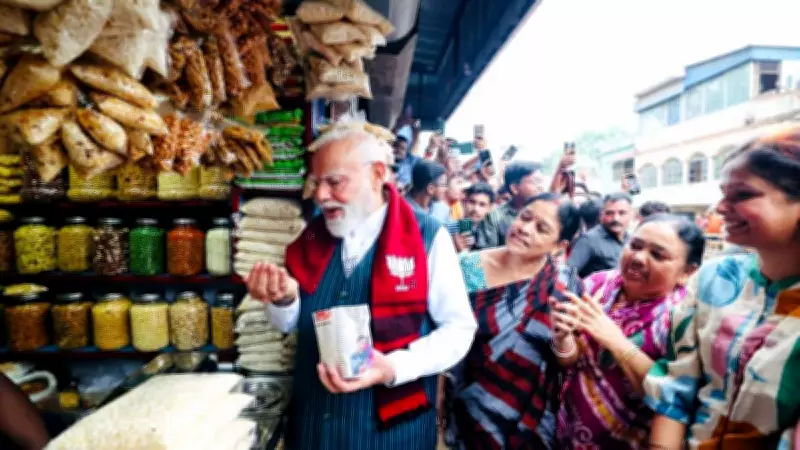
PM Modi's Culinary Endorsement Fuels Jhaal Muri Frenzy
Prime Minister Narendra Modi has inadvertently sparked a massive culinary trend across India by simply mentioning his fondness for Kolkata's beloved street food, Jhaal Muri. This casual reference during a recent public interaction has sent food enthusiasts, home cooks, and professional chefs into a frenzy, all eager to replicate the authentic flavors of this iconic snack.
The Humble Snack That Captured the Nation's Attention
Jhaal Muri, a quintessential Kolkata street food, is a simple yet flavorful concoction made from puffed rice, mixed with an array of spices, chopped vegetables, peanuts, and a tangy tamarind sauce. Its name literally translates to "spicy puffed rice," and it is renowned for its perfect balance of heat, tang, and crunch. Traditionally sold by street vendors from large metal containers, it is a staple for locals and a must-try for visitors to the City of Joy.
The Prime Minister's mention has not only highlighted this regional delicacy but also spurred a wave of interest in traditional Indian street foods. Social media platforms are now flooded with posts, videos, and tutorials showcasing various interpretations of the Jhaal Muri recipe. Food bloggers and influencers are sharing their versions, often adding personal twists while striving to maintain the dish's authentic essence.

How to Make Authentic Kolkata-Style Jhaal Muri at Home
For those inspired to try their hand at this snack, here is a detailed guide to creating a classic Jhaal Muri:
- Base Ingredients: Start with 2 cups of fresh, crisp puffed rice (muri). Ensure it is not stale to maintain the desired crunch.
- Vegetable Mix: Finely chop 1 small onion, 1 medium tomato, and a handful of fresh coriander leaves. You can also add boiled potatoes or cucumber for extra texture.
- Spice Blend: In a small bowl, mix 1 teaspoon of roasted cumin powder, 1/2 teaspoon of red chili powder, 1/2 teaspoon of chaat masala, and salt to taste. Adjust the spice levels according to your preference.
- Tamarind Sauce: Prepare a tangy sauce by soaking a small ball of tamarind in warm water, extracting the pulp, and mixing it with a pinch of black salt and sugar. This adds the characteristic sour-sweet note.
- Assembly: In a large bowl, combine the puffed rice, chopped vegetables, and 2 tablespoons of roasted peanuts. Sprinkle the spice blend evenly and drizzle the tamarind sauce. Toss everything gently to coat without making the puffed rice soggy.
- Serving: Serve immediately in paper cones or bowls, garnished with extra coriander and a squeeze of lemon juice for an added zing.
This recipe emphasizes simplicity and freshness, key to capturing the street-side magic. Many variations include adding sev (crispy chickpea noodles), mustard oil, or even a dash of green chili paste for extra heat.
Broader Impact on Indian Street Food Culture
The phenomenon surrounding PM Modi's Jhaal Muri mention extends beyond just a recipe trend. It has ignited conversations about preserving and celebrating regional Indian cuisines, often overshadowed by global fast-food chains. Food historians and culinary experts note that such endorsements can significantly boost local economies and promote cultural heritage.
In Kolkata, street vendors have reported a noticeable increase in demand for Jhaal Muri, with both locals and tourists seeking out the authentic experience. This surge highlights how political figures can influence culinary trends, inadvertently supporting small-scale food businesses and traditional practices.
Moreover, the trend aligns with a growing movement towards homemade and healthy snacking alternatives. Jhaal Muri, being relatively low in calories and customizable, fits perfectly into modern dietary preferences, making it a popular choice for health-conscious individuals.
As the craze continues, it serves as a reminder of the rich diversity of Indian street food, from Mumbai's Vada Pav to Delhi's Chaat, each with its unique story and flavor profile. PM Modi's simple mention has, therefore, not only popularized a single dish but also fostered a broader appreciation for India's vibrant food culture.






