

The Evolution of Food: From Ancient Sustenance to Cultural Heritage
Food has always been an integral part of human existence, evolving from simple fruits that fueled early civilizations to complex cooked dishes that define cultures today. This transformation is driven by human ingenuity and effort, continuously adapting and innovating. Among these culinary marvels is a unique steamed dish that has become a staple in many lives, rooted in tradition and living heritage, ultimately changing the destiny of an entire village.
The Origin of Ramassery Idli: A Legacy Born from Necessity
Ramassery Idli, often hailed as the King of Idlis, is a culinary wonder deeply embedded in its origins and preserving a legacy that spans generations. Native to the quiet village of Ramasseri near Palakkad, Kerala, this dish begins selling daily at 8:30 AM from a small shop, a routine that has, over the years, revolutionized the village's economy. The making of Ramassery idlis is a closely guarded family secret, passed down through generations, with the Sree Saraswathy Tea Stall, also known as the Ramassery Idli Kada, being one of the few places where they are crafted from 5 AM to 11 AM each day.
This no-frills eatery attracts diners not only from across Kerala but from other states as well, drawing crowds with its authentic offerings. According to the Kerala Tourism website, local lore credits the creation of this idli to Chittoori Ammal, an ancestor of Smitha Vijayakumar, who started making them to support her family when weaving, their primary occupation, became unsustainable. Initially sold to laborers and farm workers, the idli gained popularity for its remarkable ability to stay fresh for up to a week. Today, Smitha, the fifth generation to uphold this tradition, travels throughout Kerala, including to cities like Thiruvananthapuram and Kozhikode, to showcase her culinary craft.

The impact is profound: tourist cars now line up outside the shop, making it a major source of income for the village and placing Ramassery on India's culinary map.
What Makes Ramassery Idli Unique: A Culinary Anomaly
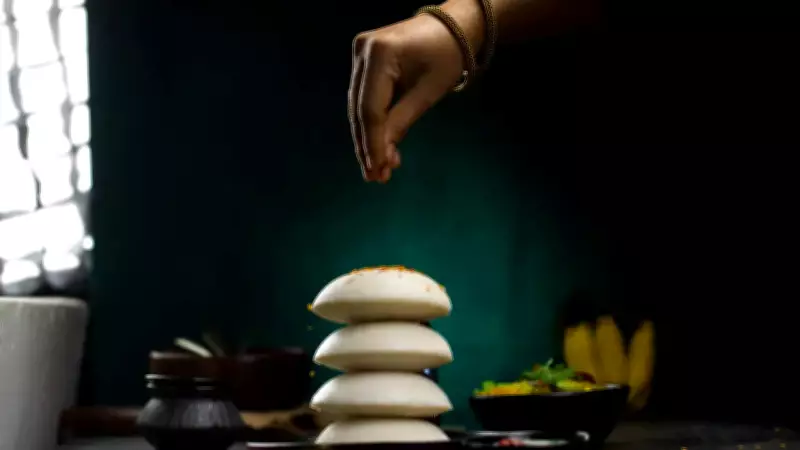
At first glance, Ramassery Idli does not resemble the conventional idli at all. It is flat like a dosa yet soft and spongy like an idli, featuring a distinctive meshed pattern from being steamed on muslin cloth. The preparation involves a specific proportion of rice and urad dal, soaked overnight and ground into a batter. This batter is poured onto square pieces of cloth stretched over circular sieve-like clay steamers placed on aluminum pots. This traditional method, combined with the secret recipe, imparts the idli its unique texture and flavor.
The idlis are steamed in stacks of three, with a blackened aluminum pot at the base on a gas stove. Historically, they were cooked on firewood stoves using earthen pots and only tamarind tree firewood, adding to their authentic character.
Taste of Generations: A Symbol of Heritage and Community
For the people of Ramassery, this idli is more than just food; it is a symbol of their heritage and identity. Served with accompaniments like creamy coconut milk stew, coconut chutney, tomato chutney, and a fiery podi (spiced powder), it enhances the dining experience with rich flavors. According to tourism reports, an average day sees around 600 to 700 idlis made, with production soaring to 1,500 on weekends to meet high demand. The Sree Saraswathy Tea Stall has expanded its reach, opening a branch in Guruvayur to bring the iconic Ramassery idlis to a broader audience.
Ramassery Village has firmly etched its name on India's food map, thanks to the exceptional Ramassery idli. This dish serves as a reminder that food transcends mere taste, embodying a rich culinary tradition that connects generations and communities.

