

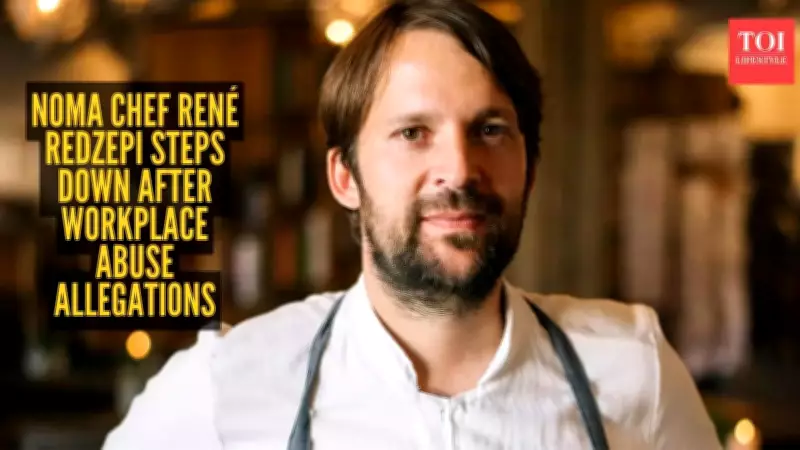
René Redzepi Resigns from Noma Following Toxic Workplace Culture Investigation
The culinary world has been rocked by a seismic shift as René Redzepi, the visionary chef behind Noma—often hailed as the most famous restaurant on Earth—has officially stepped down from his leadership role. This decision comes in the wake of a damning investigation that exposed a deeply troubling workplace culture behind the scenes of this culinary icon.
The Investigation That Sparked the Crisis
The catalyst for Redzepi's departure was a comprehensive investigation by The New York Times, which revealed allegations from former employees describing an environment far removed from the restaurant's polished public image. Former staff members reported a culture of humiliation and physical aggression, with claims including being punched in the chest as punishment and facing physical confrontations over minor errors in food presentation. One ex-cook described the daily experience as akin to "going to war," highlighting the severe psychological toll of working in such a high-pressure setting.
Redzepi's Public Apology and Admission
On March 12, Redzepi addressed the controversy directly on Instagram, posting a video of a speech to his staff. In his caption, he expressed candor, acknowledging that while Noma had attempted to reform its culture in recent years, these efforts could not erase past transgressions. He admitted that a simple apology was insufficient and stated that stepping away was necessary to protect the current team. Redzepi referred to Noma as the "restaurant of the decade" and his staff as family, yet his resignation underscores the gravity of the situation.

A Complete Break from Leadership Roles
Redzepi's exit represents a total disengagement from his professional responsibilities. He has not only left the Noma kitchen but also resigned from the board of MAD, the nonprofit organization he founded to advocate for improvements in the hospitality industry. This move adds a layer of irony, as the chef who once championed industry reform now finds himself at the center of its most pressing issues.
The Future of Noma and Industry Reforms
Despite the upheaval, Noma is not closing its doors. The restaurant plans to proceed with its high-profile residency in Los Angeles, and Redzepi has expressed confidence in the current leadership team. In response to the scandal, Noma has initiated an independent, third-party review of its workplace policies. Recent changes, such as ending unpaid internships and implementing a four-day workweek, indicate steps toward modernization, but the crisis reveals that significant challenges remain. Noma's legacy includes being named the world's best restaurant five times by The World's 50 Best Restaurants, a record that now stands in stark contrast to the allegations.
Broader Implications for the Culinary World
This scandal extends beyond Noma, forcing the entire culinary industry to confront long-standing issues. As a three-Michelin-star establishment and a frequent top finisher on global best lists, Noma set the gold standard for excellence. The exposure of its toxic culture raises critical questions about the human cost behind culinary perfection. It challenges whether the pursuit of flawless dishes justifies abusive practices in kitchens worldwide.
The resignation of René Redzepi may signal the end of an era dominated by "unbalanced" celebrity chefs, prompting a reevaluation of values in high-end dining. While Noma is likely to survive this transition, the incident serves as a wake-up call for the industry to prioritize ethical workplace environments alongside culinary innovation.

