

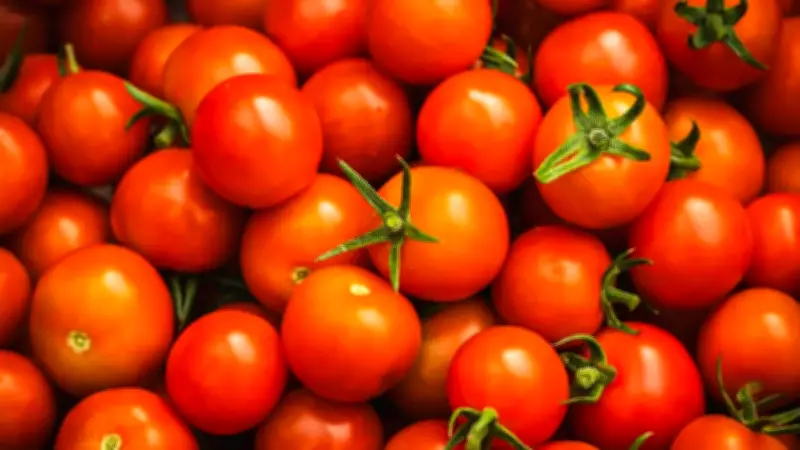
The Hidden Danger on Your Tomatoes: Why Plain Water Isn't Enough
Tomatoes are a kitchen staple, featured in countless dishes from curries to salads. However, many people overlook a critical step in their preparation: proper washing. While rinsing tomatoes under tap water may remove visible dirt, it fails to address the pesticide residues that cling to their surface. This oversight can pose health risks, as tomatoes are delicate fruits that allow pesticides to adhere firmly and sometimes penetrate their skin.
The Pesticide Problem in Tomato Farming
During certain seasons, farmers face significant pest challenges, leading to heavy pesticide use on crops. As a result, these chemicals often remain on tomatoes by the time they reach your kitchen. Water alone is insufficient for removing these residues because it cannot effectively dissolve or dislodge chemical contaminants. The smooth texture of tomatoes further complicates cleaning, making plain water washes misleadingly inadequate and potentially giving a false sense of cleanliness.
An Effective Solution: The Saltwater Method
A superior approach involves using a saltwater solution to clean tomatoes. This method helps loosen pesticide residues and surface contaminants more effectively than plain water. To implement it, mix one teaspoon of salt into a liter of water, then fully submerge the tomatoes in the solution. Allow them to soak for 15 to 20 minutes, enabling the salt to break down residues on the skin.

Post-Soaking Steps for Optimal Cleanliness
After soaking, remove the tomatoes and rinse them thoroughly under running water. Gently rub their surfaces to eliminate any remaining dirt. Finally, dry the tomatoes with a cloth or kitchen towel before cooking. This process not only cleans the tomatoes but also ensures they are safe for consumption, reducing exposure to harmful chemicals.
Important Precautions to Consider
- Timing is Key: Always wash tomatoes just before use, not before storage, to prevent moisture buildup that can cause spoilage.
- Avoid Over-Soaking: Soaking tomatoes for too long may soften them excessively. If tomatoes are spoiled, consider peeling them before use.
- Additional Measures: For extra precaution, blanching tomatoes in hot water to peel the skin is an option, especially for those concerned about deeper contamination.
Understanding the Limitations of the Saltwater Method
While the saltwater method is effective at removing surface pesticide residues, it has limitations. If chemicals have seeped into the inner layers of the tomato, this technique may not completely eliminate them. Nonetheless, it represents a significant improvement over plain water rinsing, offering enhanced cleanliness and reduced chemical exposure.
A Small Change for Significant Health Benefits
Adopting this simple saltwater practice can make a meaningful difference in daily food safety without requiring special ingredients or excessive effort. By ensuring your tomatoes are properly cleaned, you contribute to a healthier diet and overall well-being. Sometimes, minor adjustments in routine habits, such as how you wash vegetables, can have a profound impact on your health.

