

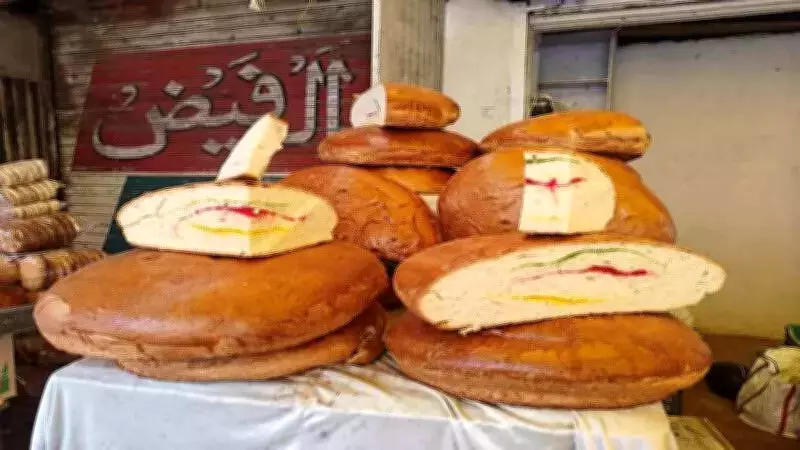
Burhanpur's Sheer Naan Emerges as Premier Ramzan Delicacy Across India
The historic city of Burhanpur in Madhya Pradesh has given India one of its most cherished Ramzan specialties: Sheer Naan. This soft, thick, and mildly sweet bread, generously stuffed with dry fruits, has transformed from a local favorite into a pan-Indian phenomenon during the holy month of fasting.
A Culinary Tradition Born from Mughal Heritage
While Sheer Naan is now intrinsically linked to Burhanpur, its culinary lineage traces back to the grandeur of Mughal kitchens. As an important administrative center during Mughal rule, Burhanpur became a melting pot where North Indian and Central Asian food practices converged through royal patronage and bustling trade routes.
Local historians and residents believe Sheer Naan evolved from Sheermal, a traditional mildly sweet bread associated with Mughal cuisine. "The idea of Sheer Naan came from Mughal-era breads such as Sheermal," explained 70-year-old Imran Qureshi, a lifelong Burhanpur resident. "But bakers in Burhanpur added more dry fruits and made it thicker, giving it a distinct local taste. It became a Ramzan speciality that people now look forward to every year."

The Anatomy of a Ramzan Staple
What makes Sheer Naan particularly special is its carefully balanced composition:
- Base Ingredients: Refined flour and milk form the foundation
- Dry Fruit Medley: Cashews, almonds, raisins, and chironji (Almondette kernels)
- Finishing Touch: A garnish of sesame seeds adds texture and flavor
This combination creates a bread that is both filling and energy-rich, making it particularly valued during Ramzan. "This special naan from Burhanpur is now known well beyond the city," said Mohammed Arif, a local resident. "When eaten at sehri, it helps maintain energy throughout the day of fasting. That is why most rozedars prefer it during Ramzan."
Evening Rush at Burhanpur Bakeries
During Ramzan, bakeries across Burhanpur experience a daily phenomenon as residents queue each evening to purchase Sheer Naan for iftar (the meal to break the fast) and sehri (the pre-dawn meal before fasting begins). The demand has created a vibrant economic ecosystem around this traditional bread.
Syed Wasim, who started his bakery in Mandi Bazaar 28 years ago, recalled the evolution: "The bakeries here initially made toast, bread and regular naan. During Ramzan, the demand for naan increased, and we bakeries began adding dry fruits to make it richer, giving it a distinct taste."
The tradition has become intergenerational for many families. "My parents and grandparents had also eaten this naan and now me and my children also relish this bread," shared Abdul Bashid, a local businessman whose family has lived in Burhanpur for over eight decades.
From Local Specialty to National Phenomenon
What began as a Burhanpur specialty has expanded far beyond the city's boundaries. Bakeries report receiving regular orders from:
- Neighboring districts in the Nimar belt including Khandwa, Khargone, and Barwani
- Major cities across Maharashtra, Gujarat, and Rajasthan
- Through travelers carrying the bread to relatives nationwide
The accessibility of Sheer Naan contributes significantly to its widespread popularity. Prices range from a modest Rs 10 to Rs 80 depending on size and ingredient quality, making it available to people across economic backgrounds.
Preserving Tradition in Modern Times
As Sheer Naan continues to gain recognition across India, it represents more than just sustenance during Ramzan. It embodies the living culinary heritage of Burhanpur, connecting contemporary food practices with centuries-old Mughal traditions while adapting to modern tastes and distribution networks.
The annual Ramzan rush for Sheer Naan has become both a cultural ritual and economic driver for Burhanpur, ensuring that this unique culinary tradition remains vibrant and relevant for generations to come.

