

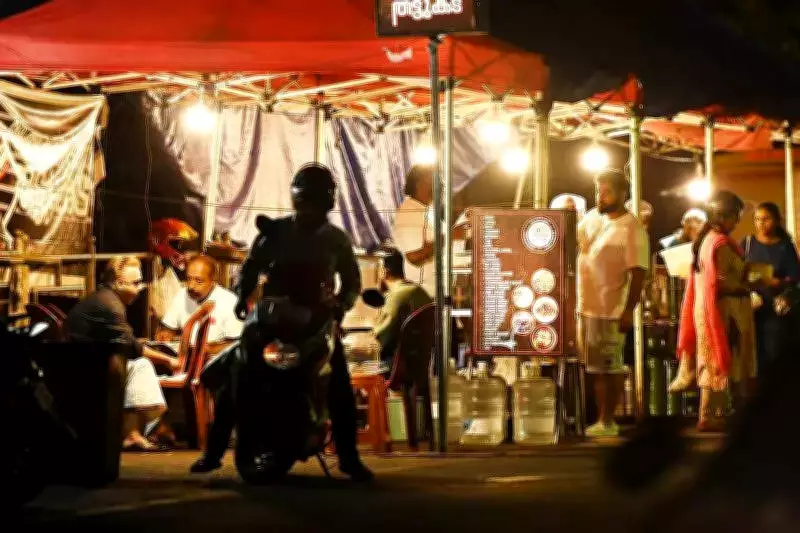
Thiruvananthapuram Street Food Popularity Masks Severe Hygiene Monitoring Crisis
Street food in Thiruvananthapuram remains immensely popular among culinary enthusiasts and represents a significant economic opportunity for small entrepreneurs. However, the quality and safety of food served at these bustling joints largely escape proper scrutiny and regulation.
Appeal and Accessibility Drive Demand Despite Risks
Consumers are consistently drawn to street food vendors because the offerings are typically delicious, considerably more affordable than restaurant meals, and provide a unique, casual dining atmosphere. This combination of factors has fueled a remarkable proliferation of street food stalls across the city and its suburbs.
Critical Staff Shortages Cripple Inspection Efforts
With vendors multiplying rapidly, the state's food safety department finds itself critically understaffed and unable to effectively monitor quality and hygiene standards. Official guidelines mandate two food safety inspectors per assembly constituency, but current personnel levels fall far short of this requirement, leaving countless food units uninspected.

The monitoring challenge is compounded by operational complexities. In many cases, food is prepared in off-site kitchens and then transported to vending locations, making it nearly impossible for authorities to trace and inspect the actual cooking facilities. Furthermore, numerous vendors simply set up temporary plastic tables and chairs during lunch hours to sell packed meals prepared at home, operating completely outside any regulatory framework.
Unlicensed Operations and Recent Tragedy Highlight Dangers
Numerous night-time stalls operating near areas like Cotton Hill, Kesavadasapuram, and Kuravankonam fail to display any form of licensing from the city corporation or registration certificates from the food safety department. Many vendors openly admit they have not yet obtained the necessary food safety licences.
The gravity of the situation was underscored by a recent tragic incident where two individuals died after dining at a seafood restaurant in Vizhinjam. While authorities await laboratory results from food samples to determine the exact cause, this event starkly reveals the absence of a robust system or adequate resources for the food safety department to properly oversee street vendors.
Suburban and Tourist Areas Present Additional Challenges
The city corporation has estimated there are approximately 3,500 street food vendors operating within Thiruvananthapuram, though this figure is considered a rough approximation. The regulatory situation is reportedly even more dire in suburban regions.
P Gopakumaran Nair, a regular patron of street food, observed, "In places like Kovalam and Vizhinjam, it seems almost every household sets up an eatery in front of their home. There is virtually no monitoring happening." These beach-side stalls also attract tourists, particularly because formal restaurants in tourist hotspots like Kovalam are often prohibitively expensive.
Official Response and Contradictory Claims
Commissioner of Food Safety Afsana Perween stated, "We are in the process of registering street food vendors. The quality of food is being checked. The respective food safety officer will inspect the kitchens used by vendors. We are also conducting awareness programmes. The hygiene and food quality standards here are far better compared to other states."
However, this official assertion contrasts sharply with ground realities. Even after recent efforts to fill vacancies, the existing number of food safety inspectors remains grossly inadequate to handle the dual burden of monitoring both established restaurants and the ever-growing multitude of street food vendors.
The combination of high public demand, insufficient regulatory staffing, widespread unlicensed operations, and complex supply chains creates a perfect storm where public health risks may go undetected until serious incidents occur.

