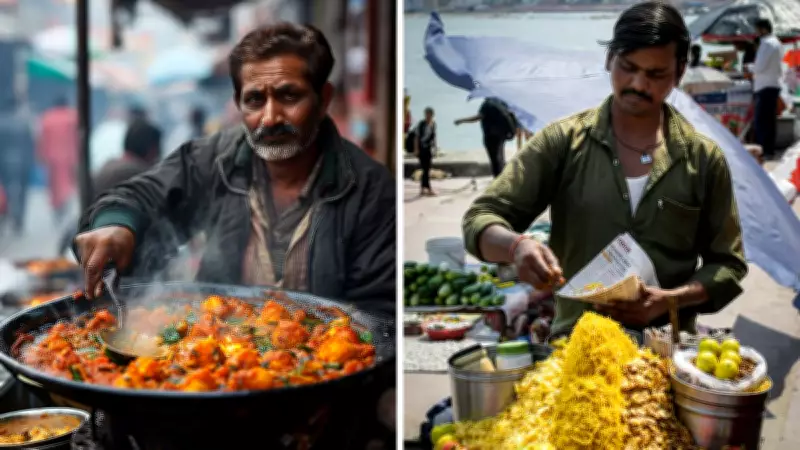
Summer Street Food Safety: Navigating Health Risks with Expert Tips
As temperatures soar during the summer months, the allure of street food becomes irresistible for many. However, this season also brings heightened health risks associated with consuming food from outdoor vendors. The combination of heat, humidity, and improper handling can turn a delicious treat into a source of foodborne illnesses. Understanding these dangers and adopting preventive measures is crucial for enjoying street food safely.
Understanding the Health Risks of Summer Street Food
The primary concern with street food in summer is the rapid growth of bacteria and pathogens. High temperatures create an ideal environment for microorganisms like Salmonella, E. coli, and Staphylococcus to multiply quickly in food items. Common street foods such as chaat, golgappas, and fried snacks are particularly vulnerable if not prepared or stored correctly. Contamination can occur through unclean water, improper cooking, or exposure to dust and insects.
Symptoms of foodborne illnesses often include nausea, vomiting, diarrhea, stomach cramps, and fever. In severe cases, especially among children, the elderly, or those with weakened immune systems, these conditions can lead to dehydration and require medical attention. The risk is exacerbated by factors like inadequate refrigeration, lack of handwashing facilities, and reused cooking oil, which are common in many street food setups.

Essential Safety Tips for Consumers
To minimize health risks, follow these practical tips when indulging in street food during summer:
- Choose vendors wisely: Opt for stalls that appear clean and organized. Look for vendors who use gloves or utensils to handle food, and avoid those where raw and cooked items are mixed.
- Observe food preparation: Watch how the food is made. Ensure it is cooked thoroughly and served hot, as heat kills most bacteria. Be cautious with raw ingredients like chopped vegetables or chutneys that may have been exposed.
- Check for hygiene: Notice if the vendor washes hands regularly and uses clean water. Stalls with a steady flow of customers often have fresher food, reducing the chance of spoilage.
- Avoid high-risk items: Steer clear of foods that are prone to spoilage, such as dairy-based dishes or pre-cut fruits, unless you are confident in their freshness. Opt for items that are cooked on the spot.
- Stay hydrated safely: Drink packaged water or beverages from sealed containers to avoid waterborne diseases. Avoid ice unless you know it is made from purified water.
Long-Term Health Implications and Prevention
Repeated exposure to contaminated street food can lead to chronic health issues, including gastrointestinal disorders and weakened immunity. To protect yourself, consider carrying hand sanitizer and eating soon after purchase to prevent bacterial growth. Educating vendors about basic food safety practices, such as proper storage and handling, can also contribute to a safer street food culture. By being vigilant and making informed choices, you can enjoy the vibrant flavors of street food without compromising your health during the hot summer months.