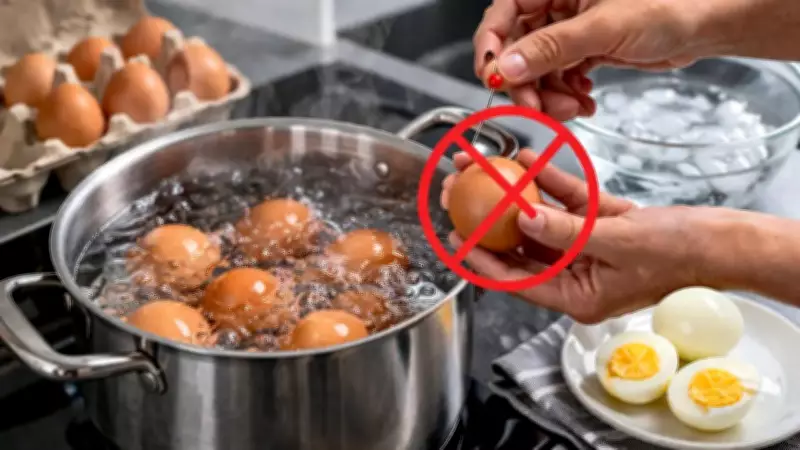
Food Safety Alert: Why Piercing Eggshells Before Boiling Is a Dangerous Practice
Hard-boiled eggs are a staple in many kitchens, prized for their simplicity and versatility. However, even minor adjustments to their preparation can significantly impact both safety and quality. One common kitchen hack involves puncturing the eggshell before boiling, often touted as a method to prevent cracking and ease peeling. Despite its popularity, this practice poses serious risks that outweigh any perceived benefits.
The Risks of Piercing Eggshells: A Bacterial Gateway
According to expert guidance from the American Egg Board's Egg Safety Center, piercing eggshells before boiling is strongly discouraged. The eggshell acts as a natural barrier against microorganisms, and puncturing it compromises this protective layer. This creates hairline cracks that can allow bacteria to penetrate the egg, even during or after cooking. Once inside, pathogens like Salmonella may survive the boiling process, increasing the risk of foodborne illnesses.
Piercing undermines the egg's structural integrity, making it more susceptible to contamination. Even a tiny hole from a pin or needle can serve as a direct channel for bacteria, exposing the egg to harmful microbes. This vulnerability is particularly concerning given that eggs are often stored and consumed without further cooking, heightening the potential for health hazards.

Hidden Dangers: Cracks and Reduced Shelf Life
Beyond immediate contamination, piercing can lead to invisible micro-cracks that weaken the shell. These cracks may expand during boiling, further compromising the egg's safety. When stored, bacteria can infiltrate through these openings, reducing shelf life and posing ongoing health risks. This makes proper handling and storage critical for maintaining food safety.
Debunking the Benefits: Are Piercing Techniques Worth It?
Some advocates claim that piercing helps release trapped air, prevents cracking, and simplifies peeling. While there is limited scientific support for air expansion during boiling, these advantages are inconsistent and unreliable. In contrast, the dangers of bacterial contamination are well-documented and significant. Therefore, the risks far outweigh any minor conveniences, making piercing an unsafe practice.
Safe Alternatives for Perfect Boiled Eggs
To achieve crack-free, easy-to-peel boiled eggs without compromising safety, follow these proven methods:
- Start with cold water: Place eggs in a pot of cold water and gradually bring to a boil to minimize thermal shock and reduce cracking.
- Use an ice bath: After boiling, immediately transfer eggs to ice water to cool rapidly, which also aids in peeling.
- Refrigerate promptly: Store boiled eggs in the refrigerator to inhibit bacterial growth and maintain freshness.
These techniques ensure optimal results while adhering to food safety standards, eliminating the need for risky shortcuts like piercing.
Prioritizing Safety Over Kitchen Hacks
While kitchen tips can be appealing, they are not always safe or effective. Piercing eggshells before boiling introduces unnecessary dangers without tangible benefits. By following established food safety guidelines, you can enjoy fresh, safe boiled eggs every time. Remember, when it comes to food preparation, safety should always come first.