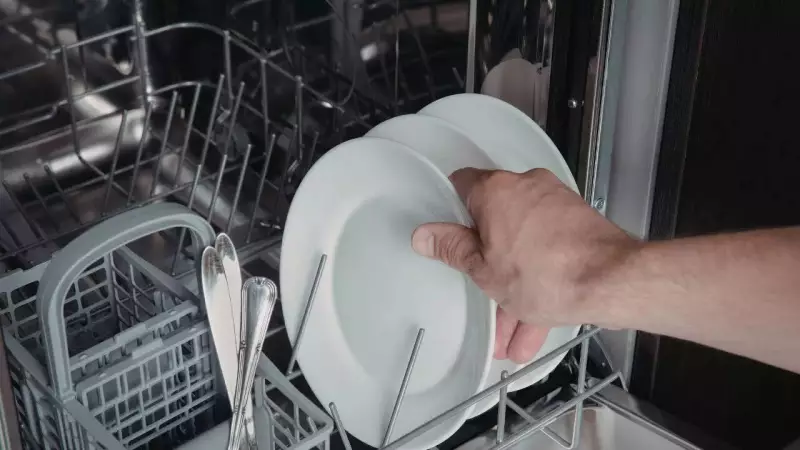
We have all stood at the kitchen sink after a meal, diligently washing plates under running tap water to remove sauce and crumbs before loading them into the dishwasher. This seems like the responsible thing to do, but what if this common practice is actually counterproductive? Contrary to popular belief, pre-rinsing dishes can prove harmful for your utensils, leading to cloudy glassware, less effective cleaning, and unnecessary waste of both water and time.
Why Modern Dishwashers Don't Need Pre-Rinsed Dishes
Modern dishwashing machines have evolved significantly, incorporating advanced technologies designed to handle the cleaning process efficiently. When you rinse dishes thoroughly before loading, you might be undermining the very systems that make these appliances effective. Understanding how these machines work reveals why this kitchen habit often backfires.
How Soil Sensors in Dishwashers Get Confused
Most contemporary dishwashers are equipped with soil sensors—miniature technologies that detect the amount of dirt on your dishes. These sensors then select an appropriate washing program based on their assessment. If you pre-rinse dishes to near-spotlessness, the sensors register "light soil" and initiate a shorter, gentler cycle. This typically involves:

- Less heat during the wash
- Less powerful water jets
- Reduced washing time
As a result, your glasses and plates may emerge from the dishwasher looking cloudy or greasy, despite having gone through a full cycle. The machine simply didn't engage its full cleaning power because it was misled by the apparent cleanliness of the load.
The Role of Food Residue in Effective Cleaning
Dishwasher detergents are formulated with enzymes specifically designed to cling to and break down food particles such as starch, proteins, and fats. When you rinse away most of the residue, these enzymes have little to nothing to latch onto, rendering the cleaning process less effective. Instead of attacking grime, the detergent may begin to decompose prematurely, failing to perform its intended magic. Leaving some food residue ensures the enzymes have material to work on, leading to better cleaning outcomes.
When Some Preparation Is Still Necessary
While pre-rinsing is generally discouraged, certain steps can help your dishwasher function optimally. It's not about eliminating all food particles, but about managing them wisely.
Scraping Off Large Food Leftovers
Before loading dishes into the dishwasher, it is crucial to remove large pieces of food like rice, pasta, or chunks of curry. This prevents potential clogs and allows the machine to focus on cleaning rather than processing bulky debris. A simple scrape with a utensil or sponge is usually sufficient.
Handling Sticky or Baked-On Foods
Items like lasagna, baked cheese, or dried sauce can harden on pans and plates, posing a challenge even for modern dishwashers. In such cases, a quick scrape or a brief soak in water can help loosen the residue without fully rinsing it away. This approach softens stubborn food while preserving enough particles for the detergent enzymes to act upon.
Why Soaking Beats Rinsing
For heavily soiled dishes, allowing them to sit in water for a few minutes is more beneficial than rinsing under the tap. Soaking softens tough grime without washing away the residues that dishwasher detergents need to grasp. This method saves water compared to continuous rinsing and prepares the dishes effectively for the wash cycle.
Embracing "Messy" Loading for Better Results
This advice might contradict everything you've been taught about dishwashing. For generations, the belief has been that clean dishes going into the machine yield clean dishes coming out. However, with modern dishwashers, this isn't always true. Trusting the machine to do its job often leads to superior results with less effort on your part. The key is to scrape well, load happily, and let the detergent and water jets handle the cleaning.

Will Dirty Dishes Clog Your Dishwasher?
A common concern is whether skipping pre-rinsing will cause food debris to accumulate and clog the dishwasher. The reassuring truth is that most contemporary dishwashers are designed to manage food residue effectively. They feature filters, grinders, and drainage mechanisms that trap and break down finer particles during the wash. As long as you remove obvious chunks like bones, peels, or toothpicks, the dishwasher should operate smoothly. Regularly cleaning the filter—a step many users overlook—is essential to maintain optimal performance.
By reconsidering your pre-rinsing habit, you can achieve cleaner dishes, conserve water, and save time. Modern dishwashers are engineered to handle the mess, so let them do their job while you enjoy the benefits of a more efficient kitchen routine.