

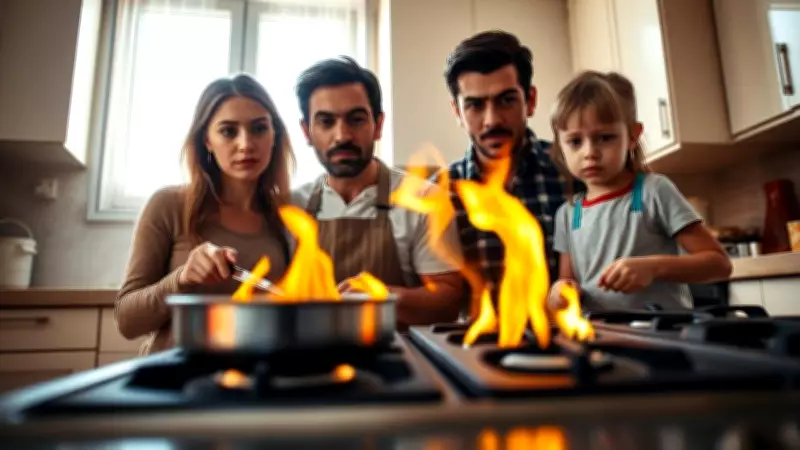
The Hidden Danger of a Yellow Gas Flame in Your Kitchen
In the heart of every home, the kitchen hums with activity, often centered around the steady blue flame of a gas stove. This blue light, emanating from the burner, is a sign of efficient and safe combustion. However, when that flame wanders from its vibrant blue hue and assumes a lethargic yellow color, it signals a potential hazard that extends far beyond mere appliance maintenance.
Why a Blue Flame Is Crucial for Safety and Health
A blue flame indicates complete combustion, where fuel and air mix in the correct proportions to burn cleanly. According to the Environmental Protection Agency (EPA), this optimal burning process minimizes the production of harmful indoor contaminants. In contrast, a yellow flame results from incomplete combustion, often caused by disruptions such as food remnants or greasy surfaces clogging the burner. This not only wastes energy but also poses serious health risks by releasing pollutants into your home's air.
The Science Behind Flame Colors and Health Impacts
Understanding the science of fire reveals why a blue flame is desirable. When fuel receives sufficient air, it burns completely, producing a blue flame. If air supply is restricted—due to clogged nozzles or other issues—the fire becomes cooler, and carbon particles do not burn fully. This incomplete combustion leads to the formation of dangerous substances like carbon monoxide and nitrogen dioxide.

Carbon monoxide is particularly hazardous because it is odorless and colorless, making it difficult to detect. Exposure to even small amounts can cause symptoms such as weakness, dizziness, and headaches, often mistaken for a common cold or seasonal fatigue. Prolonged exposure can deplete oxygen in the body, leading to more severe health complications.
Nitrogen dioxide, another byproduct, irritates respiratory passages. The EPA warns that high concentrations can inflame lung tissues and increase the risk of respiratory infections, especially for individuals with asthma or other pre-existing conditions. In poorly ventilated kitchens, these gases can linger long after cooking, creating a chemical odor or even a reddish-brown tint in the air when accumulation is excessive.
Who Is Most at Risk from Yellow Flames?
The dangers of a non-optimized gas burner are not limited to general discomfort. Vulnerable groups, including infants, the elderly, and people with cardiac or respiratory issues, face heightened risks. A yellow flame can exacerbate health problems, making it crucial to address this issue promptly to ensure a safe household environment.
Simple DIY Fixes to Restore the Blue Flame
Fortunately, in most cases, a yellow flame stems from accumulated food residue rather than a defect in the burner itself. Oils, salts, and dust can clog the small nozzles over months of use, reducing oxygen supply and causing the flame to turn yellow. A basic cleaning process can often resolve this:
- Turn off the gas supply and ensure the stove is cool.
- Remove the burner caps and heads.
- Soak the caps in soapy water to loosen grease.
- Scrub the small openings in the burner heads with a toothbrush.
- Allow all components to dry completely before reassembling.
The EPA emphasizes that maintaining clear burner ports is an effective way for homeowners to reduce indoor combustion contaminants. After cleaning, you should see the return of a steady blue flame, indicating restored efficiency and safety.
When to Seek Professional Help
If thorough cleaning does not restore the blue flame, it may indicate underlying issues such as incorrect gas pressure or a misadjusted air shutter. In such cases, professional servicing is necessary. Additionally, ensure your kitchen has adequate ventilation by using an exhaust fan or opening a window while cooking. Combining these measures with regular monitoring of flame colors can help keep your stove pollution-free and efficient for meal preparation.
By understanding the significance of flame color and taking proactive steps, you can protect your health and maintain a safe kitchen environment. Remember, a blue flame is not just about appliance performance—it's a vital indicator of indoor air quality and overall well-being.






