

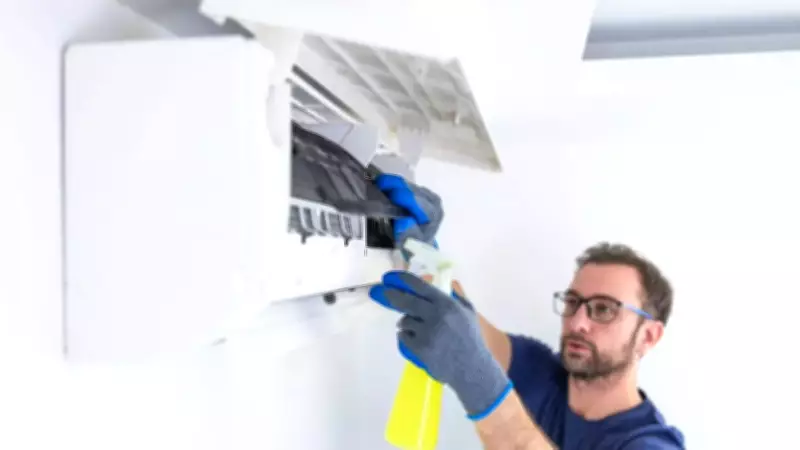
Why Pre-Summer Air Conditioner Servicing Is Critical for Home Comfort
As summer approaches, air conditioners become indispensable appliances in most households. During cooler months, many AC units remain idle or are used infrequently, leading to dust accumulation in filters and coils, while minor technical issues may go undetected. When temperatures rise, the AC must operate for extended hours daily. Without proper servicing, it may cool less effectively or even fail during peak summer days, making pre-season maintenance essential. While many homeowners hire technicians, they often lack knowledge about what checks are necessary. By asking targeted questions during servicing, you can gain insight into your AC's condition and ensure it's summer-ready.
Understanding the Importance of AC Maintenance
Air conditioners comprise interconnected components such as filters, coils, fans, and refrigerant systems. Over time, dust and dirt buildup can impair cooling efficiency, causing increased power consumption and reduced performance. Blocked airflow or dirty internal parts exacerbate these issues. Pre-summer servicing involves cleaning critical components and allowing technicians to inspect the system thoroughly. This proactive approach helps identify minor problems early, preventing them from escalating into major failures during heavy usage periods.
Five Essential Questions to Ask Your Technician During AC Servicing
1. What Components Will Be Checked During the AC Service?
Begin by inquiring about the scope of the service. Many assume AC maintenance only involves filter cleaning, but a comprehensive service includes multiple checks. Technicians typically examine air filters, indoor units, cooling coils, outdoor condenser units, fan operation, airflow, and thermostat functionality. These assessments ensure the air conditioner cools rooms effectively and maintains consistent airflow, optimizing overall performance.

2. Is the Refrigerant Gas Level Normal?
The refrigerant gas is vital for cooling, circulating within the system to chill indoor air. Low gas levels can result in inadequate cooling or prolonged operation times. During servicing, ask the technician to verify the gas level is within the appropriate range. If levels are low, they may also inspect for leaks in the system, addressing potential issues before they worsen.
3. Has the Drainage Pipe Been Cleaned?
Air conditioners not only cool but also dehumidify air, with moisture collected and expelled through a drainage pipe. Over time, dust, algae, and debris can clog this pipe, leading to water leakage from the indoor unit or pooling around the system. Requesting the technician to check and clean the drainage pipe ensures proper water flow and prevents leaks, safeguarding your home from water damage.
4. Are the Electrical Connections and Wiring Safe?
AC units rely on electrical components like switches, wires, capacitors, and control systems. Loose or damaged wiring can cause malfunctions or sudden shutdowns. During servicing, technicians should inspect electrical connections for safety and functionality. This check reduces the risk of breakdowns during intensive summer use, ensuring reliable operation.
5. Do Any Parts Need Cleaning or Replacement?
With prolonged use, certain AC parts may wear out or become obstructed. Technicians might identify components requiring cleaning or replacement, such as air filters, capacitors, fan parts, or internal elements. Timely replacement of worn parts maintains cooling efficiency and prevents future problems, extending the appliance's lifespan.
How These Questions Enhance Your AC Maintenance Strategy
By understanding basic AC repair principles, you can ensure technicians conduct thorough inspections. Asking simple questions about filters, gas levels, drainage, wiring, and part conditions empowers you to monitor your appliance's health. Regular maintenance and servicing improve AC performance in summer, keeping the system clean and prepared for prolonged cooling during hot weather. This proactive approach not only enhances comfort but also reduces energy costs and prevents unexpected failures.

