

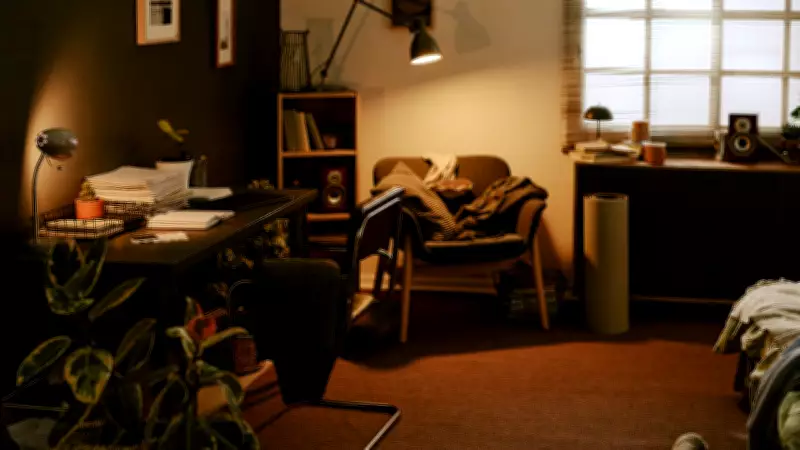
Walk into a room and something feels off. Not messy, not dirty, but somehow overwhelming. The surfaces may be clean, the floor visible, and yet the space feels crowded. The truth is, most homes don't suffer from too much stuff. They suffer from one quiet, common mistake: poor visual grouping.
Interior designers often point out that clutter is not just about quantity. It's about how the eye reads a space. As designer William Morris once said, 'Have nothing in your house that you do not know to be useful, or believe to be beautiful.' But even beautiful things, when scattered without intention, can turn against a room.
The Real Mistake: Scattered Placement, Not Excess
The biggest mistake people make is spreading items evenly across every surface. Small decor pieces, books, candles, souvenirs, each placed with care, but without connection. This creates what designers call 'visual noise.' The eye has nowhere to rest. Instead of seeing a calm, curated space, it keeps jumping from one object to another.

A shelf with ten items placed randomly looks cluttered. The same ten items, grouped into three clusters, instantly feel intentional. The difference is not the number of objects. It is the arrangement.
Why the Eye Needs Structure
Human brains look for patterns. When objects are grouped, the mind processes them as one unit instead of many. This reduces the sense of chaos. Think of a coffee table. A single tray holding a candle, a book, and a small plant feels neat. The same items scattered across the table feel messy. Nothing has changed except structure.
Designers often use the 'rule of three.' Odd-numbered groupings tend to look more natural and less rigid. But the deeper idea is balance. Give objects a relationship, and they stop competing for attention.
The Hidden Culprits: Small Things Everywhere
Large furniture rarely causes clutter. It's the smaller items that build it up. Remote controls left out, multiple cushions in different styles, tiny decor pieces on every ledge, these add up. Even wall decor can contribute. Too many frames, spaced unevenly, can make walls feel busy rather than expressive.
There is also a tendency to 'fill gaps.' An empty corner feels incomplete, so something gets added. But not every space needs to be filled. Empty space is not wasted space. It is breathing room.
How to Fix It Without Throwing Things Away
The solution is not always decluttering. It is editing and grouping. Start by clearing one surface completely. Then reintroduce items in clusters. Use trays, baskets, or books to anchor them. This creates boundaries and gives objects a sense of belonging.
Keep some areas intentionally empty. This contrast helps the eye relax. If everything is highlighted, nothing stands out. Also, repeat elements. Similar colours, textures, or materials tie objects together. A room feels calmer when there is a quiet rhythm running through it.
A Quieter, More Thoughtful Space
A well-arranged room does not demand attention. It invites it. The shift from scattered to grouped is subtle, but powerful. A home should feel like a pause, not a puzzle. And often, the difference lies in how things sit together, not how many there are.
Disclaimer: This article is intended for general home styling guidance. Design preferences may vary based on individual taste, space constraints, and cultural context.

