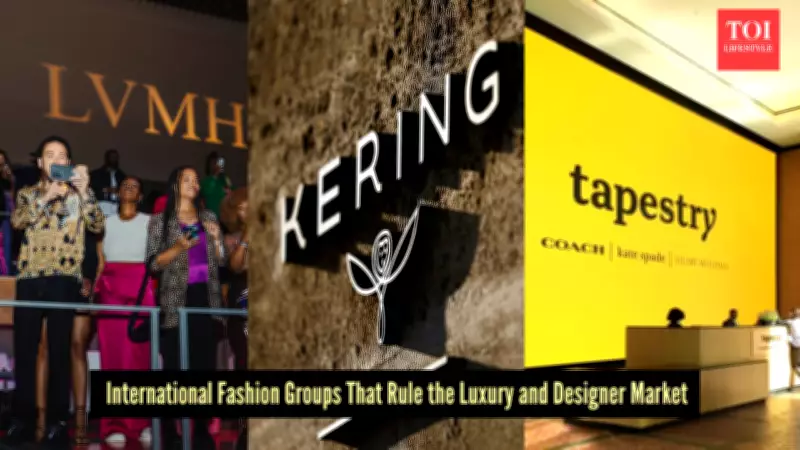
The Power Players: 5 Major Fashion Conglomerates Behind Iconic Luxury Brands
The fashion industry operates as a complex and star-studded galaxy, where iconic labels and trendsetting brands captivate consumers worldwide. However, behind these celebrated names lie powerful conglomerates that control creative direction, global distribution, and strategic growth. These fashion groups manage extensive portfolios of luxury labels, wielding significant influence over the market. Here are five of the most prominent conglomerates you should know about.
LVMH Moët Hennessy Louis Vuitton – The French Titan
LVMH stands as a colossal force in the luxury fashion and goods sector. Founded in 1987, this French conglomerate boasts an iconic and diverse portfolio that spans the globe. Its holdings include leather goods, jewelry, cosmetics, wine, spirits, fashion, and select retail items. The fashion roster under LVMH features prestigious brands such as Louis Vuitton, Loewe, Fendi, Dior, Celine, and Givenchy, among others. This extensive collection solidifies LVMH's dominance in the luxury market.
Kering – The French Innovator
Kering is another French conglomerate with a sharp focus on fashion and leather goods. Renowned for its heritage fashion houses, Kering emphasizes cutting-edge creativity while prioritizing sustainability and brand revitalization. The group manages a portfolio of high-profile brands, including Gucci, Bottega Veneta, Balenciaga, and Saint Laurent. Kering's commitment to innovation and ethical growth positions it as a key player in shaping contemporary luxury trends.

Richemont – The Swiss Craftsmanship Expert
Based in Switzerland, Richemont specializes in high-end fashion houses, particularly in jewelry and premium accessories. This luxury group is celebrated for its emphasis on heritage and meticulous craftsmanship, aiming to epitomize traditional luxury. Richemont's portfolio includes iconic jewelry brands like Cartier and Van Cleef & Arpels, as well as fashion labels such as Chloé and Alaïa. Its dedication to quality and timeless elegance sets it apart in the competitive luxury landscape.
Tapestry Inc. – The American Powerhouse
Contrary to the belief that the American luxury market lags, Tapestry Inc. emerges as a highly influential American luxury group. It owns well-known labels like Coach, Stuart Weitzman, and Kate Spade New York. Recently, Tapestry made headlines by acquiring Capri Holdings, which brought additional brands such as Jimmy Choo and Michael Kors into its fold. This strategic transaction has solidified Tapestry's position as a serious global contender, enabling it to compete directly with European conglomerates.
Prada Group – The Italian Family Legacy
The Prada Group is a family-rooted Italian conglomerate known for its forward-thinking aesthetic and refined craftsmanship. This group manages major names like Prada and Miu Miu. In a significant move in 2025, the Prada Group completed the acquisition of the luxury label Versace, marking a new era for Italian luxury. This takeover demonstrated the group's power and strategic positioning in the market, reinforcing its status as a key player in the fashion industry.
These five conglomerates—LVMH, Kering, Richemont, Tapestry Inc., and the Prada Group—are the unseen forces driving the luxury fashion world. By controlling iconic brands, they shape global trends, influence creative directions, and dominate market distribution. Understanding these power players provides insight into the intricate dynamics of the fashion industry and the strategic maneuvers that define luxury today.