Essential AC Maintenance Guide: Boost Efficiency and Prevent Damage
To ensure your air conditioning system operates at peak efficiency and performance during the hottest months, proper maintenance is the most effective strategy. Leading manufacturers like Hitachi and Electrolux report that well-maintained systems can perform 5% to 15% more efficiently than neglected ones, primarily by maintaining clear and unobstructed airflow. This comprehensive guide delves into five critical maintenance areas that will enhance your system's performance, safeguard against indoor water damage, and prevent mold growth, including issues arising from condensation within the unit. Adhering to these maintenance guidelines is recommended by all manufacturers to help lower your monthly electricity bills, extend the lifespan of your air conditioning unit, and improve indoor air quality and overall home comfort.
Essential Preparation for Servicing Your AC at Home
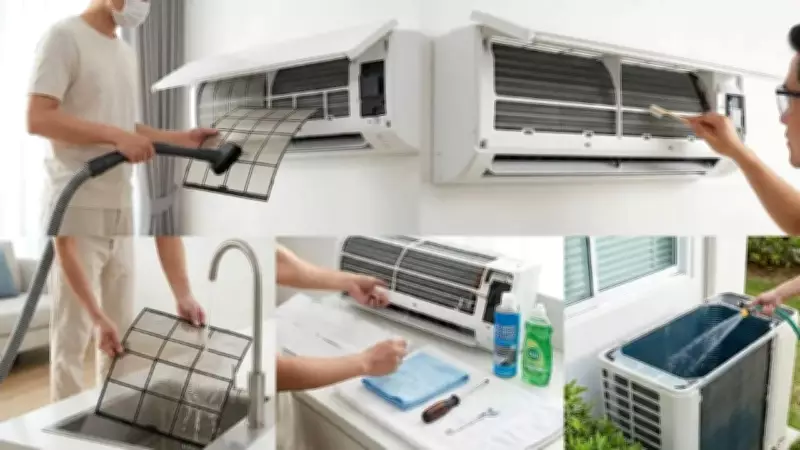
Before starting the physical cleaning process, gather the necessary tools to perform the task effectively. You will need a vacuum cleaner with a brush attachment, a soft-bristle brush such as an old toothbrush, a screwdriver, a lint-free microfiber cloth, and mild soap. Additionally, ensure you have access to both the outdoor and indoor units. Proper preparation establishes a solid foundation for servicing the air conditioning unit correctly, prevents interruptions during cleaning, and ensures delicate internal components receive the precise care required for professional-level results.
Service Both Indoor and Outdoor AC Units Without Professional Help
Power Off and Dry the AC

To avoid electrical hazards, first turn off the unit at the circuit breaker or unplug it from the wall before working inside. If the unit has been running recently, switch it to 'Fan Mode' for 30-40 minutes to evaporate accumulated moisture, making it easier to clean without creating a muddy mess.
Deep-Clean the Air Filters
After completing these steps, open the front panel and carefully slide out the rectangular filters. Use a vacuum with a soft brush to remove dirt and debris. Then, wash the filters in lukewarm water below 40 degrees Celsius with mild detergent, avoiding bleach or harsh chemicals. Do not dry the filters in sunlight, as UV rays and heat can warp the plastic mesh. Instead, allow them to air-dry completely in a shaded, well-ventilated area until bone dry before reinserting to prevent wet-sock odors and mold growth.
Sanitize the Cooling Fins and Coils
The metal cooling fins can become dirty and require cleaning. Use an air blower or soft-bristled brush to gently remove dust, taking care not to touch the fragile aluminum fins with your fingers. For a more thorough clean, apply an evaporator coil cleaner that does not require rinsing; it foams and dissolves dirt, with waste draining away through the condensate system when the unit is turned back on.
Clear the Condensate Drain Line
A clogged condensate drain line in the indoor unit often leads to water leakage into your home. Locate the condensate pan and drain line, then flush with a 1:1 mixture of distilled vinegar and water to remove algae or fungus. If the blockage persists, use a wet/dry vacuum on the outside end of the drain line to help clear it.
Clean the Outdoor Condenser Coils
The outdoor condenser unit is exposed to weather elements, accumulating dust and bird droppings quickly. Clean it by using a garden hose with a sprayer attachment to spray the metal fins from the inside out with warm or cool water. Avoid high-pressure water or power washing, which can bend the aluminum fins and restrict heat exchange. For excessive dirt, apply a specialized condenser coil cleaner, let it sit for about 10 minutes, then rinse off.
Clear the Surrounding Area
Ensure the outdoor unit has at least 2 feet (60 centimeters) of clear space around it to allow proper airflow. Remove any leaves, weeds, or obstructions that could block the fan from exhausting air, preventing compressor overheating and reducing the risk of system burnout during heat waves.