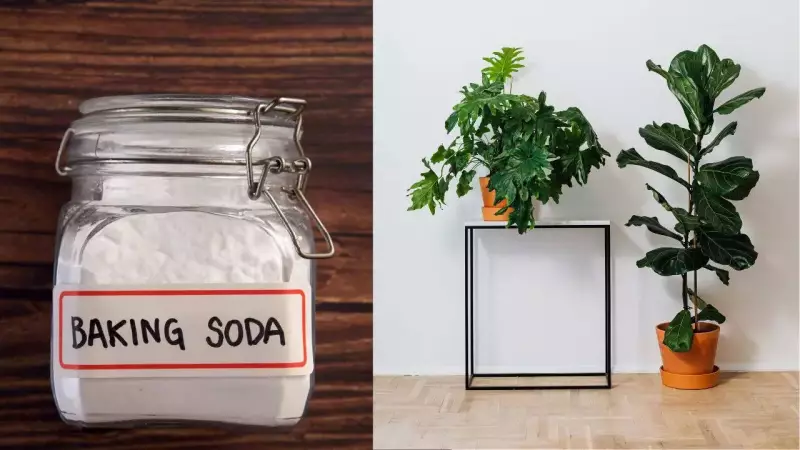
For many Indian gardeners, the quest for healthy plants often leads to the kitchen cabinet. A simple, white powder—baking soda—has quietly become a trusted ally for numerous green thumbs across the country. While it might seem unusual, this common household item is frequently hailed as a multi-purpose solution for plant woes, from fungal attacks to pest invasions. But does this kitchen staple truly nurture your garden, or could it be a hidden threat? The reality, as research indicates, is a careful balance of both benefit and risk.
The Science Behind Baking Soda and Plant Health
Is there any real evidence supporting the use of baking soda in the garden? A significant study published in The National Library of Medicine provides some concrete answers. The research examined the effect of various bicarbonates, including sodium bicarbonate (common baking soda), on Botrytis cinerea, a widespread fungal pathogen. The findings were promising: even at low concentrations, the bicarbonates were highly effective at inhibiting the growth of fungal colonies.
Scientists concluded that baking soda could serve as a cheap, green, and safe treatment option for certain superficial fungal infections. Its primary role is best as a preventive measure or for initial control rather than a complete cure for advanced diseases. This scientific backing explains why so many gardeners swear by its use.

6 Key Ways Baking Soda Affects Your Garden
1. An Eco-Friendly Fungal Fighter
Baking soda's most celebrated use is combating fungal diseases like powdery mildew. It works by altering the pH on leaf surfaces, making them less inviting for fungal spores to settle and grow. A mild solution—typically 1 teaspoon per gallon of water—sprayed on plants can act as an effective preventive spray when applied at the first sign of trouble.
2. A Simple Pest Deterrent
Gardeners often use it to discourage soft-bodied pests like aphids and ants. The mild abrasive nature and alkaline property can irritate and repel these small invaders. However, it is crucial to note that baking soda is not a full replacement for dedicated insecticides, especially for severe infestations.
3. A Temporary Soil pH Adjuster (Use With Caution)
In theory, baking soda can raise the pH of severely acidic soils. However, its effect is shallow and short-lived. For reliable, long-term pH management, traditional amendments like garden lime are recommended. Over-application can make soil overly alkaline, locking away essential nutrients from plant roots.
4. A Spot Treatment for Weeds
Sprinkling baking soda directly on weeds growing in pathways or driveways can dehydrate and kill them due to its salty, alkaline nature. This method is a non-systemic, chemical-free option for spot treatment but should be kept away from areas where you grow desired plants.
5. The Risk of Sodium Buildup
This is one of the most significant dangers. Repeated or excessive use of baking soda can lead to sodium accumulation in the soil. High sodium levels create a hostile environment for roots, hindering their ability to absorb water and nutrients, ultimately stunting plant growth and causing stress.
6. Potential for Leaf Burn
If the solution is too concentrated or applied during the heat of the day, it can cause leaf scorch or browning. Sensitive plants are particularly vulnerable. Always test on a small area first and apply during cooler parts of the day, like early morning or late afternoon.
Best Practices for Using Baking Soda in Your Indian Garden
To harness the benefits while avoiding the pitfalls, follow these key guidelines. Always dilute properly—the standard is one teaspoon per gallon of water for most applications. Conduct foliar sprays on cloudy days or during cooler hours to prevent leaf scorch. Before treating an entire plant, perform a patch test on a few leaves and wait 48 hours. Most importantly, practice moderation; regular use can disrupt soil chemistry. Be mindful of acid-loving plants like azaleas and blueberries, as alkaline sprays can harm them.

In conclusion, baking soda can be a valuable, low-cost tool in the gardener's kit for tackling mild fungal issues and small pest problems. It is, however, far from a miracle cure. Its successful use hinges on careful, informed application to prevent soil imbalance and plant stress. Ultimately, it should complement, not replace, fundamental gardening practices—proper watering, balanced nutrition, and adequate sunlight—for a truly thriving garden.
(Disclaimer: This article is intended for informational guidance only. For specific advice tailored to your plants and soil conditions, consulting a gardening expert or using a soil testing service is always recommended.)