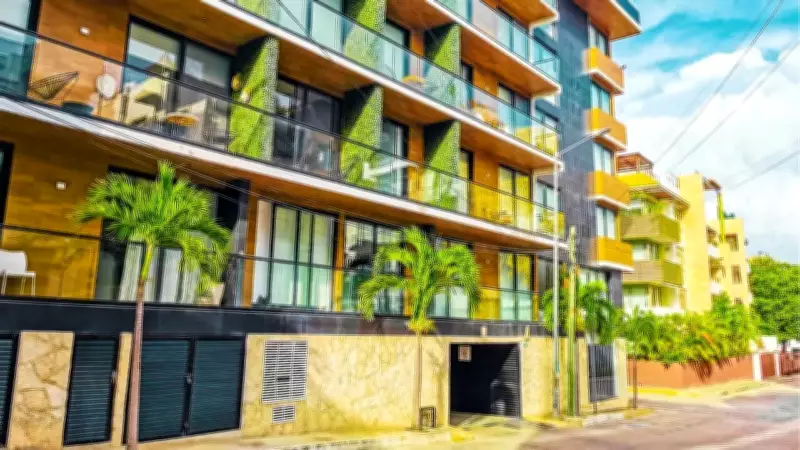
The concept of a luxury home has long been established in India, often evoking images of spacious interiors, prime locations, and extensive amenities. However, a new term—designer residences—has emerged, offering a more sophisticated perspective on upscale living. While these terms are sometimes used interchangeably, they represent fundamentally different approaches to home creation, design, and lifestyle.
Defining Luxury Homes
A luxury residence is typically defined by comfort and convenience. These homes are situated in well-connected or high-value areas and feature quality materials, efficient layouts, robust security systems, and lifestyle amenities such as clubhouses, fitness centers, and landscaped open spaces. The focus is on delivering a seamless living experience coupled with a sense of status. Design in such developments is refined and contemporary but often follows a standardized approach that can be replicated across projects to appeal to a broader buyer segment.
Understanding Designer Residences
Designer residences, in contrast, are shaped by a more deliberate and layered design process. It is not just about aesthetics; functionality for daily living is paramount. Every aspect—dimensions, materials, textures, lighting, and spatial flow—is meticulously considered to create a cohesive atmosphere. These homes result from a well-thought-out design philosophy, often involving renowned architects and designers. The goal is not to follow established formulas but to craft unique spaces where every element serves a purpose within the overall design scheme. This approach typically leads to more limited, exclusive projects that prioritize experiential quality over unit count.

Key Differences in Objectives
The distinction between these two categories lies in their underlying objectives. Luxury homes are constructed to provide spaciousness, convenience, and a lifestyle that aligns with prevailing market demands. Conversely, designer residences aim to surpass this by creating environments that embody uniqueness and a heightened focus on intricate details. Design is not merely an external embellishment but a core element of the dwelling, shaping how individuals navigate, engage with, and experience spaces over time.
Expanding Influence Beyond Metro Cities
A significant observation is the growing influence of this design-centric approach beyond urban centers. Tier-2 cities such as Jaipur, Indore, and Lucknow are witnessing a shift toward residential properties that emphasize space quality and design integrity alongside scale. These developments are increasingly characterized by improved planning, user-friendly layouts, and a judicious selection of materials responsive to local climate and environment. Modern styles that blend with surroundings are replacing simple imitations of metro-city homes, reflecting a more discerning and informed customer base.
Homebuyers now seek practicality and an overall sense of well-being, beyond physical attributes. Design has evolved from mere aesthetics to a way of life that enhances individual comfort and fosters a sense of belonging. While the difference between luxury and designer homes may be subtle, it lies in the thought process behind the entire design concept. As expectations continue to evolve in both metro and non-metro markets, this distinction is likely to become more pronounced, influencing not only how homes are marketed but also how they are designed and built in the future.
By Kirti Madan, Creative Design Director, Mahima Group